10 Things You Should Never Do While Camping for a Safe and Enjoyable Experience
- 1 - Neglecting-Campsite-Selection
- 2 - Ignoring-Weather-Forecasts
- 3 - Improper-Fire-Management
- 4 - Disregarding-Wildlife-Safety
- 5 - Overpacking-or-Underpacking
- 6 - Neglecting-Personal-Hygiene
- 7 - Venturing-Alone-in-Unknown-Terrain
- 8 - Not-Following-Water-Safety-Guidelines
- 9 - Disrespecting-Campground-Rules
- 10 - Improper-Food-Storage
1. Neglecting Campsite Selection
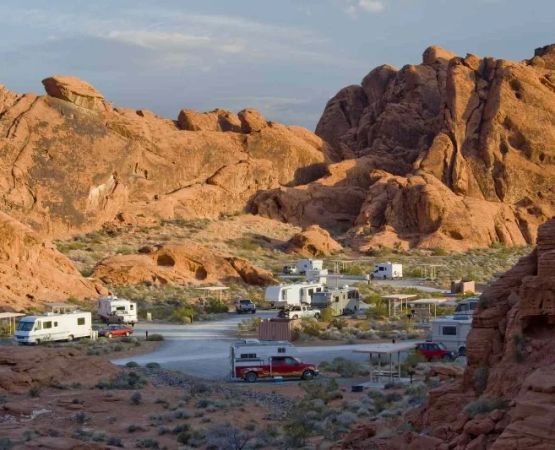
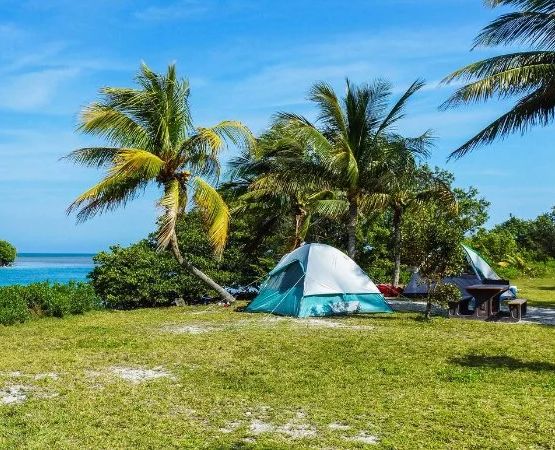
Choosing the right campsite is essential for both safety and comfort. Avoid setting up camp near cliffs, unstable terrain, or flood-prone areas. Pay attention to natural hazards like dead trees or rockfall areas. Select a flat, elevated spot with adequate drainage to prevent water accumulation during rain.
1.1 Environmental Awareness
Understanding your surroundings can prevent accidents. Look for signs of animal activity and ensure the site is not near insect nests or dangerous plants. Respect the natural environment to protect both yourself and wildlife.
1.2 Accessibility and Convenience
Make sure the site is accessible to emergency services if needed. Being close to a trailhead or marked path can help in case of unforeseen events.
2. Ignoring Weather Forecasts
Always check the weather before setting out. Camping during thunderstorms, high winds, or extreme temperatures can be hazardous. Avoid last-minute trips without forecasting, as severe conditions can quickly become life-threatening.
2.1 Preparing for Temperature Fluctuations
Bring appropriate clothing for both hot days and cold nights. Layering helps you adjust easily and prevents hypothermia or heatstroke.
2.2 Rain and Storm Preparedness
Pack waterproof tents and tarps, and be ready to secure items during heavy rain or strong winds. Understanding weather patterns in your camping area helps anticipate risks.
3. Improper Fire Management
Campfires are central to the camping experience but can be dangerous if mishandled. Never build fires outside designated areas or leave them unattended.
3.1 Fire Safety Practices
Keep water or a fire extinguisher nearby. Only burn appropriate materials and never use flammable liquids to start a fire. Extinguish fires completely before leaving the site or sleeping.
3.2 Environmental Considerations
Excessive fire damage can harm local flora and fauna. Follow Leave No Trace principles to minimize your impact on the environment.
4. Disregarding Wildlife Safety
Animals can be curious or defensive. Never feed wildlife or leave food unsecured. This encourages dangerous encounters and can harm animals.
4.1 Safe Distances
Observe wildlife from afar and respect their habitat. Sudden approaches can trigger aggressive behavior.
4.2 Bear and Predator Precautions
Use bear-proof containers and follow local guidelines for storing food and trash. Being cautious can prevent injuries and encounters with dangerous animals.
5. Overpacking or Underpacking
Carrying too much can be physically exhausting, while packing too little can leave you unprepared for emergencies. Balance your gear selection based on trip duration, weather, and activities.
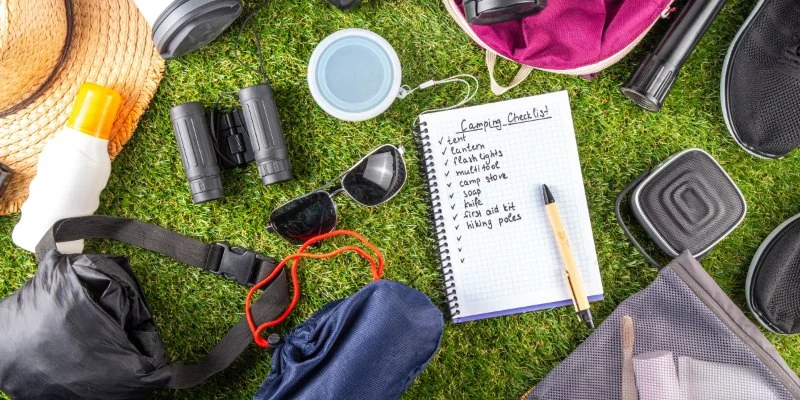
5.1 Essential Gear Checklist
Include a first aid kit, navigation tools, food and water supplies, and proper clothing. Overpacking unnecessary items can hinder mobility, but forgetting essentials risks safety.
5.2 Efficient Packing Tips
Use multi-purpose items and pack systematically. Keep frequently used items accessible and distribute weight evenly in your backpack.
6. Neglecting Personal Hygiene
Poor hygiene can lead to illness, skin infections, and discomfort. Maintain basic cleanliness by washing hands, using sanitizers, and keeping your sleeping area clean.
6.1 Camp Shower and Hygiene Solutions
Portable showers or wipes are practical options. Prevent contamination of water sources by following proper disposal guidelines.
6.2 Dental Care and Handwashing
Regular brushing and handwashing reduce the risk of bacterial infections, ensuring a healthier camping experience.
7. Venturing Alone in Unknown Terrain
Exploring without companions increases the risk of getting lost or injured. Always inform someone of your plans and expected return time.
7.1 Navigation Skills
Learn to read maps, use a compass or GPS device, and recognize landmarks. These skills are crucial for safety in remote areas.
7.2 Emergency Preparedness
Carry a whistle, flashlight, and extra batteries. These items can aid in rescue operations if you encounter problems while alone.
8. Not Following Water Safety Guidelines
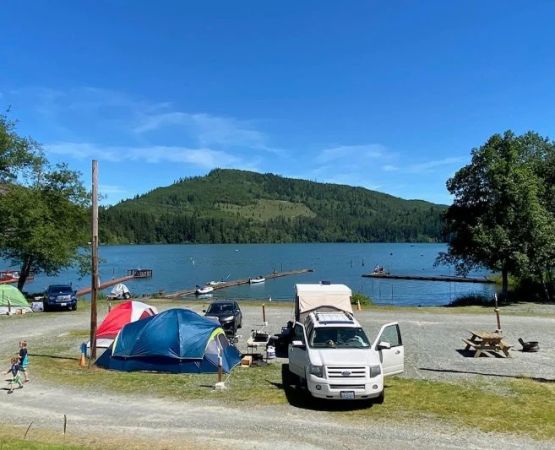
If your campsite is near lakes, rivers, or streams, improper handling of water activities can be dangerous. Avoid swimming alone, heed local water conditions, and use life jackets where necessary.
8.1 Drinking Water Precautions
Boil or filter water from natural sources to prevent gastrointestinal illnesses. Never assume water is safe without proper treatment.
8.2 Water Sports Safety
Kayaking, fishing, and boating require adherence to safety measures. Inform others before heading out and maintain control over your equipment.
9. Disrespecting Campground Rules
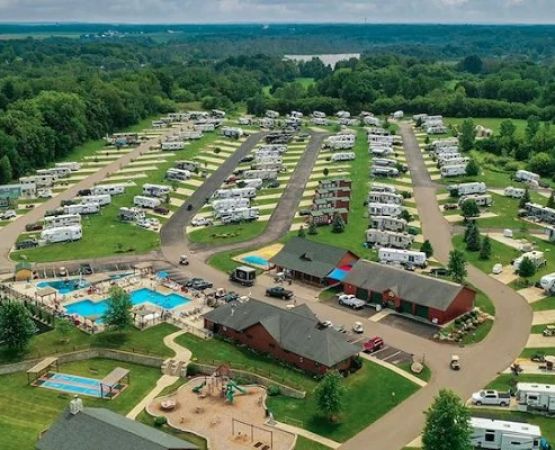
Each campsite has regulations designed to protect visitors and the environment. Ignoring rules can result in accidents or fines.
9.1 Quiet Hours and Fire Restrictions
Follow designated quiet hours to ensure a peaceful experience for everyone. Adhere to fire bans and restrictions to prevent wildfires.
9.2 Waste Disposal
Dispose of trash responsibly and recycle where possible. Respecting the environment ensures sustainable enjoyment for future campers.
10. Improper Food Storage
Leaving food exposed attracts animals and can lead to contamination. Use airtight containers and hang food from trees if necessary to keep wildlife away.
10.1 Refrigeration and Packing
Pack perishable items in coolers with ice packs. Organize food to prevent spoilage and avoid health hazards.
10.2 Handling Leftovers
Seal and store leftover food safely to prevent attracting wildlife overnight. Proper storage contributes to a safe and enjoyable camping experience.
By avoiding these common mistakes, campers can significantly improve safety, comfort, and enjoyment. For detailed advice on equipment, campground recommendations, and expert tips, visit Camping With Kayla, your trusted resource for safe and memorable camping adventures.