1. Why Thunderstorm Safety Is Crucial While Camping
Camping is a thrilling outdoor activity, but it can quickly turn dangerous if a thunderstorm rolls in unexpectedly. Understanding how to stay safe during a thunderstorm while camping is essential for your protection. In this article, we’ll discuss the risks of thunderstorms and provide practical tips to keep you safe during stormy conditions while camping.
1.1 The Risks of Thunderstorms While Camping
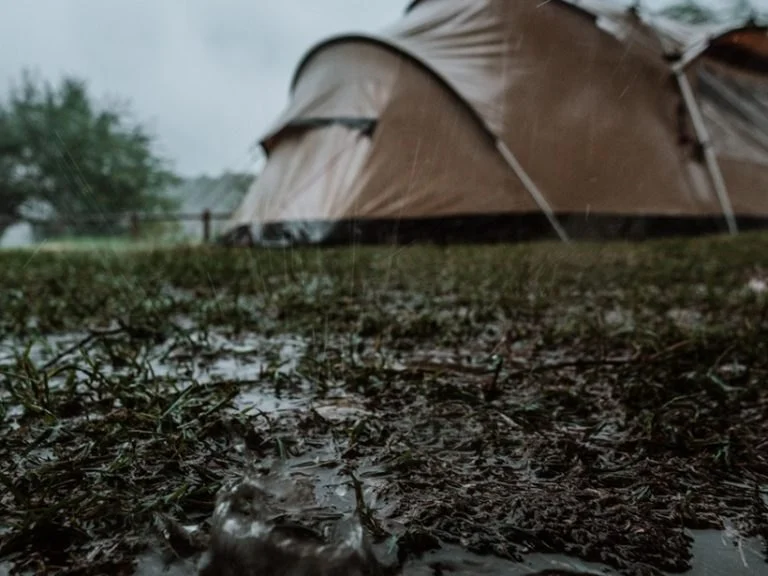
Thunderstorms present several risks when you're camping, including lightning strikes, heavy rainfall, strong winds, and flash floods. Lightning can cause serious injury or death, while the other elements can damage your gear or create dangerous conditions like flooding. Being prepared can help you mitigate these risks and stay safe until the storm passes.
2. Key Safety Tips to Follow During a Thunderstorm While Camping
When camping during a thunderstorm, it's important to have a clear plan of action. Follow these safety tips to protect yourself, your companions, and your equipment:
2.1 Seek Shelter Immediately
The first thing you should do when a thunderstorm strikes is to seek shelter. Avoid staying in your tent if it's not fully waterproof or if there’s a risk of flooding. The safest option is to find a sturdy structure such as a cabin, car, or other built shelter. If there’s no shelter available, your best bet is to find a low area like a ditch or ravine, but never lie flat on the ground as it increases your risk of lightning strike.
2.2 Stay Away from Water and Metal Objects
Water and metal conduct electricity, so during a thunderstorm, stay away from rivers, lakes, or streams. Don’t use metal items such as cooking utensils, hiking poles, or fishing rods. If you’re near a water source, move to higher ground as quickly as possible. Also, avoid touching trees, especially tall ones, as they can attract lightning.
2.3 Avoid Setting Up Camp in Dangerous Locations
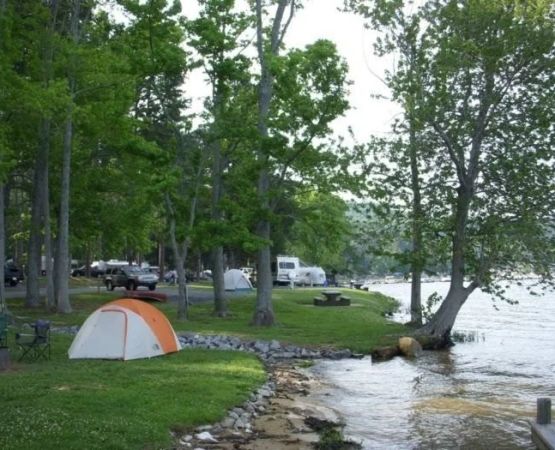
Before the storm hits, choose your campsite wisely. Avoid setting up camp near large trees, exposed ridges, or bodies of water. These areas are more prone to flooding and can increase your chances of getting struck by lightning. Aim for a flat, low area, and avoid placing your tent directly under a tree or rock overhang.
3. Gear and Preparation for Thunderstorms While Camping
Preparing your camping gear to handle a thunderstorm can make a significant difference in staying safe and dry during the storm. Consider the following tips when packing for your trip:
3.1 Waterproof Your Gear
Ensure that your tent is waterproof and can withstand heavy rain. Use a rain cover and make sure all zippers are properly sealed. It’s also wise to bring extra waterproof gear, such as rain jackets and tarps, to protect yourself and your supplies. A sturdy ground tarp under your tent will help keep the floor dry and insulated from the cold ground.
3.2 Pack an Emergency Kit
Having an emergency kit on hand is essential for any camping trip, but it becomes even more important during a storm. Pack essential items like a flashlight, extra batteries, a first aid kit, a multi-tool, and a whistle. Consider bringing a weather radio to stay informed about the storm’s progress, and don’t forget a portable power bank to charge your phone.
3.3 Know How to Properly Secure Your Tent
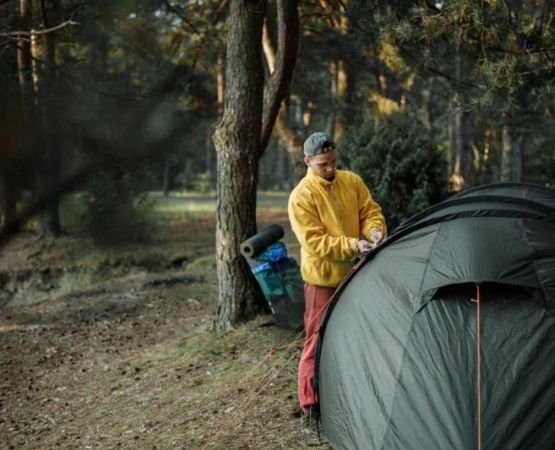
If you find yourself in the middle of a storm, securing your tent properly is crucial. Make sure that all stakes are firmly planted and that the guy lines are taut to prevent the tent from being blown away by strong winds. Use the tent’s rainfly for added protection against wind and rain.
4. Real-Life Case Study: Staying Safe During a Thunderstorm
In a recent camping trip to the Great Smoky Mountains, a group of campers was caught in a thunderstorm. They had set up camp near a creek, unaware of the risk of flash floods. When the storm hit, they were forced to evacuate quickly to higher ground. Luckily, they had packed waterproof gear and an emergency kit, which helped them stay dry and safe until the storm passed.
The group learned the hard way about the importance of choosing the right campsite and having proper preparation. Their experience serves as a valuable reminder of how unpredictable weather can be and the importance of being ready for storms while camping.
5. Additional Tips for Staying Safe During a Thunderstorm While Camping
Here are a few more tips to ensure you stay safe during a thunderstorm while camping:
5.1 Monitor Weather Forecasts
Before heading out on your camping trip, always check the weather forecast. Knowing if a storm is likely will help you plan your campsite and activities accordingly. Some weather apps even send alerts about upcoming storms, so you can stay informed while outdoors.
5.2 Stay Calm and Wait It Out
If you find yourself in a storm, stay calm and wait for it to pass. Lightning usually doesn’t last long, and it’s safer to stay sheltered until it’s safe to resume activities. Avoid the temptation to leave your shelter too early, even if the storm seems to be passing. Wait for at least 30 minutes after the last thunderclap before resuming your camping activities.
5.3 Always Have a Plan for Emergency Evacuation
Before setting up camp, ensure you have an evacuation plan in case the weather takes a turn for the worse. Know the nearest evacuation routes and have a clear path to your car or another safe shelter in case you need to leave quickly.
If you're looking for top-quality camping gear to keep you safe and comfortable during your next outdoor adventure, visit Camping With Kayla for the best camping essentials. From weather-resistant tents to emergency preparedness kits, we have everything you need to stay safe in any weather condition.