- Understanding-Bear-Behavior-and-Food-Attraction
- Choosing-the-Right-Food-Storage-Methods
- Setting-Up-a-Bear-Safe-Campsite
- Common-Mistakes-Campers-Make
- Real-World-Camping-Experience
- Planning-for-Long-Term-Bear-Country-Stays
1. Understanding Bear Behavior and Food Attraction
Learning how to store food safely in bear country is one of the most important skills for anyone camping or hiking in wilderness areas across the United States. From the Rocky Mountains and Yellowstone to parts of California and the Appalachian region, bears are highly intelligent animals with a powerful sense of smell that can detect food from miles away.
1.1 Why Bears Are Attracted to Campsites
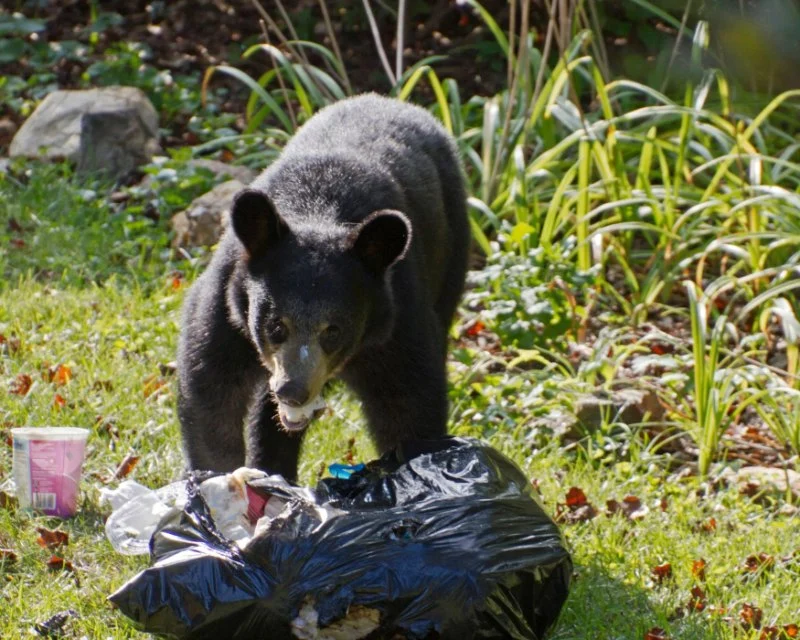
Bears are opportunistic feeders. Once they associate campsites with easy meals, they often return repeatedly. Even small items such as toothpaste, protein bar wrappers, cooking oil, or scented wipes can attract wildlife.
1.1.1 The Power of a Bear’s Nose
Biologists often explain that bears can detect scents many times better than humans or dogs. A sealed cooler or plastic grocery bag does little to contain food odors. Campers sometimes assume that food stored inside a tent is safe, but tents provide no barrier against scent detection.
1.1.2 Why Proper Storage Protects Both People and Wildlife
When bears become accustomed to human food, they may lose their natural fear of people. This often leads to dangerous encounters and sometimes results in wildlife officials removing or relocating the animal. Safe storage practices protect both campers and bears.
2. Choosing the Right Food Storage Methods
Different environments require different approaches. Understanding the available storage methods helps campers choose the safest option.
2.1 Bear-Resistant Containers
2.1.1 Hard-Sided Bear Canisters
Bear-resistant containers are widely recommended in national parks and wilderness areas. These rigid containers prevent bears from crushing or opening stored food.
Modern bear canisters are lightweight and designed for backpackers. They also work well for storing trash and scented products, which is just as important as storing meals.
2.1.2 Why Rangers Recommend Them
Park rangers often prefer bear canisters because they remove guesswork. Properly closed containers eliminate many common mistakes campers make when hanging food or using improvised solutions.
2.2 Hanging Food Properly
2.2.1 The Classic Bear Hang Technique
Hanging food from a tree remains a traditional solution in areas without strict canister requirements. The bag should be suspended at least 12 feet above the ground and 6 feet away from the trunk.
This method requires patience and practice. Many campers underestimate how difficult it can be to find the right tree or throw a rope high enough.
2.2.2 When Hanging Food Works Best
Food hanging works well in forested areas with tall branches. However, in alpine zones or desert environments where trees are scarce, other storage methods are safer.
2.3 Using Bear Lockers at Campgrounds
2.3.1 Shared Storage Systems
Many developed campgrounds provide metal bear lockers. These heavy-duty boxes are extremely effective and easy to use.
All scented items should be stored inside lockers, including:
1. Food and snacks
2. Cooking gear
3. Garbage
4. Toiletries
2.3.2 Keeping Lockers Organized
Organizing items inside lockers makes it easier to access supplies without leaving containers open longer than necessary.
3. Setting Up a Bear-Safe Campsite
Safe food storage is only part of camping responsibly in bear territory. A well-organized campsite greatly reduces risk.
3.1 The Triangle Layout
3.1.1 Sleeping Area
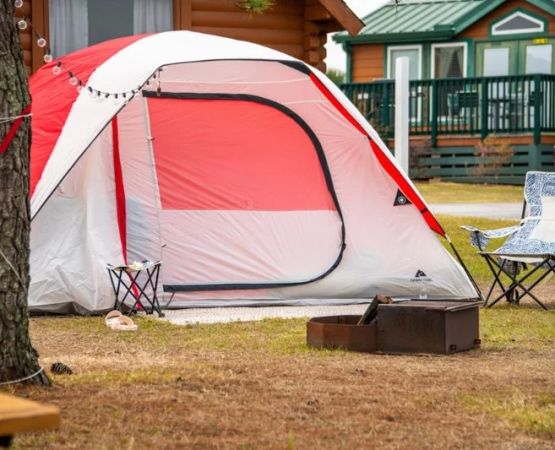
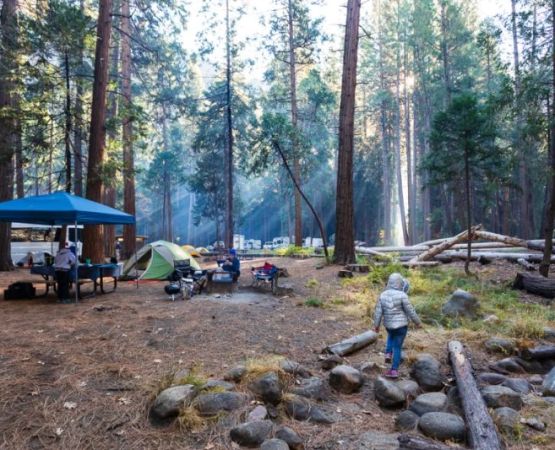
Your tent should be located away from cooking and storage areas. Avoid bringing food into sleeping spaces.
3.1.2 Cooking Area
Cooking should occur downwind whenever possible. Strong smells from grilling or frying can travel surprisingly far.
3.1.3 Storage Area
Food storage should be located at least 100 feet from your sleeping area. This distance helps prevent animals from investigating tents.
3.2 Cleaning Practices That Reduce Risk
3.2.1 Dishwashing and Waste Disposal
Leftover food scraps are a common source of scent. Dispose of dishwater in designated areas or far away from camp.
3.2.2 Clothing and Scent Control
Clothing worn during cooking can retain odors. Storing these items with food containers instead of inside your tent can reduce risk.
Experienced campers often share detailed gear and preparation advice through Camping With Kayla, where practical outdoor guidance helps beginners build safer habits before heading into bear territory.
4. Common Mistakes Campers Make
Even experienced hikers sometimes overlook small details that increase risk.
4.1 Leaving Food in Vehicles
4.1.1 Why Cars Are Not Safe
In some regions, bears have learned how to break into vehicles. A cooler left in the back seat or trunk can still attract wildlife.
4.1.2 Overnight Storage Risks
Campers often assume one night is safe. However, many bear incidents happen during short stays.
4.2 Ignoring Small Scent Sources
4.2.1 Toiletries and Trash
Items like sunscreen, lip balm, and gum often contain scents that attract animals.
4.2.2 Packaging and Wrappers
Even empty wrappers can produce strong odors. Always store trash with food supplies.
5. Real-World Camping Experience
A group of hikers camping in the Sierra Nevada shared a story that illustrates the importance of proper storage. After leaving snacks inside a backpack overnight, they woke to find the bag torn open several yards from their tent. Fortunately no one was injured, but the experience changed how they approached food storage.
5.1 Lessons Learned
5.1.1 Preparation Matters
They later switched to bear-resistant containers and never experienced another incident.
5.1.2 Consistency Is Key
Even experienced campers can become careless after multiple trips without problems. Consistency keeps trips safe.
6. Planning for Long-Term Bear Country Stays
Extended trips require additional planning and discipline.
6.1 Managing Food Supplies Over Several Days
6.1.1 Portioning Meals
Separating meals into sealed portions reduces the number of times storage containers must be opened.
6.1.2 Odor Reduction Techniques
Double-bagging strong-smelling foods and using odor-resistant sacks can help reduce scent spread.
6.2 Building Safe Outdoor Habits
6.2.1 Teaching New Campers
Families and group leaders should teach proper storage techniques early so safety becomes routine.
6.2.2 Staying Aware of Local Regulations
Different parks have different rules. Some require approved bear containers while others rely on lockers or hanging systems.
Understanding how to store food safely in bear country helps ensure outdoor trips remain safe and enjoyable. With careful planning, the right equipment, and consistent habits, campers can explore wild places while minimizing risk to themselves and the animals that live there.