The Ultimate Guide to National Parks for First-Time Campers
Camping in a national park is one of the most rewarding experiences a first-time camper can have. Whether you’re looking for stunning landscapes, peaceful lakes, or hiking trails, the U.S. national parks offer a variety of options to suit any adventurer. This guide highlights some of the best national parks for first-time campers, including tips on how to make your experience unforgettable and stress-free.
- 1. Why National Parks Are Perfect for First-Time Campers
- 2. Top National Parks to Consider for Your First Camping Trip
- 3. Essential Camping Tips for Beginners
- 4. How to Prepare for Your First Camping Trip
1. Why National Parks Are Perfect for First-Time Campers
National parks are designed to give visitors an immersive outdoor experience with accessible trails, scenic views, and a range of camping options. For first-time campers, national parks offer a few distinct advantages:
- Scenic Beauty: National parks are home to some of the most stunning natural landscapes in the world, from towering mountains to deep canyons and lush forests.
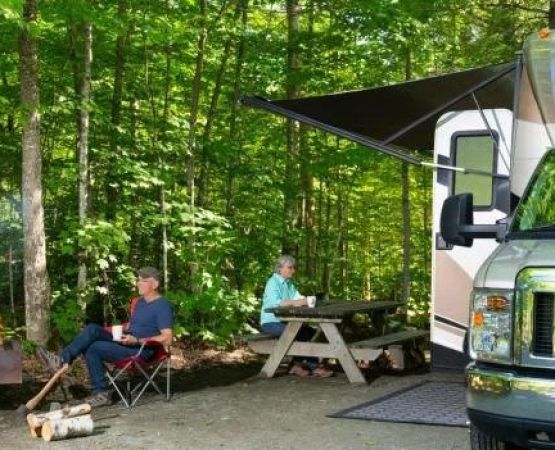
- Established Facilities: Most national parks have well-maintained campgrounds with amenities like restrooms, picnic tables, and even electrical hookups, making them more comfortable for beginners.
- Safety and Support: Parks often have rangers and staff on hand to assist with any issues and provide advice on hiking, camping, and wildlife safety.
2. Top National Parks to Consider for Your First Camping Trip
There are dozens of incredible national parks across the U.S., but some are particularly suited to first-time campers. Here are a few to consider:
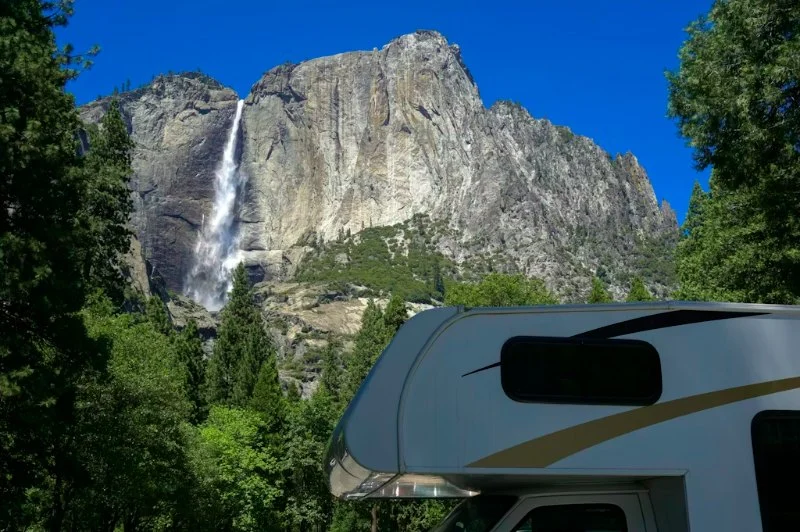
- Yosemite National Park (California): Known for its breathtaking granite cliffs, waterfalls, and giant sequoias, Yosemite is an ideal park for beginners. The campgrounds are well-equipped, and there are plenty of easy-to-moderate hikes to explore.
- Acadia National Park (Maine): If you're looking for coastal views, Acadia offers a mix of ocean vistas and mountain scenery. The park has a variety of campgrounds, and its relatively mild weather makes it a great choice for early season camping.
- Grand Canyon National Park (Arizona): The Grand Canyon is famous for its dramatic landscapes. The park offers several campsites, and there are both easy and more challenging trails for all skill levels.
- Great Smoky Mountains National Park (Tennessee/North Carolina): This park offers a fantastic range of wildlife and beautiful mountain scenery. It's ideal for first-time campers who want to experience both easy and moderate hiking, as well as camping in a peaceful setting.
- Zion National Park (Utah): With its stunning red rock formations and dramatic cliffs, Zion is a favorite among outdoor enthusiasts. The park’s campgrounds are well-equipped, and there are plenty of hiking opportunities for beginners.
3. Essential Camping Tips for Beginners
Before you head out, it’s important to be prepared. Here are a few tips for making your first camping experience in a national park smooth and enjoyable:
- Start with a Short Trip: For your first time, choose a park that's close to home and opt for a weekend trip. This gives you a chance to get used to the gear and environment without feeling overwhelmed.
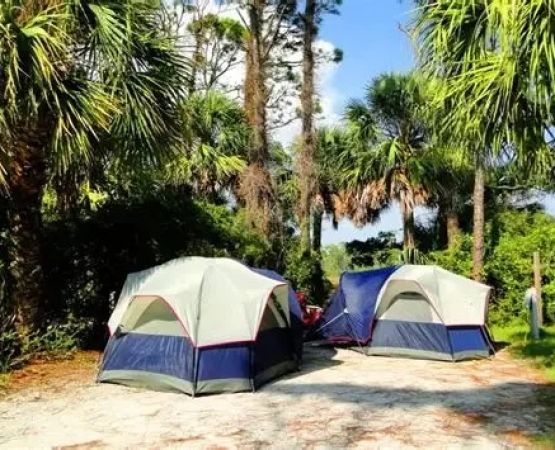
- Know Your Gear: Make sure you have the right gear for the conditions of the park. A reliable tent, sleeping bag, and cooking equipment are essential. Don’t forget to bring a map or GPS for navigation.
- Pack Light: While it’s tempting to bring everything you might need, packing light will make your trip more enjoyable. Stick to the essentials, including food, water, and appropriate clothing for the weather.
- Respect Nature: Leave no trace of your camping experience. Follow park guidelines and pack out all trash to help preserve the beauty of the parks for future visitors.
4. How to Prepare for Your First Camping Trip
Proper preparation is key to having a successful camping experience. Here's how to ensure you’re ready for your trip:
- Research the Park: Learn about the park’s layout, rules, and regulations. Know where the campgrounds are located and what amenities they offer.
- Check the Weather: Make sure to check the weather forecast so you can pack accordingly. National parks can have rapidly changing weather conditions, so being prepared is essential.
- Book Your Campsite Early: National parks can fill up quickly, especially during peak seasons. Make reservations ahead of time to secure a spot in the campground.
Camping with Kayla offers a range of products and expert advice to make your first-time camping experience as enjoyable as possible. Check out our recommendations for gear, guides, and campgrounds that are perfect for beginners. Happy camping!