1- Preparing for Your First Camping Trip
Embarking on your first camping adventure can be exciting yet overwhelming. Preparation is key to ensuring you have an enjoyable experience. Start by researching the area where you plan to camp, checking the weather forecast, and understanding the local wildlife. This can help you decide what camping gear you'll need and what safety precautions to take. Make sure to pack lightweight, durable items that will support your needs throughout the trip.
2- Essential Camping Gear for Beginners
When it comes to camping, having the right gear is crucial. Here's a quick list of essential items:
- Tent - Choose one suitable for your group size and the weather conditions.
- Sleeping bag - Ensure it suits the temperature range you’ll be camping in.
- Cooking tools - A compact stove or portable grill will help you prepare meals.
- First-aid kit - A well-stocked first-aid kit can prevent small injuries from ruining your trip.
These items will make your outdoor adventure more comfortable and safe. Visit Camping With Kayla to explore the best products tailored to your camping needs.
3- How to Choose the Right Campsite
Choosing the right campsite is essential for both comfort and safety. Here are some tips to help you:
- Pick a flat area for pitching your tent to avoid discomfort while sleeping.
- Ensure you are not too close to water sources, as this can attract wildlife.
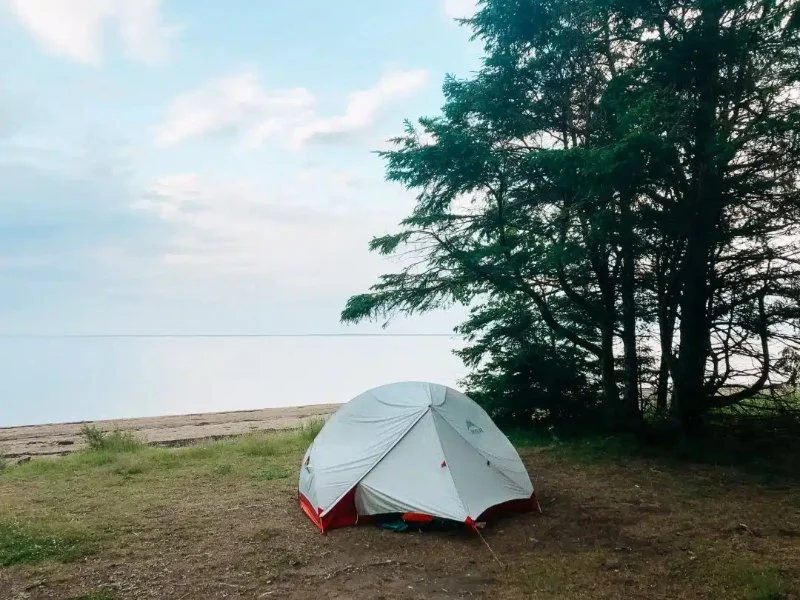
- Look for a site that offers natural protection from wind and rain, like trees or large rocks.
Choosing a great campsite can make a big difference in your camping experience. Don't forget to check local regulations to ensure you're in a designated camping area.
4- Understanding Outdoor Survival Skills
Being familiar with outdoor survival skills is an essential part of camping. Some key skills include:
- How to start a fire in various weather conditions.
- How to navigate using a map and compass.
- Basic shelter-building techniques.
These skills will not only keep you safe but also increase your confidence when you're out in the wilderness. Many outdoor survival guides and courses are available to help you learn these techniques.
5- What to Do in Case of an Emergency
Emergencies can happen unexpectedly, so it’s essential to know what to do in various situations. Here are some general tips:
- If you get lost, stay calm and try to retrace your steps or find a landmark.
- Always have an emergency contact person who knows your plans and expected return time.
- Keep a whistle and a flashlight on hand for signaling.
Preparation and knowledge are key in handling emergencies. If you're unsure about safety practices, consider taking a basic wilderness first-aid course.
6- The Importance of Food and Hydration While Camping
Maintaining proper nutrition and hydration is crucial for staying healthy and energized while camping. When packing food, aim for lightweight, non-perishable items like dehydrated meals, energy bars, and trail mix. It's important to carry enough water and a filtration system if you plan to source water from nearby streams or lakes. Also, remember to practice Leave No Trace principles by cleaning up your campsite and disposing of trash properly.
7- Understanding the Leave No Trace Principle
Leave No Trace is a set of principles aimed at minimizing your environmental impact. Here’s how you can practice it:
- Pack out all of your trash, including food scraps.
- Stay on established trails to prevent soil erosion.
- Leave natural objects like rocks, plants, and wildlife undisturbed.
By following these guidelines, you'll help preserve the environment for future campers.
8- How to Deal with Wildlife While Camping
Encountering wildlife is part of the camping experience, but it’s important to stay safe. Keep food stored in bear-proof containers or hung in a tree to avoid attracting animals. Always observe wildlife from a distance and avoid feeding them. If you’re camping in bear country, take extra precautions, such as carrying bear spray and learning about the behavior of local wildlife.
9- Managing the Weather While Camping
Weather can be unpredictable, so it’s important to be prepared for all conditions. Here are some tips:
- Check the forecast regularly before and during your trip.
- Bring rain gear, such as a waterproof jacket and tarps.
- Wear layers to adjust to changing temperatures throughout the day.
Being prepared for all weather conditions will ensure you stay comfortable and safe throughout your adventure.
10- Conclusion
Camping for the first time can be a transformative and unforgettable experience. By following these essential tips, you'll set yourself up for a successful outdoor adventure. From choosing the right campsite to understanding survival skills, every aspect plays a role in your enjoyment and safety. Visit Camping With Kayla for more expert advice and the best camping products to suit your needs.