- Getting Started With Backpack Camping - Basics - Mindset - Preparation
- Choosing Your First Backpacking Destination - Trails - Parks - Accessibility
- Essential Backpack Camping Gear - Shelter - Cooking - Safety
- Packing And Weight Management - Comfort - Efficiency - Planning
- Safety And Trail Etiquette - Wildlife - Navigation - Responsibility
- Building Confidence As A Beginner - Skills - Experience - Camping With Kayla
Getting Started With Backpack Camping
The Beginner’s Guide to Backpack Camping in the US starts with understanding what makes backpack camping different from traditional campground stays. Backpack camping involves carrying everything you need into the wilderness, often several miles from the nearest road or facility.
1. Understanding The Backpacking Mindset
Backpack camping is less about convenience and more about self-reliance. Beginners often discover that the experience is as much mental as physical. Preparing carefully and staying flexible can make the difference between a stressful trip and a memorable adventure.
First-Time Experiences
Many new backpackers report feeling nervous before their first overnight trip. One beginner in Oregon shared that after hiking just three miles into a national forest and setting up camp beside a quiet stream, the initial anxiety turned into excitement and confidence.
2. Physical Preparation
Backpack camping requires moderate physical effort. Carrying a loaded backpack over uneven terrain can be challenging for newcomers.
Training Tips
Short day hikes with a partially loaded pack help build endurance before longer trips.
3. Planning Ahead
Preparation reduces risks and increases enjoyment.
Important Planning Steps
1. Check weather conditions
Weather changes quickly in many U.S. wilderness areas.
2. Review trail information
Trail maps and elevation profiles help estimate difficulty.
3. Understand regulations
Some parks require permits for overnight trips.
Choosing Your First Backpacking Destination
Choosing the right location is essential for beginners learning backpack camping in the United States. Starting with accessible trails improves safety and confidence.
1. Beginner-Friendly Trails
Good beginner routes typically include moderate distances and reliable water sources.
Ideal Trail Features
1. Short distances
Trips between 2 and 5 miles allow beginners to test their abilities.
2. Well-marked paths
Clearly marked trails reduce navigation stress.
3. Established campsites
Designated sites make camping easier.
2. Popular Starter Locations
Many U.S. national and state parks offer excellent beginner routes.
Accessible Wilderness Areas
Locations such as the Great Smoky Mountains, Yosemite backcountry areas near trailheads, and Colorado state parks provide manageable terrain and scenic rewards.
3. Seasonal Considerations
Different regions have varying backpacking seasons.
Weather Awareness
Spring and early fall often provide the most comfortable conditions in many parts of the country.
Essential Backpack Camping Gear
Understanding gear is a key part of the Beginner’s Guide to Backpack Camping in the US. The right equipment improves safety and comfort without adding unnecessary weight.
1. Shelter And Sleeping Equipment
Reliable shelter protects against changing weather conditions.
Core Shelter Items
1. Lightweight tent
Compact tents are easier to carry long distances.
2. Sleeping bag
Choose a temperature rating appropriate for your destination.
3. Sleeping pad
Pads provide insulation and comfort.
2. Cooking Equipment
Backpacking meals require simple but efficient cooking systems.
Basic Cooking Setup
1. Compact stove
Portable stoves allow quick meal preparation.
2. Lightweight cookware
Small pots reduce pack weight.
3. Freeze-dried meals
These meals provide convenient nutrition.
3. Safety Essentials
Safety gear is critical even on short trips.
Recommended Safety Items
1. First aid kit
Minor injuries are common on the trail.
2. Navigation tools
Maps and compasses provide backup navigation.
3. Headlamp
Reliable lighting is essential after sunset.
Packing And Weight Management
One of the biggest challenges beginners face is packing efficiently. Overpacking can turn an enjoyable hike into a difficult experience.
1. Finding The Right Pack Weight
Most experts recommend that a loaded backpack weigh no more than 20 to 25 percent of body weight for beginners.
Comfort Considerations
Reducing weight improves balance and reduces fatigue on uneven trails.
2. Organizing Gear Efficiently
Smart organization makes items easier to access.
Packing Strategy
1. Heavy items close to your back
This improves stability.
2. Frequently used items on top
Snacks and rain gear should be easy to reach.
3. Soft items near the bottom
Sleeping bags help cushion the pack.
3. Avoiding Common Mistakes
Many beginners bring unnecessary equipment.
Typical Overpacking Examples
Extra clothing, oversized cooking equipment, and excessive food often add unnecessary weight.
Safety And Trail Etiquette
Safety knowledge is essential for anyone learning backpack camping in the United States.
1. Wildlife Awareness
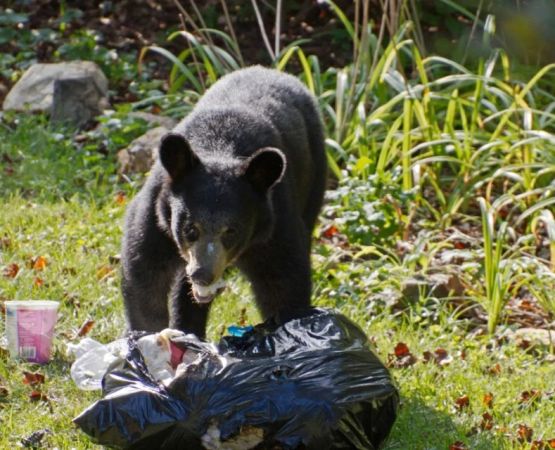
Different regions contain different wildlife risks.
Food Storage Methods
Bear-resistant containers and proper food storage techniques help prevent animal encounters.
2. Navigation Skills
Technology is helpful but should not replace traditional navigation skills.
Backup Planning
Carrying a physical map ensures you can navigate even if electronic devices fail.
3. Leave No Trace Principles
Responsible camping protects natural environments.
Core Principles
1. Pack out trash
All waste should leave with you.
2. Respect wildlife
Observe animals from a distance.
3. Stay on trails
This prevents erosion and protects vegetation.
Building Confidence As A Beginner
Backpack camping skills improve quickly with experience. Each trip teaches new lessons about gear, planning, and personal comfort levels.
1. Starting Small
Short overnight trips allow beginners to gain experience without taking unnecessary risks.
Gradual Progress
Many experienced backpackers began with single-night trips before attempting multi-day adventures.
2. Learning From Experience
Keeping notes after trips helps identify what worked well and what needs improvement.
Tracking Improvements
Recording pack weight, trail difficulty, and gear performance makes future trips easier to plan.
3. Finding Reliable Advice
Beginners often benefit from learning from experienced campers.
Trusted Resources
Many outdoor enthusiasts explore gear suggestions and trip ideas through Camping With Kayla, where beginners can discover practical recommendations and reliable equipment suited for their first backpack camping experiences.
With proper preparation and realistic expectations, backpack camping becomes one of the most rewarding ways to explore America's natural landscapes.