- #Why Side Sleepers Need Special Pads - pressure points and comfort explained
- #Key Features to Look For - thickness, insulation, and materials
- #Top Sleeping Pad Types - foam vs inflatable vs hybrid
- #Real Camping Experience - lessons from side sleepers outdoors
- #Tips for Better Sleep While Camping - maximizing comfort at night
1. Why Side Sleepers Need Special Pads: Pressure Points and Comfort Explained
If you’ve ever gone camping and woken up with sore hips or shoulders, you’re not alone—especially if you’re a side sleeper. Sleeping on your side naturally creates pressure points where your body presses into the ground. Without proper cushioning, even the most scenic campsite can turn into a restless night.
1.1. The Science Behind Pressure Points
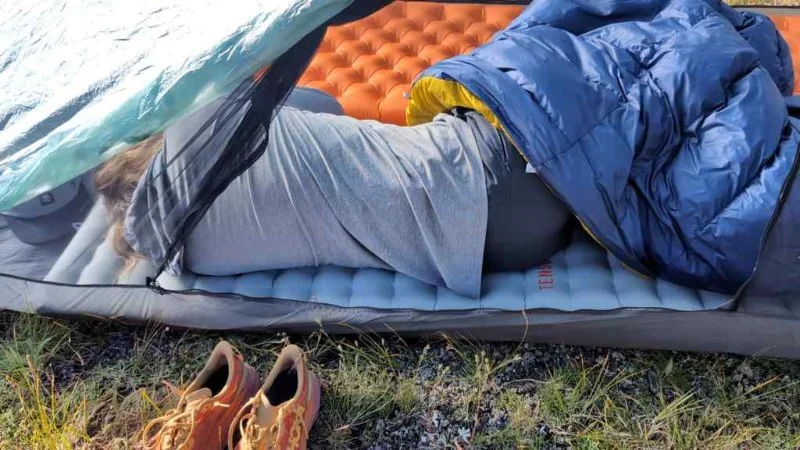
When you lie on your side, your weight concentrates on smaller areas like your hips and shoulders. A thin or poorly designed sleeping pad fails to distribute this pressure, leading to discomfort and interrupted sleep. This is why choosing the best sleeping pads for side sleepers while camping is essential for recovery and overall enjoyment.
1.2. Why Regular Pads Don’t Work as Well
Standard sleeping pads are often designed for back sleepers, focusing on even support rather than targeted cushioning. Side sleepers need extra thickness and flexibility to prevent bottoming out against hard ground.
2. Key Features to Look For: Thickness, Insulation, and Materials
Not all sleeping pads are created equal. Understanding what makes a pad suitable for side sleepers can help you make a smarter investment.
2.1. Thickness and Cushioning
Thickness is one of the most important factors. A pad that is at least 3 inches thick provides enough cushioning to protect pressure points. Thicker pads allow your hips and shoulders to sink slightly without touching the ground.
2.2. R-Value and Insulation
The R-value measures how well a sleeping pad insulates you from the cold ground. For most U.S. camping conditions, an R-value between 2 and 4 works well in warmer months, while colder environments require higher insulation. Staying warm is just as important as staying comfortable.
2.3. Material and Surface Design
Look for pads with soft, non-slip surfaces that prevent you from sliding around at night. Durable materials also ensure the pad can handle rough terrain without puncturing easily.
3. Top Sleeping Pad Types: Foam vs Inflatable vs Hybrid
Choosing the right type of sleeping pad depends on your camping style and comfort preferences. Each type offers unique advantages for side sleepers.
3.1. Inflatable Sleeping Pads
Inflatable pads are a favorite among side sleepers because they offer adjustable firmness and superior cushioning. You can control how much air you add, allowing you to customize support for your body.
3.2. Foam Sleeping Pads
Foam pads are durable and simple but often lack the thickness needed for side sleepers. They work best as a base layer combined with another pad for added comfort.
3.3. Hybrid Options for Balanced Comfort
Hybrid pads combine foam and air technology, offering both durability and cushioning. These are ideal for campers who want reliability without sacrificing comfort.
4. Real Camping Experience: Lessons from Side Sleepers Outdoors
A camper from Colorado shared their experience of switching from a basic foam pad to a thicker inflatable one during a multi-day hiking trip. The difference was immediate—no more waking up throughout the night, and significantly less soreness in the morning.
4.1. Comfort Impacts Energy Levels
Good sleep directly affects your energy and mood during camping trips. When your body is properly supported, you wake up ready for hiking, exploring, or simply enjoying nature.
4.2. Investing in Quality Pays Off
While premium sleeping pads may cost more upfront, they often last longer and provide a far better experience. Many experienced campers consider this one of the most important gear upgrades.
5. Tips for Better Sleep While Camping: Maximizing Comfort at Night
Even with the best sleeping pads for side sleepers while camping, a few extra habits can make a big difference in sleep quality.
5.1. Choose the Right Campsite Surface
Look for flat, soft ground free of rocks and roots. Even the best pad performs better when placed on a stable surface.
5.2. Adjust Firmness Before Sleeping
If you're using an inflatable pad, take time to fine-tune the air level. Slightly softer pads often work better for side sleepers, allowing better pressure relief.
5.3. Pair with a Supportive Pillow
A good camping pillow keeps your spine aligned and reduces neck strain. This complements the support provided by your sleeping pad.
Finding the best sleeping pads for side sleepers while camping can completely transform your outdoor experience. Better sleep means more energy, better moods, and a deeper appreciation of your surroundings. If you're ready to upgrade your camping comfort, exploring gear recommendations and expert insights from Camping With Kayla can help you choose the perfect setup for your next adventure.