- -Understanding-Death-Valley-Camping
- -Essential-Safety-Gear-for-Desert-Camping
- -Hydration-and-Food-Planning
- -Navigating-the-Extreme-Climate
- -Real-Life-Stories-and-Survival-Tips
1. Understanding Death Valley Camping
Death Valley, one of the hottest places on Earth, offers a unique and adventurous camping experience for those willing to face its extreme conditions. While the park is a beautiful destination, it requires careful preparation to ensure safety and enjoyment. Here’s what you need to know before setting out.
1.1 The Landscape of Death Valley
Death Valley National Park stretches across California and Nevada, encompassing dramatic landscapes like salt flats, dunes, canyons, and rocky peaks. Its terrain, while stunning, can be unforgiving, with temperatures soaring above 120°F (49°C) during summer months. Understanding the geography and conditions of the area will help you plan better for your camping trip.
1.2 Popular Camping Areas
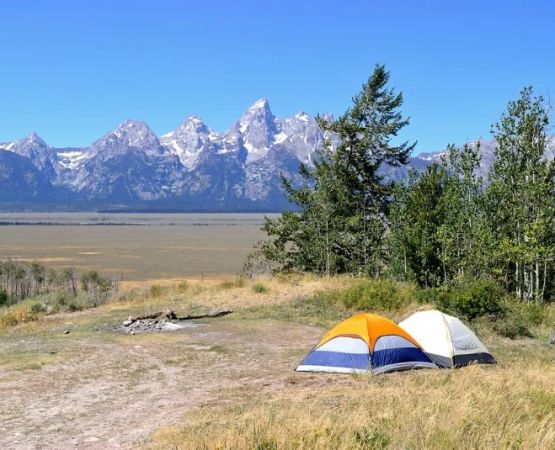
Some of the best camping spots in Death Valley include Furnace Creek, Mesquite Spring, and Stovepipe Wells. Each site offers a different experience, from more developed areas with amenities to remote spots for those seeking solitude and adventure.
2. Essential Safety Gear for Desert Camping
Proper gear is crucial when camping in Death Valley, where the desert climate can present serious risks. The right equipment can make the difference between a successful camping trip and an emergency situation.
2.1 Sun Protection
1. Wide-brimmed hat to shield from the sun.
2. High SPF sunscreen, especially for exposed skin.
3. UV-protective clothing and sunglasses to reduce eye strain.
2.2 Shelter and Sleeping Gear
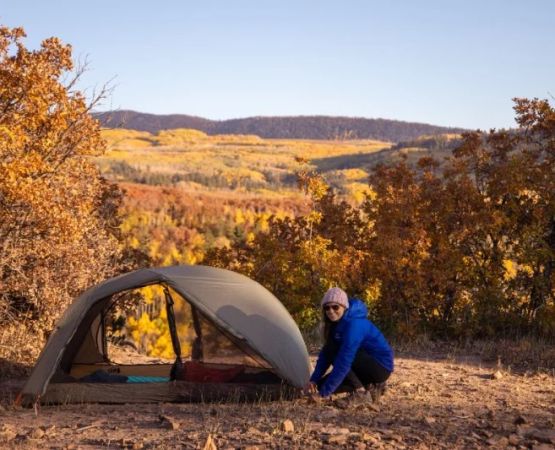
1. Tent with ventilation to keep cool during the night.
2. Sleeping bag rated for hot desert nights.
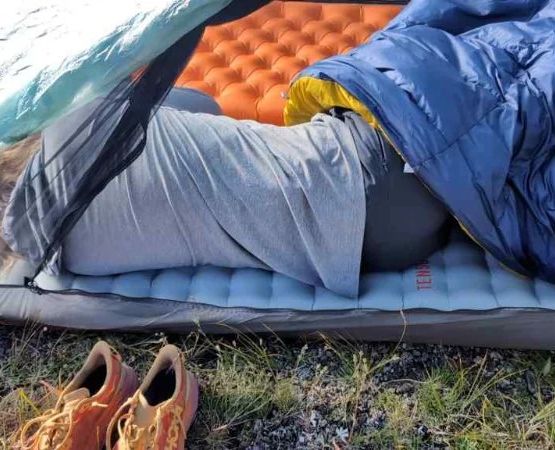
3. Lightweight, breathable sleeping pads to avoid overheating.
2.3 Navigation and Communication Tools
1. GPS devices and maps for off-the-beaten-path camping.
2. Satellite phone or emergency beacon for safety communication, especially if you plan to camp in remote areas.
3. Hydration and Food Planning
One of the biggest dangers when camping in Death Valley is dehydration. The dry desert air can quickly sap moisture from your body, and heat-related illnesses can develop faster than expected.
3.1 Staying Hydrated
1. Drink at least one gallon (3.8 liters) of water per person per day.
2. Use electrolyte tablets to help replenish lost salts.
3. Always carry extra water, as you may encounter water shortages in remote areas.
3.2 Food Planning for the Heat
1. Pack high-energy foods like nuts, granola bars, and dried fruit, which are easy to store and don’t require refrigeration.
2. Avoid perishable foods that could spoil quickly in the heat.
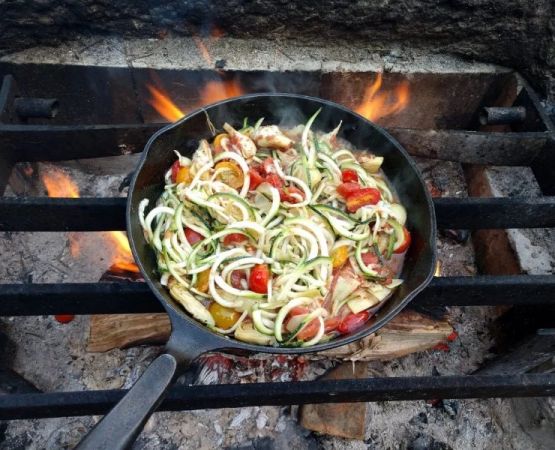
3. Bring a portable stove or cooking equipment, especially if you’re camping in areas without nearby restaurants or stores.
4. Navigating the Extreme Climate
The extreme heat in Death Valley, particularly during the summer months, can be life-threatening if you’re not prepared. The best time to camp is in the cooler months, but if you decide to visit during the peak heat, taking extra precautions is vital.
4.1 Temperature Extremes
1. Avoid outdoor activities during the hottest parts of the day (10 AM to 4 PM). Instead, plan hikes or explorations during early mornings or evenings.
2. Wear loose-fitting, light-colored clothing to reflect heat and improve ventilation.
4.2 Nighttime Temperature Drops
While daytime temperatures can be sweltering, desert nights can be surprisingly cold. Prepare for temperature swings by bringing layers, including long sleeves and jackets for warmth once the sun sets.
5. Real-Life Stories and Survival Tips
Real-life stories of desert survival can offer valuable lessons and insights for your own Death Valley adventure. Here’s a look at how other campers have successfully navigated this extreme environment.
5.1 A Personal Survival Story
One hiker, lost in the desert for nearly 24 hours, found shelter and shade under a small rock outcrop after running low on water. Thankfully, they had a satellite phone to call for help. This story emphasizes the importance of always having communication tools and never venturing too far from established routes.
5.2 Expert Tips for Surviving the Desert
1. Always tell someone your itinerary and expected return time.
2. Carry extra batteries for devices like GPS and radios.
3. Keep a first aid kit with essentials for treating burns, dehydration, and heat exhaustion.
5.3 Learning from the Experts
Experienced campers recommend following established paths and camping in areas with known water sources to reduce the risks of dehydration and getting lost. Planning ahead with thorough research is one of the best ways to ensure safety in Death Valley’s challenging environment.