- Introduction to Yellowstone Camping
- Choosing the Best Campsite
- Essential Camping Gear for Yellowstone
- Wildlife Safety and Precautions
- Activities and Sights in Yellowstone
- Preparing for the Unpredictable Weather
Introduction to Yellowstone Camping
Camping in Yellowstone National Park is an unforgettable experience. With its geysers, wildlife, and natural beauty, Yellowstone offers one of the best camping destinations in the United States. However, before you pack your tent and head out, there are a few things you need to know to make the most of your adventure. Whether you're a seasoned camper or a first-timer, being well-prepared will ensure that your trip is safe, comfortable, and full of lasting memories.
1. Why Choose Yellowstone for Camping?
Yellowstone is a unique national park that spans across three states: Wyoming, Montana, and Idaho. It's home to geothermal wonders like Old Faithful, as well as diverse ecosystems that range from dense forests to vast meadows. The park is also known for its abundant wildlife, including bison, elk, wolves, and bears, making it an exciting place to explore nature.
2. When to Camp in Yellowstone
The best time to camp in Yellowstone is from late spring to early fall (May to September). This period offers milder temperatures and better accessibility to most campsites. However, keep in mind that summer months are the busiest, so make sure to plan and reserve campsites well in advance.
Choosing the Best Campsite
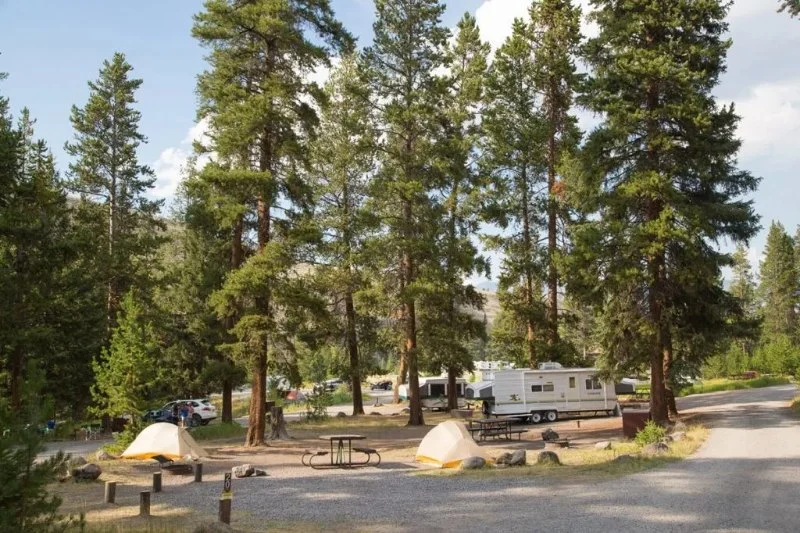
Yellowstone National Park offers a variety of campsites, from rustic backcountry sites to more developed campgrounds with amenities. Choosing the right campsite depends on your preferences for comfort, location, and the type of experience you want.
1. Popular Campgrounds in Yellowstone
There are 12 campgrounds within Yellowstone, and each offers a different experience:
- Madison Campground: Close to the west entrance, ideal for easy access to both geysers and wildlife watching.
- Grant Village Campground: Located near Yellowstone Lake, perfect for those who enjoy fishing and stunning water views.
- Slough Creek Campground: Great for those seeking a more remote experience, located in the northeastern corner of the park.
2. Reserving a Campsite
Many of Yellowstone’s popular campgrounds require reservations, especially during the peak summer months. You can book campsites through the National Park Service website or recreation.gov. It's highly recommended to book well in advance to secure a spot.
Essential Camping Gear for Yellowstone
Yellowstone’s diverse environment means that you’ll need to be prepared for a variety of conditions. Here’s a list of essential camping gear to bring with you:
1. Tent and Sleeping Gear
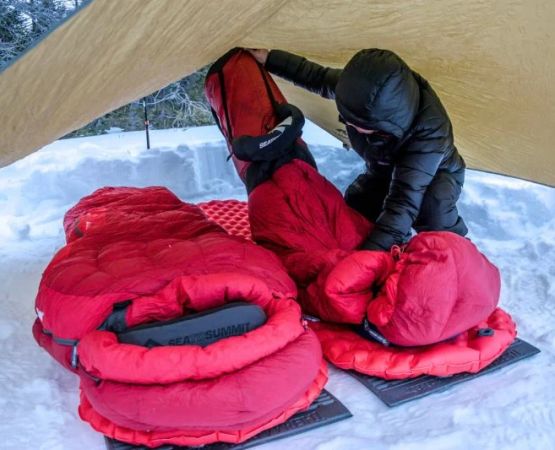
Choose a tent that can handle the occasional rain or windstorms typical of Yellowstone. A three-season tent is a good option. Make sure to bring a quality sleeping bag rated for the temperatures you may encounter, as nights can be chilly even in the summer.
2. Cooking and Food Supplies
Many campsites have picnic tables and fire pits, but it’s a good idea to bring your own camp stove for cooking. If you plan to hike or explore remote areas, consider packing lightweight, freeze-dried meals that are easy to prepare.
3. Clothing for All Seasons
Even in summer, Yellowstone can have unpredictable weather. Pack layers, including a waterproof jacket, warm fleece, and sturdy hiking boots. Don't forget a hat, sunglasses, and sunscreen for sunny days, and be prepared for chilly evenings.
Wildlife Safety and Precautions
Yellowstone is home to many wild animals, some of which can pose risks to campers. Proper wildlife safety is crucial for ensuring a safe trip.
1. Bear Safety
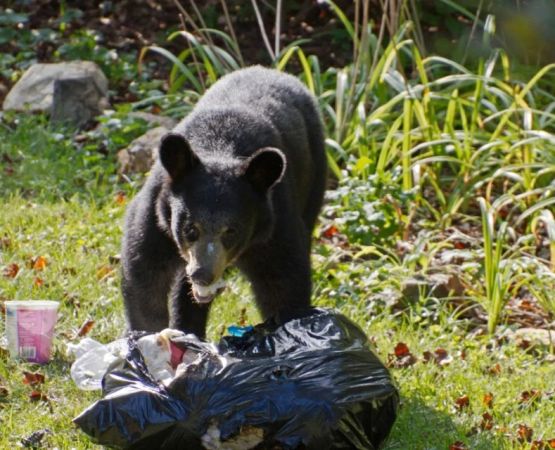
Bears are common in Yellowstone, so it’s important to follow bear safety guidelines. Always store food and scented items in bear-proof containers or hang them from a tree if you’re camping in backcountry areas. Never approach or feed wildlife, and be alert when hiking in bear country.
2. Other Wildlife Precautions
Yellowstone’s wildlife includes bison, elk, and wolves, all of which can be dangerous if provoked. Maintain a safe distance from all animals and respect park regulations regarding wildlife viewing.
3. Food Storage Regulations
Follow all food storage regulations at your campsite. Yellowstone requires that campers store food in bear-proof lockers or containers to minimize the risk of attracting animals.
Activities and Sights in Yellowstone
Yellowstone National Park is filled with exciting activities and breathtaking sights. Here are some must-see attractions and things to do while you’re camping in the park:
1. Geysers and Hot Springs
Don’t miss the famous geysers, including Old Faithful, which erupts regularly and offers a spectacular display of nature’s power. Explore the geothermal features of the park, including the colorful hot springs and bubbling mud pots.
2. Hiking and Wildlife Watching
Yellowstone offers some of the best hiking trails in the country, ranging from easy walks to challenging backcountry routes. Be sure to pack your camera for wildlife watching — the park is known for its abundant wildlife, including bison herds, elk, and even grizzly bears.
3. Fishing and Boating
If you enjoy fishing, Yellowstone’s rivers and lakes are teeming with trout. Yellowstone Lake is particularly popular for fishing and boating, offering both guided tours and rentals.
Preparing for the Unpredictable Weather
Yellowstone's weather can change rapidly, so being prepared is key. Even in summer, temperatures can drop unexpectedly, and storms can roll in without warning.
1. Checking the Weather Forecast
Before heading to Yellowstone, check the weather forecast for the area you’ll be camping in. Be aware that weather can vary significantly across the park’s different elevations, so pack accordingly.
2. Be Ready for Rain or Snow
Even in the middle of summer, snowfall is possible in Yellowstone’s higher elevations. Be sure to bring waterproof gear and extra warm layers to stay comfortable during unexpected changes in the weather.
3. Plan for Fire Safety
Yellowstone has frequent fire bans during dry conditions, so make sure to check local regulations before starting a campfire. Always practice safe fire techniques and fully extinguish your fire before leaving it unattended.
Camping in Yellowstone is a rewarding adventure, but being well-prepared can make all the difference. Whether you’re exploring geothermal wonders, watching wildlife, or hiking the park’s scenic trails, the memories you make will be unforgettable. For more tips and gear recommendations, check out Camping With Kayla, your guide to the best camping experiences!