
- 1-Understanding-Bugs-in-Camping
- 2-Natural-Repellents-That-Work
- 3-Camp-Site-Setup-Tips
- 4-Personal-Hygiene-and-Clothing
- 5-Food-Storage-and-Cleaning
- 6-Using-Essential-Oils-Effectively
- 7-Nighttime-Strategies
- 8-Real-Life-Camping-Stories
- 9-Recommended-Products-and-Tools
- 10-Daily-Preparation-Routines
1. Understanding Bugs in Camping
Before tackling how to keep bugs away while camping, it is important to understand the types of insects you may encounter. Mosquitoes, ticks, and flies are common culprits that can cause discomfort or transmit diseases. Knowing their behavior, breeding grounds, and peak activity times is crucial to implementing natural and safe methods that work.
1.1 Mosquito Behavior
Mosquitoes are attracted to standing water and carbon dioxide. They are most active during dawn and dusk, making these the critical periods for protection. Planning your camping activities around this knowledge can help reduce encounters.
1.2 Ticks and Other Insects
Ticks thrive in tall grass, wooded areas, and leaf litter. Wearing appropriate clothing and checking yourself regularly can prevent bites. Flies are often attracted to food, so proper storage is essential to minimize their presence.
2. Natural Repellents That Work
2.1 Citronella and Lemon Eucalyptus
Citronella candles or essential oils can deter mosquitoes in the campsite perimeter. Lemon eucalyptus oil, applied sparingly to exposed skin, is another natural solution that has been scientifically proven effective against mosquitoes.
2.2 Garlic and Herbal Sprays
Garlic-based sprays, although less common, can create an environment less appealing to insects. Other herbs like lavender, rosemary, and peppermint act as repellents when placed around the campsite or applied to skin safely.
2.3 Neem Oil Applications
Neem oil is widely recognized for its ability to repel a variety of insects naturally. Mixing neem oil with a carrier oil and applying it to exposed areas provides effective protection without harmful chemicals.
3. Camp Site Setup Tips
3.1 Choose Locations Wisely
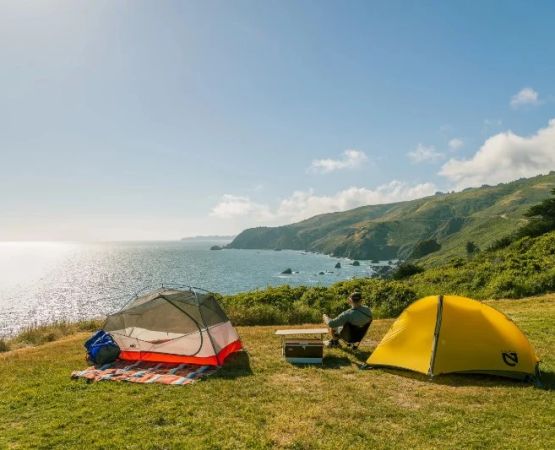
Setting up a campsite away from stagnant water and dense brush reduces insect encounters. Open, sunny areas are generally less favorable to mosquitoes and ticks compared to shaded, humid environments.
3.2 Strategic Tent Placement
Position your tent in areas with natural airflow to minimize mosquito presence. Elevate tents slightly if possible to avoid moisture accumulation and reduce ground-level insect activity.
4. Personal Hygiene and Clothing
4.1 Proper Clothing
Long sleeves, pants, and light-colored fabrics are effective at reducing bites. Tucking pants into socks can further prevent tick access. Breathable fabrics ensure comfort during active outdoor activities.
4.2 Hygiene Practices
Maintaining personal hygiene and avoiding scented lotions or perfumes can reduce insect attraction. Regularly washing hands and skin after meals or outdoor tasks is also beneficial.
5. Food Storage and Cleaning
5.1 Airtight Containers
Storing food in airtight containers prevents attracting flies and ants. Make sure all leftovers are sealed and packed away immediately after meals.
5.2 Campfire Cooking Strategies
Cooking away from the sleeping area and disposing of food scraps responsibly reduces insect concentrations around tents. Smoke from campfires can also act as a natural deterrent for many flying insects.
6. Using Essential Oils Effectively
6.1 Topical Application
Essential oils such as lavender, peppermint, and tea tree can be diluted with carrier oils and applied to exposed skin areas. This method provides direct protection against insects while remaining safe for daily use.
6.2 Diffusion Techniques
Diffusing essential oils using portable diffusers or placing scented sachets around the campsite can create a broader protective area, discouraging insects from settling near tents and cooking zones.
7. Nighttime Strategies
7.1 Mosquito Netting
Using mosquito netting around sleeping areas ensures uninterrupted rest. Lightweight nets are easy to pack and offer significant protection against nocturnal insects.
7.2 Firelight and Citronella
Placing citronella candles around the perimeter or maintaining a small fire can help repel bugs. Combining these methods with other natural techniques maximizes nighttime protection.
8. Real-Life Camping Stories
8.1 Family Camping Experience
The Johnson family shared their experience camping in the Adirondacks. By using a combination of citronella candles, neem oil applications, and strategic campsite placement, they enjoyed a bug-free weekend, demonstrating how simple natural solutions can work effectively.
8.2 Solo Hiker Insights
Emma, a solo backpacker, emphasized that carrying essential oils and using breathable, long-sleeved clothing significantly reduced mosquito bites during her week-long trek in the Pacific Northwest.
9. Recommended Products and Tools
High-quality essential oils, portable diffusers, mosquito netting, and airtight containers are recommended. Camping enthusiasts can find trusted products at Camping With Kayla to enhance their bug-free camping experience safely and naturally.
10. Daily Preparation Routines
Implementing a consistent routine ensures effective insect control:
- Morning: Apply natural repellents, check tent setup, and ensure food is secured.
- Afternoon: Reapply diluted essential oils, inspect clothes for ticks, and maintain hygiene.
- Evening: Light citronella candles, position netting, and set up diffusers around sleeping area.
- Night: Ensure all food scraps are cleaned and tents are zipped to prevent insect entry.
By integrating How to Keep Bugs Away While Camping Using Natural and Safe Methods That Work into your camping habits, outdoor adventures become safer, more enjoyable, and eco-friendly. Explore Camping With Kayla for additional tips, recommended products, and proven strategies to enhance your bug-free camping experience.