How to Prepare for High-Altitude Camping in Colorado
Colorado is home to some of the most breathtaking landscapes in the U.S., including majestic mountain ranges and towering peaks. For outdoor enthusiasts, high-altitude camping in Colorado offers an unparalleled experience. However, camping at elevations above 8,000 feet comes with unique challenges. Whether you're a seasoned camper or a first-timer, proper preparation is essential to ensure your safety and enjoyment. In this article, we’ll cover the essential steps to prepare for high-altitude camping in Colorado, including how to handle altitude sickness, gear recommendations, and safety tips.
- 1. Understanding Altitude Sickness
- 2. Acclimatization: How to Prevent Altitude Sickness
- 3. Essential Camping Gear for High-Altitude Trips
- 4. Prepare for Colorado's Weather Conditions
- 5. Mental and Physical Preparation for High-Altitude Camping
1. Understanding Altitude Sickness
At higher elevations, the air contains less oxygen, which can cause the body to experience altitude sickness. Symptoms of altitude sickness can include dizziness, shortness of breath, headaches, nausea, and fatigue. These symptoms can begin to appear at altitudes as low as 6,000 feet, but they become more common and severe at altitudes above 8,000 feet.
For those planning a camping trip in the Colorado Rockies, it’s important to understand how altitude sickness works and how to manage it. While most cases of altitude sickness are mild and go away with proper acclimatization, severe cases can lead to life-threatening conditions such as high-altitude pulmonary edema (HAPE) or high-altitude cerebral edema (HACE). Knowing the signs and symptoms of altitude sickness is the first step in ensuring your safety.
2. Acclimatization: How to Prevent Altitude Sickness
Acclimatization is the process of gradually adjusting to the reduced oxygen levels at higher altitudes. It is essential for preventing altitude sickness when camping in Colorado’s mountains. To give your body time to adjust, it’s recommended to spend several days at a moderate altitude (5,000 to 7,000 feet) before heading higher. This gives your body time to produce more red blood cells and adapt to the lower oxygen levels.
Here are some tips for proper acclimatization:
- Ascend Slowly: Avoid ascending more than 1,000 feet per day above 8,000 feet. If possible, take a rest day every few days to allow your body to adjust.
- Stay Hydrated: Drink plenty of water throughout your trip to help your body adjust and stay hydrated in the dry mountain air.
- Avoid Alcohol and Smoking: Both alcohol and smoking can impair your body’s ability to acclimatize, so it’s best to avoid them when camping at high altitudes.
- Know the Symptoms: Be aware of the early symptoms of altitude sickness (headaches, dizziness, and nausea), and be prepared to descend to a lower elevation if needed.
3. Essential Camping Gear for High-Altitude Trips
When camping at high altitudes, it's crucial to have the right gear to stay comfortable and safe. Here’s a list of essential gear for high-altitude camping in Colorado:
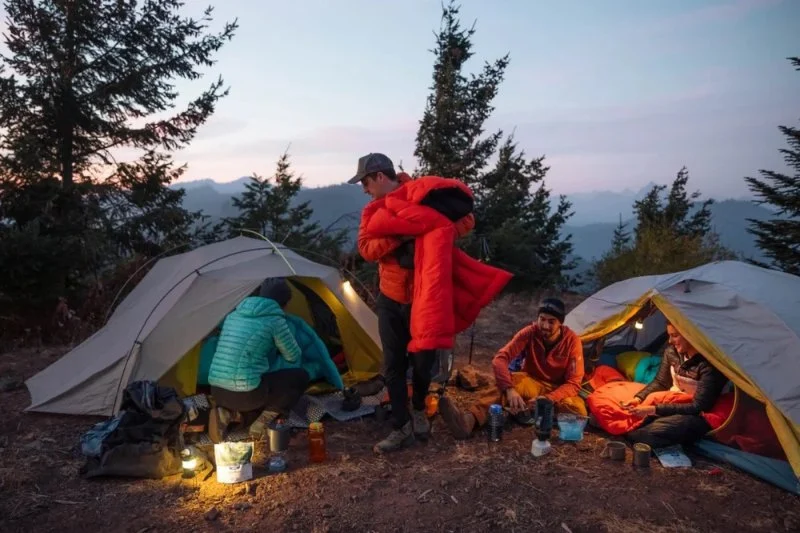
- High-Quality Tent: Choose a four-season tent designed to withstand wind and snow. Colorado’s mountain weather can be unpredictable, and a sturdy tent will keep you warm and dry.
- Sleeping Bag: Opt for a sleeping bag rated for cold weather (20°F or lower) to ensure warmth at night, especially in the higher elevations.
- Clothing: Layering is key in high-altitude environments. Invest in moisture-wicking base layers, an insulating mid-layer, and a waterproof, windproof outer layer to stay comfortable in changing weather conditions.
- Portable Stove: A lightweight, portable stove is essential for cooking in high-altitude conditions. Make sure you have enough fuel for your trip.
- Water Filtration System: Having access to clean drinking water is essential. Carry a portable water filter or purification tablets to ensure safe water sources.
4. Prepare for Colorado's Weather Conditions
Colorado’s weather is notoriously unpredictable, especially in the mountains. Even in the summer, temperatures can drop significantly at night, and afternoon thunderstorms are common. Be prepared for sudden changes in weather by checking forecasts before you leave and packing accordingly.
In addition to the typical mountain weather, it’s important to understand the risk of rapid temperature fluctuations. In some cases, temperatures can drop from the 70s during the day to below freezing at night. Always bring extra clothing, such as insulated jackets, gloves, and hats, to stay warm during the colder evenings.
5. Mental and Physical Preparation for High-Altitude Camping
High-altitude camping can be physically demanding, so it’s important to mentally and physically prepare for the experience. Building up your endurance through regular cardio exercises, like hiking or walking with a weighted pack, can help you handle the increased physical exertion of mountain hiking.
Mentally, high-altitude camping can also present challenges. The isolation of remote campsites and the physical strain of hiking at higher elevations can sometimes be overwhelming. Prepare yourself for the potential challenges by practicing positive mental techniques such as mindfulness or deep-breathing exercises, which can help you stay focused and calm during tough moments.
Lastly, remember to go slow and enjoy the journey. High-altitude camping in Colorado is an incredible experience, and the stunning views of snow-capped peaks and wildflower-filled valleys make it all worth it.
If you're planning a high-altitude camping trip in Colorado, be sure to check out Camping With Kayla for gear recommendations, tips, and expert advice on making your adventure a success.