- 1-camping-food-preparation-tips
- 2-how-to-choose-foods-that-last-without-refrigeration
- 3-safe-storage-techniques-for-camping-food
- 4-cooler-alternatives-and-natural-preservation-methods
- 5-real-camping-examples-of-food-spoilage-prevention
- 6-planning-meals-and-routines-for-safe-outdoor-eating
1. Camping Food Preparation Tips
Camping is one of the most enjoyable ways to experience the outdoors, but one challenge always stands out: keeping your food safe without a refrigerator. If you’ve ever asked yourself, "How to Prevent Food Spoilage While Camping Without a Refrigerator", the key lies in careful preparation.
Start by planning your meals with food safety in mind. Avoid highly perishable items such as raw dairy or meat that need constant refrigeration. Pre-cooking meals at home can reduce the risk of contamination while allowing you to enjoy ready-to-eat dishes that hold up well in a cooler environment.
1.1 Portion and Pre-Pack
Divide food into individual portions before leaving for the campsite. This reduces the need to repeatedly open containers, limiting exposure to outside bacteria. Vacuum-sealed bags or airtight containers can significantly extend freshness.
1.2 Prioritize Cleanliness
Washing hands, utensils, and surfaces before handling food prevents the introduction of bacteria. Even minor hygiene oversights can lead to spoilage, especially when camping without refrigeration.
2. How to Choose Foods That Last Without Refrigeration
Choosing the right foods is essential for preventing spoilage. Focus on items that are naturally resistant to bacterial growth or that have been preserved through drying, canning, or vacuum sealing.
2.1 Non-Perishable Staples
Items like canned beans, rice, pasta, nuts, and dried fruits are ideal for camping. They are easy to pack, lightweight, and don’t require cooling.
2.2 Shelf-Stable Proteins
Jerky, canned tuna, and shelf-stable tofu can provide protein without refrigeration. Pre-cooked and vacuum-sealed chicken or beef can also work for short trips if properly stored.
2.3 Fresh Foods That Travel Well
Carrots, bell peppers, apples, and oranges are less perishable and can last several days in a cooler or insulated bag. Leafy greens are more sensitive and may require creative storage methods.
3. Safe Storage Techniques for Camping Food
Proper storage is the cornerstone of preventing spoilage when you’re away from a refrigerator. How you store your food directly impacts its safety and freshness.
3.1 Insulated Coolers and Ice Packs
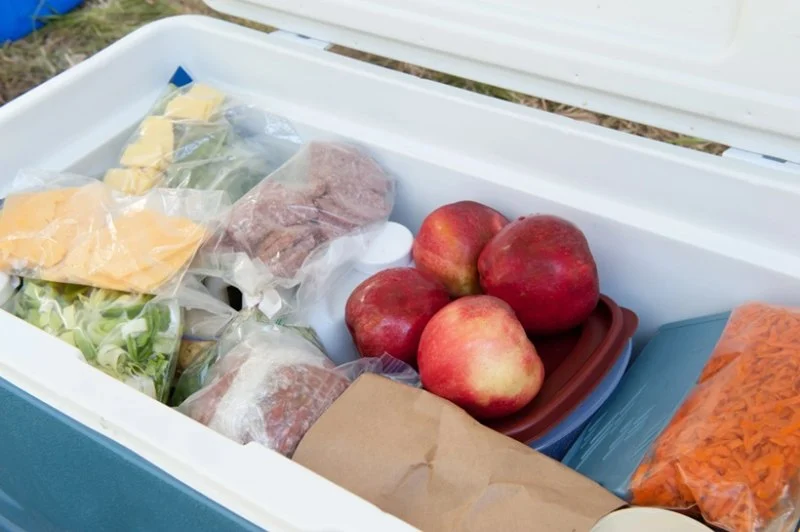
Even without electricity, an insulated cooler with ice packs can keep foods at safe temperatures for several hours or even a day. Layer foods strategically, placing more perishable items closer to ice packs and least perishable items on top.
3.2 Hanging Food from Trees
For overnight camping in wooded areas, hanging food away from the ground not only keeps it safe from wildlife but can also reduce exposure to warmth near the ground, helping slow spoilage.
3.3 Airtight Containers
Using airtight containers protects against moisture and bacteria. It’s particularly important for items like sandwiches, pre-cooked meals, or snacks that you want to keep fresh throughout your camping trip.
4. Cooler Alternatives and Natural Preservation Methods
Sometimes, you may not have access to a cooler at all. There are several creative ways to prevent food spoilage naturally while camping.
4.1 Buried Storage
In cooler climates, storing food in a sealed container buried in a shaded spot can help maintain lower temperatures. Be sure to mark the location and keep the container sealed to prevent contamination.
4.2 Stream or River Use
Placing a waterproof container in flowing cold water can mimic refrigeration. This technique works best for foods that can handle slight moisture exposure and short-term submersion.
4.3 Drying and Dehydration
Dehydrated fruits, vegetables, and meats can last for days without refrigeration. Bringing these items ensures nutritious and safe meals, reducing the risk of spoilage.
4.4 Salt and Vinegar Preservation
Pickling vegetables or using cured meats with salt can prevent bacterial growth. These traditional methods have been used by campers and explorers for centuries.
5. Real Camping Examples of Food Spoilage Prevention
Consider Emma, an avid camper in Colorado. On a three-day trip, she relied solely on vacuum-sealed meals and a small ice pack cooler. By rotating the ice packs daily and keeping cooked meals in airtight containers, she managed to enjoy fresh meals without any spoilage.
Another case involves a family camping in Oregon, who experimented with using natural stream cooling. They stored perishable vegetables in waterproof containers submerged in a shaded stream section. This method allowed them to keep salad ingredients fresh for the duration of the trip.
5.1 Lessons Learned from Real Campers
From these experiences, several key strategies emerge: plan your meals with non-perishable and resilient foods, maintain strict hygiene, and consider natural cooling methods to extend freshness.
6. Planning Meals and Routines for Safe Outdoor Eating
Success in preventing food spoilage while camping comes down to planning and routine.
6.1 Daily Meal Prep
Rather than cooking all meals at once, prepare meals as needed. This approach minimizes time food spends at unsafe temperatures and reduces the risk of bacterial growth.
6.2 Monitoring Storage Conditions
Check ice packs, container seals, and ambient temperatures regularly. Adjust placement of food in your campsite to maintain optimal conditions.
6.3 Educate Campers
When camping in a group, ensure everyone understands the importance of proper food handling and storage. Assign responsibilities to avoid mistakes that could lead to spoilage.
6.4 Invest in High-Quality Gear
Durable insulated bags, airtight containers, and portable coolers can make a significant difference. For the latest camping gear designed to keep food safe without refrigeration, visit trusted sources like Camping With Kayla to find recommendations, reviews, and products suited for your adventure.
By combining careful food selection, smart storage techniques, natural preservation methods, and proper planning, you can enjoy safe, fresh meals in the wilderness without relying on a refrigerator. Preventing food spoilage while camping not only protects your health but also enhances the enjoyment of your outdoor experience, allowing you to focus on exploring, relaxing, and making memories.