- camping-preparation-basics - how to get ready before your first trip
- gear-and-setup-tips - choosing and organizing camping equipment
- safety-and-comfort-strategies - staying safe and comfortable outdoors
- real-first-trip-experiences - beginner mistakes and lessons learned
- outdoor-lifestyle-advice - building confidence in nature camping
Why First-Time Camping Feels Overwhelming (and How to Fix That)
Most people imagine camping as simple: pitch a tent, sit by a fire, and enjoy nature. The reality is often a little different for beginners. Missing gear, unexpected weather, or poor planning can turn excitement into stress quickly.
The good news is that camping becomes significantly easier when you understand a few core principles before your first trip. These camping tips for beginners are designed to remove guesswork and help you focus on what actually matters—enjoying the outdoors.
One first-time camper once described their experience as “a beautiful disaster.” They had the right enthusiasm but forgot essentials like lighting and proper food storage. That trip became a learning experience that shaped every future adventure in a much better way.
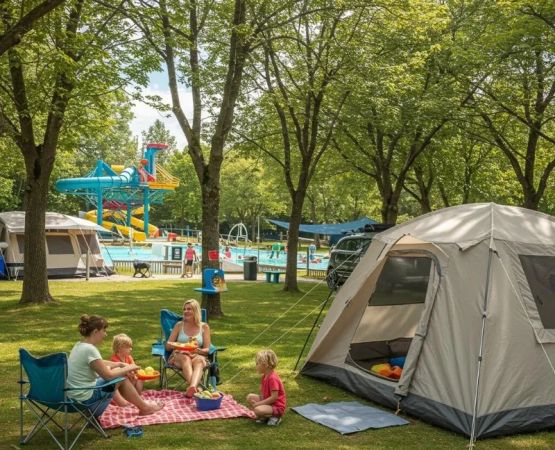
1. Start With a Simple Campsite Close to Home
Your first camping trip should never be a remote, multi-day wilderness expedition. Choosing a nearby campsite reduces pressure and makes it easier to return home if something goes wrong.
This approach builds confidence without overwhelming you with logistics or isolation.
2. Always Test Your Gear Before Leaving
A common beginner mistake is opening gear for the first time at the campsite. Tents, stoves, and sleeping bags should be tested at home or in your backyard.
One family shared how they discovered their tent poles were missing only after arriving at a forest campsite. A simple home setup test would have prevented the entire issue.
3. Pack Layers Instead of Heavy Clothing
Weather changes quickly outdoors. Layering allows you to adapt without overpacking. A light base layer, insulating mid-layer, and waterproof outer layer work better than bulky clothing.
This strategy improves comfort and reduces backpack weight significantly.
4. Keep Your Food Plan Simple and Reliable
First-time campers often overcomplicate meals. Instead of elaborate cooking setups, focus on easy, pre-prepared food or simple recipes that require minimal tools.
Food safety is also important—proper storage prevents wildlife encounters and spoilage.
5. Learn Basic Tent Setup Before Arrival
Setting up a tent in daylight is very different from doing it in fading light or wind. Practice at least once before your trip.
One beginner camper recalled spending two hours trying to figure out tent poles in the dark—an experience that turned into a long lesson in patience and preparation.
6. Bring More Light Than You Think You Need
Lighting is one of the most underestimated parts of camping. Headlamps, lanterns, and backup batteries should always be included.
A well-lit campsite reduces stress, improves safety, and makes nighttime tasks significantly easier.
7. Respect the Importance of a Good Sleeping Setup
Sleep quality can make or break your camping experience. A proper sleeping pad, insulated bag, and comfortable setup help your body recover after outdoor activity.
Even experienced campers say poor sleep is the fastest way to ruin a trip mood.
8. Keep Hygiene Simple but Consistent
You don’t need complex setups, but basic hygiene matters. Wet wipes, hand sanitizer, and biodegradable soap can make a big difference in comfort and health.
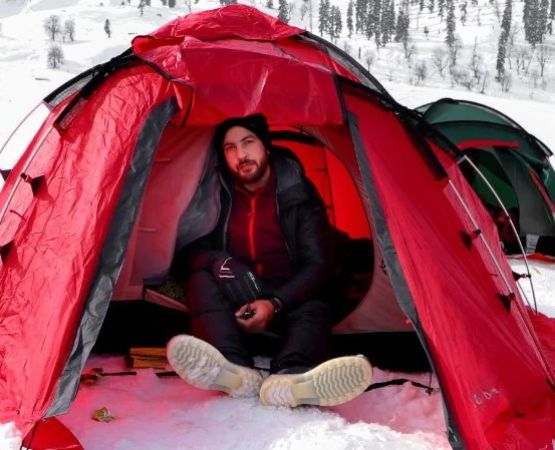
9. Plan for Weather Changes, Not Just Forecasts
Weather forecasts are helpful but not perfect. Always prepare for unexpected rain or temperature drops.
This mindset prevents most beginner discomfort situations.
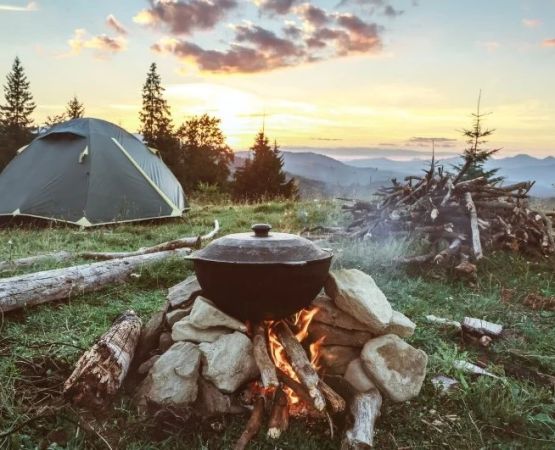
10. Know Basic Fire Safety Rules
If fires are allowed at your campsite, always follow safety guidelines. Keep water nearby and never leave fire unattended.
One common camping mistake is underestimating how quickly wind can spread embers.
11. Keep Your Campsite Organized
A cluttered campsite creates confusion and increases risk of losing gear. Assign specific zones for cooking, sleeping, and storage.
12. Stay Hydrated More Than You Expect
Outdoor activity increases dehydration risk. Even if you don’t feel thirsty, drink water regularly.
13. Use a Checklist Every Time
A written checklist prevents forgotten items. Many experienced campers still rely on lists because memory is unreliable during pre-trip excitement.
14. Learn Basic Navigation Skills
Even if you use GPS, understanding basic map reading ensures you are not fully dependent on technology.
15. Leave No Trace Behind
Respecting nature is part of responsible camping. Clean up your area completely and leave it as you found it—or better.
Real Beginner Story: The Weekend That Changed Everything
A beginner camper once joined a group trip without preparation. They underestimated temperature drops and forgot proper sleeping insulation. The night became uncomfortable, but the group shared gear and helped them adjust.
That experience turned into motivation to learn properly. On the next trip, they came prepared and described it as “the best weekend I’ve ever had outdoors.”
This highlights how preparation transforms camping from stressful to enjoyable.
Building Confidence Through Smart Preparation
Camping is not about perfection—it’s about preparation. Small adjustments in planning, gear selection, and expectations create a major difference in experience quality.
Beginners who follow structured camping tips for beginners tend to enjoy their trips far more and develop confidence faster.
For those looking to explore deeper guides, gear suggestions, and outdoor planning ideas, Camping With Kayla offers additional resources to help make every trip smoother and more enjoyable.