- 1. Why Camping Is a Great Hobby in Your 30s and 40s
- 2. How to Get Started with Camping
- 3. Essential Camping Gear for Beginners
- 4. Choosing the Right Campsite
- 5. Camping Safety Tips for New Campers
1. Why Camping Is a Great Hobby in Your 30s and 40s
If you’re in your 30s or 40s and looking to try something new, camping can be a fantastic way to unwind, get active, and reconnect with nature. Many people in their 30s and 40s find that camping offers a welcome break from their busy work and home lives. It allows them to disconnect from technology, experience the great outdoors, and engage in physical activities without the distractions of modern life.
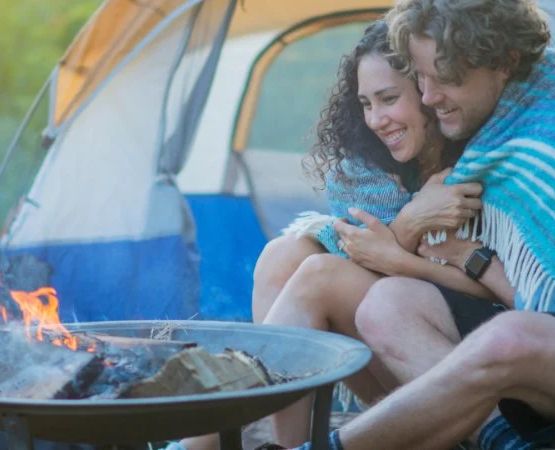
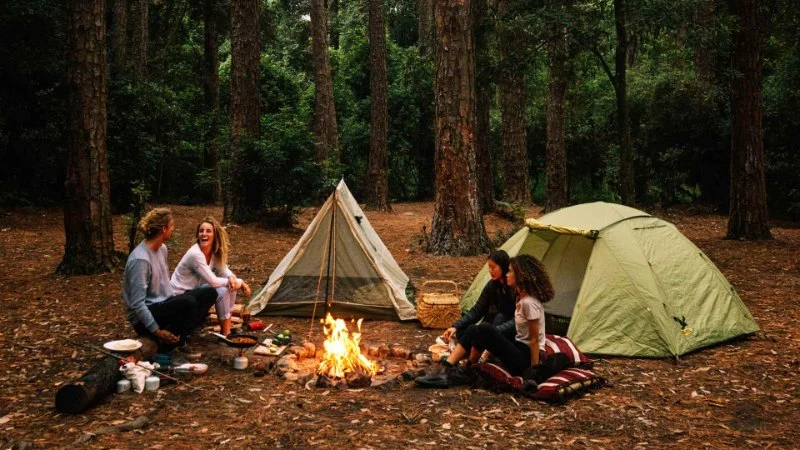
Besides the opportunity to relax and recharge, camping also provides a chance to create lasting memories with friends and family. Whether you’re going for a weekend getaway or a week-long adventure, camping offers flexibility and enjoyment for adults of all ages.
2. How to Get Started with Camping
Starting camping in your 30s or 40s doesn’t have to be intimidating. The key is to begin with simple steps and gradually build up your camping experience. Here’s how to get started:
- Start with a weekend trip: Choose a nearby campsite that offers basic amenities such as restrooms and water. This will help you ease into the experience without feeling overwhelmed.
- Join a camping group: Many camping groups or meetups cater to beginners, making it a great way to learn from experienced campers and make new friends.
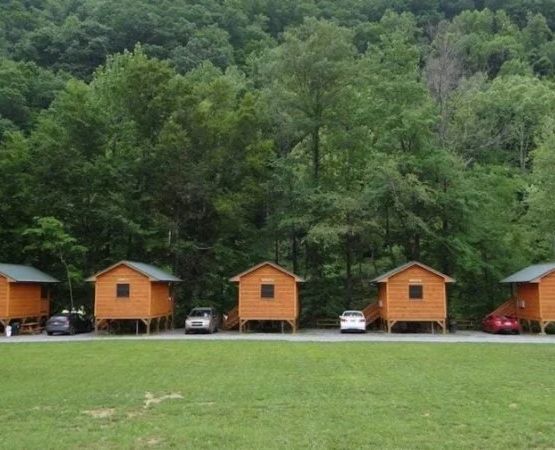
- Choose a comfortable setting: Look for campgrounds that offer facilities like cabins or yurts in case you prefer a more comfortable camping experience to start with.
3. Essential Camping Gear for Beginners
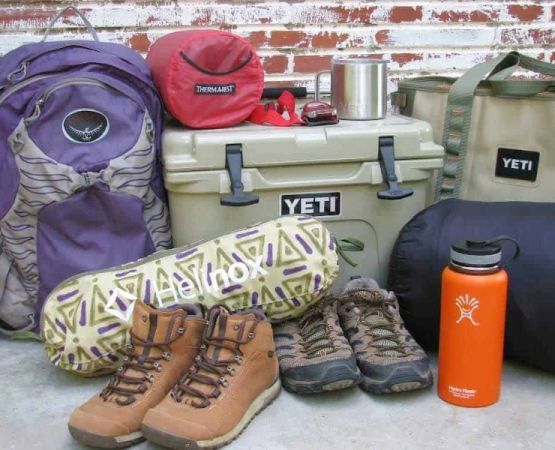
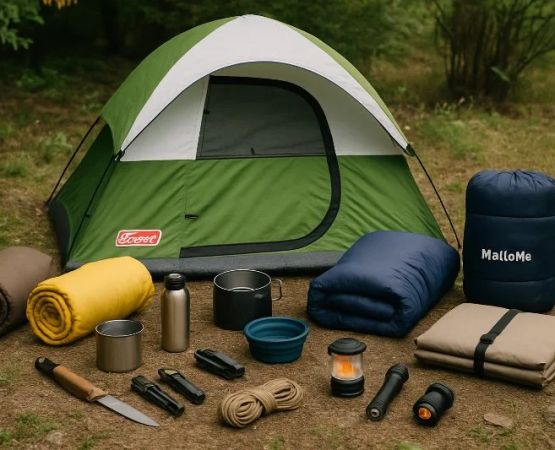
Having the right gear can make your first camping trip much more enjoyable. While you don’t need to buy everything on your first trip, there are a few essentials to invest in to ensure a comfortable and safe experience. Here are the must-have items:
- Quality tent: Your shelter is key to a good night’s sleep. Look for a tent that’s easy to set up and fits your needs in terms of size and weather protection.
- Sleeping bag and mat: A good sleeping bag suited to the season is important for staying warm at night. A sleeping pad or mat will also improve comfort on uneven ground.
- Portable cooking gear: A small camping stove or portable grill can help you prepare meals while camping. Don’t forget utensils and cookware!
- Headlamp or flashlight: Light is crucial when camping, so make sure to bring a reliable flashlight or headlamp, preferably with extra batteries.
4. Choosing the Right Campsite
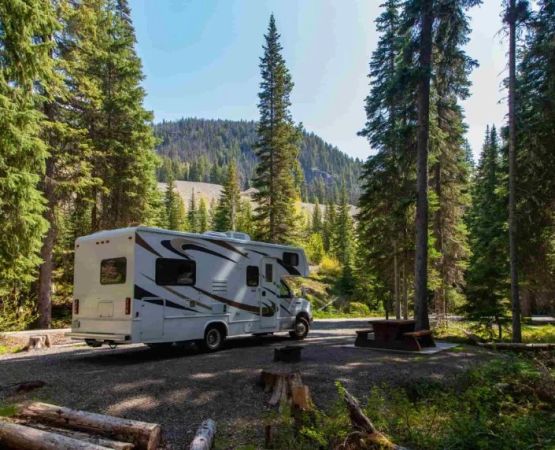
Choosing the right campsite is one of the most important aspects of a successful camping trip. If you’re new to camping, it’s best to start with a campsite that offers easy access and basic amenities. Here are some things to consider when choosing a campsite:
- Proximity: Choose a campsite that’s within driving distance so you can easily access it without a long and exhausting journey.
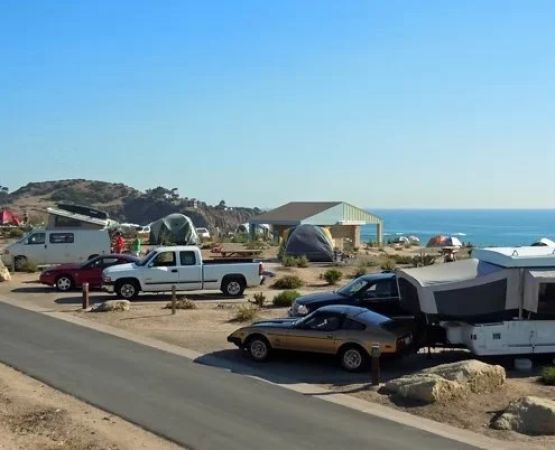
- Accessibility: Look for campsites that are easy to access with minimal hiking. If you're in your 30s or 40s and not used to strenuous outdoor activities, this will help ensure an enjoyable experience.
- Amenities: For beginners, a campground with restrooms, picnic tables, and water access will provide a comfortable base for your adventure.
5. Camping Safety Tips for New Campers
Safety should always be a top priority when camping. Whether you’re camping alone or with friends and family, it’s important to be prepared for emergencies. Here are a few essential camping safety tips:
- Know basic first aid: Learn basic first aid and bring a well-stocked first aid kit that includes bandages, antiseptics, and pain relief medication.
- Stay hydrated: Always carry enough water to stay hydrated, especially if you’re hiking or engaging in physical activities.
- Follow wildlife safety guidelines: Keep a safe distance from wildlife, and store food properly to avoid attracting animals to your campsite.
- Tell someone your plans: Always let a friend or family member know where you’ll be camping, when you plan to return, and your contact details.
Once you feel more comfortable, you can try more advanced camping trips, like backcountry camping or camping in more remote locations. For now, though, start small and gradually expand your camping horizons. By following these simple tips, you’ll be well on your way to enjoying your new hobby of camping in your 30s or 40s.
If you're looking for the best camping gear and accessories to get started, visit Camping With Kayla for expert recommendations and the right products tailored to your needs!