- 1. Why a Camping Checklist is Essential
- 2. Key Camping Gear to Pack
- 3. Clothing and Personal Items for Your Trip
- 4. Camping Food and Drink Essentials
- 5. Setting Up Your Campsite: Tips and Tricks
1. Why a Camping Checklist is Essential
Camping is an exciting and adventurous activity, but without proper planning, it can quickly turn into a stressful experience. The key to a smooth and enjoyable camping trip lies in preparation, and having a comprehensive camping checklist is one of the most important steps you can take to ensure you’re fully equipped for the adventure ahead.
A checklist ensures that you don't forget crucial items, helps you stay organized, and provides peace of mind throughout your trip. Whether you're going for a weekend getaway or a week-long hiking expedition, a camping checklist will help you stay on track, so you can focus on enjoying the great outdoors.
2. Key Camping Gear to Pack
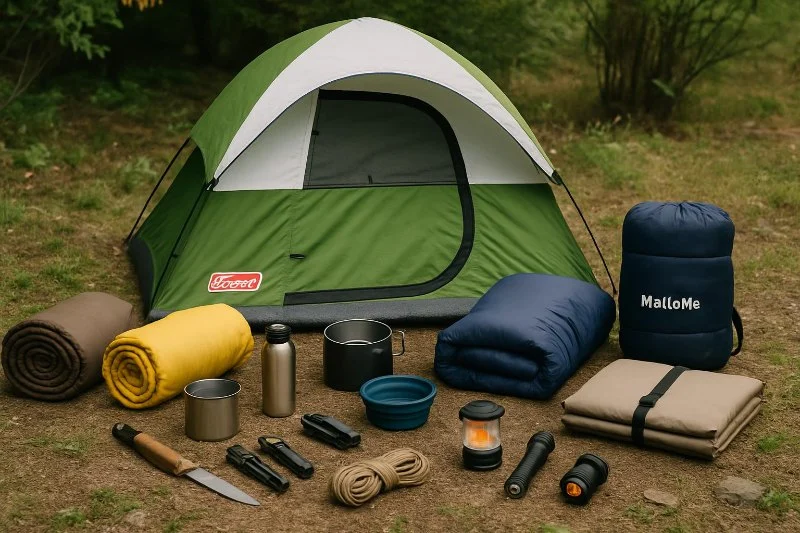
Before embarking on your camping adventure, it’s important to have the right gear. Here’s a list of essential camping gear you should pack to make your trip as comfortable and safe as possible:
1. Tent: A good-quality tent is the foundation of your camping experience. Make sure it’s the right size for your group and weather-resistant for your specific camping conditions.
2. Sleeping Bag and Pad: Comfort is key for a good night’s rest. Choose a sleeping bag suited to the season and a sleeping pad for extra comfort and insulation from the ground.
3. Cooking Equipment: If you plan to cook your meals while camping, be sure to pack a portable stove, cookware, and utensils. A lightweight cooking setup will allow you to enjoy meals with minimal hassle.
4. Lighting: Lanterns or headlamps are essential for navigating your campsite at night. Don’t forget extra batteries or a solar-powered option for sustainability.
5. First Aid Kit: Accidents can happen, and having a first aid kit is essential for handling minor injuries. Be sure to include bandages, antiseptic wipes, and any necessary medications.
3. Clothing and Personal Items for Your Trip
Clothing can make or break your camping experience. Dressing appropriately for the weather and outdoor conditions is crucial. Here’s what to include in your personal items pack:
1. Weather-Appropriate Clothing: Always check the weather forecast before your trip. Pack moisture-wicking layers for warmer weather and thermal layers for cooler nights. Don’t forget a waterproof jacket, especially if you’re camping in areas prone to rain.
2. Sturdy Footwear: A good pair of hiking boots or shoes with proper support is a must if you plan on hiking. If you're just relaxing at the campsite, durable sandals or camp shoes will suffice.
3. Personal Hygiene Items: Basic hygiene items such as biodegradable soap, toothpaste, and a toothbrush are essential. A towel and a washcloth are also great additions for a refreshing clean-up after a long day of hiking or exploring.
4. Sunscreen and Bug Repellent: Protect yourself from the elements with sunscreen and bug repellent. These will help prevent sunburn and insect bites, both of which can make your trip uncomfortable.
4. Camping Food and Drink Essentials
Proper nutrition is crucial when you’re out in the wilderness, and having the right food and drinks will help keep your energy levels high. Here’s how to pack for a satisfying and efficient camping food plan:
1. Non-Perishable Foods: Pack a variety of non-perishable items such as canned goods, trail mix, nuts, and energy bars. These are easy to store and require no refrigeration.
2. Fresh Foods: If you’re only camping for a few days, consider packing fresh foods like vegetables, fruits, and meats. Just make sure to store them properly to keep them fresh until it’s time to eat.
3. Cooking and Storage Containers: Bring airtight containers to store your food safely. You’ll also need food prep items like a portable stove, utensils, and a cooler for perishables.
4. Hydration: Water is vital for hydration, so make sure to bring enough for your entire trip. Consider bringing a water filter or water purification tablets if you’ll be drawing water from natural sources.
5. Setting Up Your Campsite: Tips and Tricks
Setting up camp efficiently can help you avoid stress and ensure you’re ready to enjoy your surroundings. Here are some tips to make setting up your campsite a breeze:
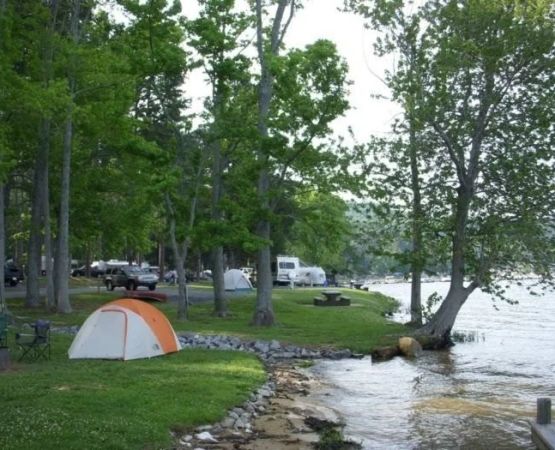
1. Choose the Right Campsite: Select a flat, dry area for your tent, away from any potential hazards like falling branches or high water levels. Make sure it’s also close to necessary amenities like a water source or bathroom.
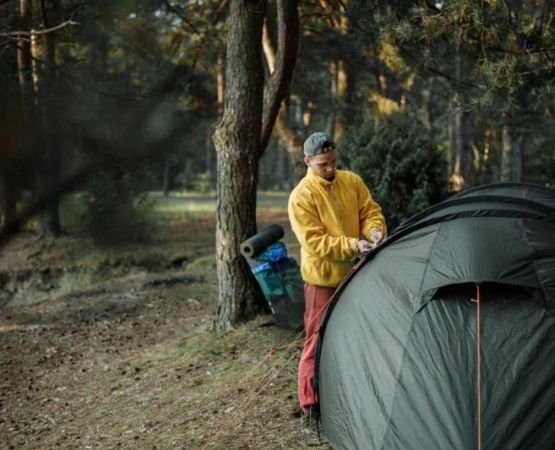
2. Set Up Your Tent Properly: Follow the instructions for your tent carefully to ensure it’s securely pitched. Make sure all guy lines are taut and that the rainfly is properly secured for added protection from the elements.
3. Organize Your Gear: Organize your gear into designated areas, such as cooking, sleeping, and eating zones. This will help keep your campsite neat and reduce clutter during your stay.
4. Keep Food and Trash Secure: To avoid attracting wildlife, store food and trash in airtight containers. Always pack out what you pack in, keeping your campsite clean and eco-friendly.
For more expert camping gear, accessories, and helpful tips, visit Camping With Kayla. We offer a variety of camping products that will ensure a comfortable, stress-free camping experience!