Rainfly Setup Tips to Prevent Leaks in Your Tent
- why-proper-rainfly-setup-matters
- understanding-how-a-rainfly-protects-your-tent
- essential-rainfly-setup-techniques
- common-mistakes-that-cause-tent-leaks
- real-camping-experience-in-heavy-rain
- extra-weatherproofing-tips-for-campers
Camping is one of the most rewarding outdoor experiences, but unexpected rain can quickly turn a relaxing trip into a frustrating one. One of the most important pieces of gear that protects campers from rain is the rainfly. Knowing the right rainfly setup tips to prevent leaks in your tent can make the difference between a dry night and waking up in a damp sleeping bag.
Many campers assume that simply placing the rainfly over the tent is enough, but proper setup requires attention to detail. Small adjustments in tension, positioning, and airflow can dramatically improve how well your tent handles wet weather.
1. Why Proper Rainfly Setup Matters
A rainfly acts as the first line of defense against rain, wind, and condensation. When properly installed, it creates a protective barrier that allows water to run off instead of soaking through the tent walls.
1.1 Protection against direct rainfall
The rainfly covers the tent’s breathable mesh panels and fabric walls. Without it, rain can easily seep into the tent interior.
1.2 Improved airflow and condensation control
Good rainfly positioning allows airflow between the tent body and the fly. This helps prevent condensation from forming inside the tent.
1.3 Structural support during storms
When staked and tensioned correctly, the rainfly helps stabilize the tent against strong winds and heavy rain.
2. Understanding How a Rainfly Protects Your Tent
To use a rainfly effectively, it helps to understand how it works in combination with the tent body.
2.1 The double-layer tent design
Most modern tents use a double-wall system. The inner tent provides breathability, while the rainfly acts as the waterproof outer layer.
2.2 Water runoff mechanics
A properly tensioned rainfly allows rainwater to run down the sides and away from the tent instead of pooling on top.
2.3 Ventilation gap between layers
The space between the tent and the rainfly allows moisture to escape. If the fly is too tight against the tent walls, condensation can build up inside.
3. Essential Rainfly Setup Techniques
These techniques are the foundation of effective rainfly protection.
3.1 Position the rainfly correctly
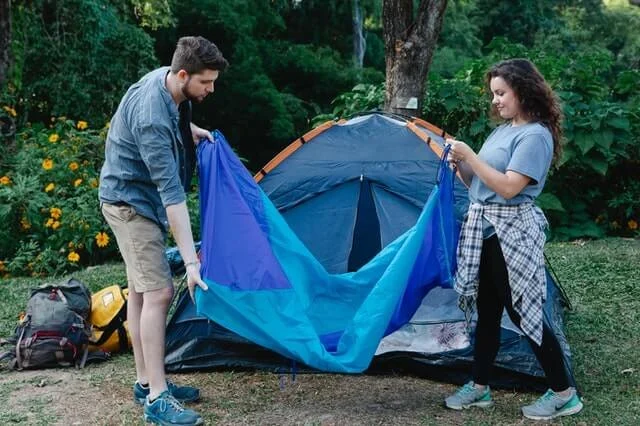
Make sure the rainfly aligns with the tent doors and ventilation panels. Many rainflies have a specific orientation that ensures proper coverage.
3.2 Use all guy lines
Guy lines help pull the rainfly away from the tent walls. This creates a slope that allows rainwater to drain away quickly.
3.3 Maintain proper tension
The rainfly should be tight enough to prevent sagging but not overly stretched. A loose rainfly can collect water and eventually leak.
3.4 Stake corners securely
Properly staking the rainfly keeps it stable during wind and prevents gaps where rain could enter.
4. Common Mistakes That Cause Tent Leaks
Many camping leaks happen not because of faulty gear but because of setup mistakes.
4.1 Rainfly touching the tent wall
If the rainfly rests directly against the tent fabric, rainwater can transfer through the material and leak inside.
4.2 Loose or uneven setup
An uneven rainfly creates pockets where water collects. Over time, this weight can stretch the fabric and cause leaks.
4.3 Ignoring wind direction
Positioning the tent door facing strong winds can allow rain to blow underneath the rainfly.
5. Real Camping Experience in Heavy Rain
A group of campers in Oregon once experienced a sudden overnight storm during a weekend trip. While most of the tents stayed dry, one camper woke up to puddles inside the tent.
The difference came down to setup technique. The campers who stayed dry had properly tightened their rainflies and secured all guy lines. The leaking tent had a loose rainfly that sagged and allowed water to pool on top.
This experience became a valuable lesson: careful setup is just as important as having quality camping gear.
6. Extra Weatherproofing Tips for Campers
Beyond rainfly setup, several additional techniques can improve your tent’s ability to stay dry.
6.1 Choose proper campsite positioning
Setting up your tent on slightly elevated ground prevents rainwater from flowing underneath the tent floor.
6.2 Use a ground footprint
A tent footprint adds an extra waterproof layer beneath the tent and protects the floor from moisture.
6.3 Apply waterproof treatments
Over time, rainflies may lose their waterproof coating. Periodic treatment with waterproof sprays can restore their effectiveness.
Camping preparation and proper gear setup can dramatically improve your outdoor experience. Learning rainfly setup tips to prevent leaks in your tent ensures that even during rainy weather, your shelter remains dry and comfortable.
For campers looking to improve their outdoor skills and find helpful camping insights, resources like Camping With Kayla offer valuable tips, gear advice, and practical outdoor knowledge that make every adventure more enjoyable.