Essential Safety Tips for Camping with Kids in Various Outdoor Settings
- -Understanding-Risks-in-Different-Outdoor-Environments
- -Preparing-the-Right-Gear-and-Supplies-for-Children
- -Establishing-Camping-Rules-and-Safety-Guidelines
- -Supervision-and-Communication-Strategies
- -Dealing-with-Wildlife-and-Natural-Hazards
- -Managing-Food,-Water,-and-Hygiene-Safety
- -Case-Examples-of-Safe-Family-Camping-Trips
- -Recommendations-from-Camping-With-Kayla-Experts
1. Understanding Risks in Different Outdoor Environments
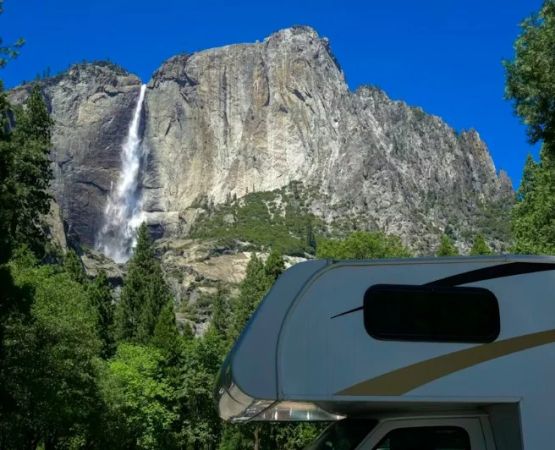
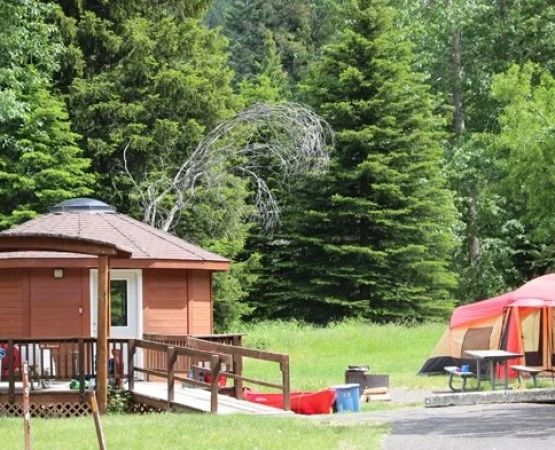
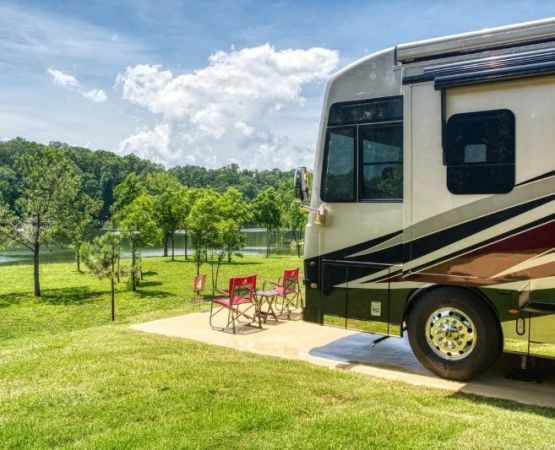
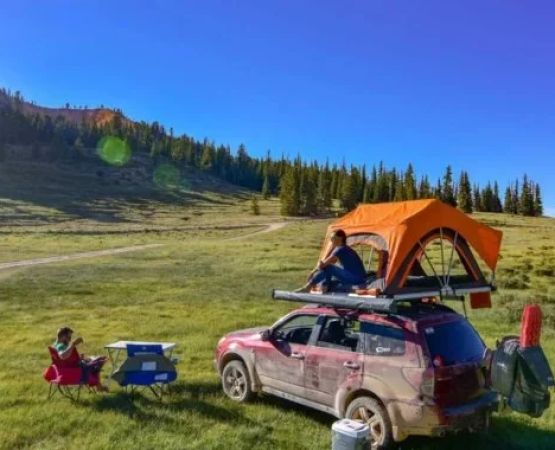
Camping areas vary, from forests and mountains to lakesides and deserts. Each environment has unique hazards such as uneven terrain, water bodies, insects, and sudden weather changes. Recognizing these risks helps plan activities and prevent accidents for children.
2. Preparing the Right Gear and Supplies for Children
Ensure each child has properly sized sleeping bags, weather-appropriate clothing, helmets for activities like biking or climbing, and personal safety items such as flashlights and whistles. A well-packed first-aid kit is essential for treating minor injuries promptly.
3. Establishing Camping Rules and Safety Guidelines
Before starting activities, explain safety rules clearly to children. Set boundaries for hiking trails, swimming areas, and campfire zones. Reinforce these guidelines through engaging games or role-playing to ensure kids remember them.
4. Supervision and Communication Strategies
Maintain constant supervision, especially in high-risk areas. Teach children to stay in sight and use buddy systems. Equip older children with walkie-talkies or simple hand signals to maintain communication in larger camping areas.
5. Dealing with Wildlife and Natural Hazards
Educate kids about local wildlife and how to behave safely around animals. Store food securely to prevent attracting wildlife. Discuss basic survival skills like avoiding poisonous plants and recognizing unsafe areas during hikes.
6. Managing Food, Water, and Hygiene Safety
Proper sanitation is crucial. Use clean containers for water and food, and encourage regular hand washing. Cook meals safely, supervise younger children while eating, and store leftovers properly to prevent foodborne illness.
7. Case Examples of Safe Family Camping Trips
Many families have successfully enjoyed outdoor adventures by combining preparation, structured activities, and safety measures. Observing these case studies helps in understanding practical approaches to keeping kids safe while having fun.
8. Recommendations from Camping With Kayla Experts
Camping With Kayla provides trusted advice and product recommendations for child-friendly camping. From selecting the right tents to educational safety tools, following these expert tips ensures a secure and enjoyable outdoor experience for the whole family.