- 1- The Importance of Pre-Trip Planning
- 2- Choosing the Right Camping Gear
- 3- How to Prepare for Camping Meals
- 4- Preparing for Unpredictable Weather
- 5- Setting Up Camp Like a Pro
- 6- Mastering the Campfire
- 7- Basic Camping Safety
- 8- Learning from Personal Experience
- 9- Recommended Camping Gear from Camping With Kayla
1- The Importance of Pre-Trip Planning
Before embarking on your first camping trip, it’s essential to plan ahead. Many new campers quickly realize that a lack of preparation can lead to discomfort and frustration. Start by researching your destination—understand the terrain, potential wildlife, weather patterns, and campsite rules. Knowing what to expect will make your trip more enjoyable and less stressful.
Make a checklist of essential camping gear and supplies. Remember to consider the duration of your trip, the number of campers, and the type of activities you’ll be doing. Whether you’re going solo or with family, a well-thought-out plan ensures a smoother, more successful experience.
2- Choosing the Right Camping Gear
One of the biggest lessons after your first camping trip is the importance of selecting the right camping gear. It’s not just about having the right tent—it’s about having gear that suits your needs and ensures comfort throughout your trip.
Key gear considerations:
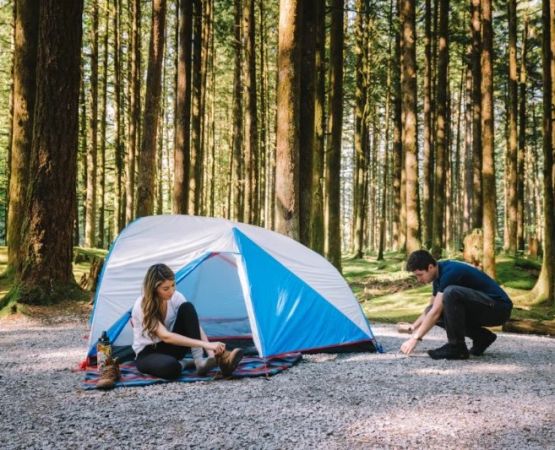
- Tent: Make sure your tent is the right size, waterproof, and easy to set up. Look for features like a vestibule for extra gear storage.
- Sleeping Bag: Choose a sleeping bag that matches the temperature range of the area you’re camping in. A bag that’s too warm or too cold can ruin your night’s sleep.
- Cooking Equipment: Consider a lightweight stove and portable cookware for easy meal prep. Don’t forget fuel and matches!
- Clothing: Pack moisture-wicking layers to stay dry and comfortable. Avoid cotton, as it retains moisture and takes a long time to dry.
Once you’ve tried camping for the first time, you’ll have a better idea of what gear you actually need for your specific style of camping, whether it’s backpacking or car camping.
3- How to Prepare for Camping Meals
Food preparation is often one of the most enjoyable (and sometimes tricky) aspects of camping. After your first trip, you’ll realize the importance of packing meals that are both easy to prepare and easy to store.
Some helpful tips for meal planning:
- Pre-Cook and Freeze: For a hassle-free camping trip, try pre-cooking meals and freezing them. This minimizes cooking time while at the campsite.
- Pack Non-Perishables: Stock up on non-perishable foods like canned beans, pasta, and trail mix. These items are easy to pack and can be used to create simple meals.
- Keep it Simple: Avoid overcomplicating meals. The simpler, the better—especially when cooking in unpredictable outdoor conditions.
As you gain more camping experience, you’ll discover which food items work best for your trips and how to prepare them efficiently.
4- Preparing for Unpredictable Weather
Weather can be one of the most unpredictable aspects of camping, and your first trip will likely teach you how crucial it is to be prepared for all conditions. Whether you’re facing rain, wind, or extreme heat, it’s essential to have the right clothing and gear to stay comfortable.
How to prepare for different weather conditions:
- Rain: Invest in waterproof gear, including jackets, pants, and tarps. A waterproof tent and rainfly will also keep you dry at night.
- Cold Weather: Pack thermal layers, a high-quality sleeping bag rated for low temperatures, and insulated gear to stay warm.
- Hot Weather: Stay cool by wearing light-colored, moisture-wicking clothes, and always carry plenty of water.
Being prepared for the weather can make or break your camping experience, so always pack for varying conditions.
5- Setting Up Camp Like a Pro
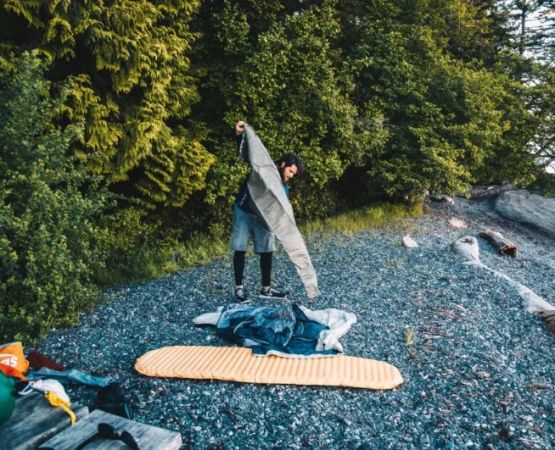
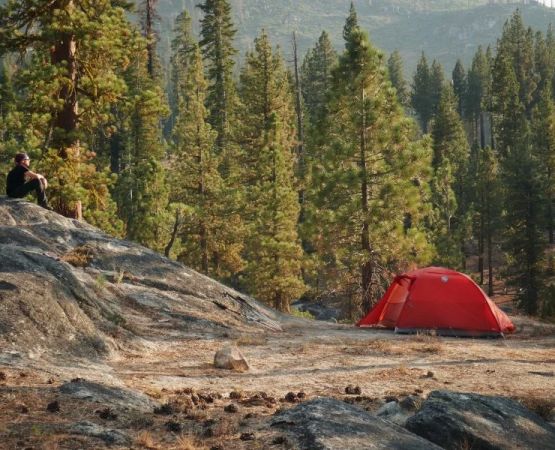
Setting up camp is another skill that you’ll get better at with experience. After your first trip, you’ll learn the importance of choosing a flat, dry spot to pitch your tent. Avoid setting up camp in low areas that may collect water during rain.
Essential tips for setting up your campsite:
- Use a Groundsheet: Lay down a groundsheet to protect your tent floor from moisture, dirt, and damage.
- Keep Gear Organized: Use a camp organizer or duffel bag to store your gear and avoid clutter.
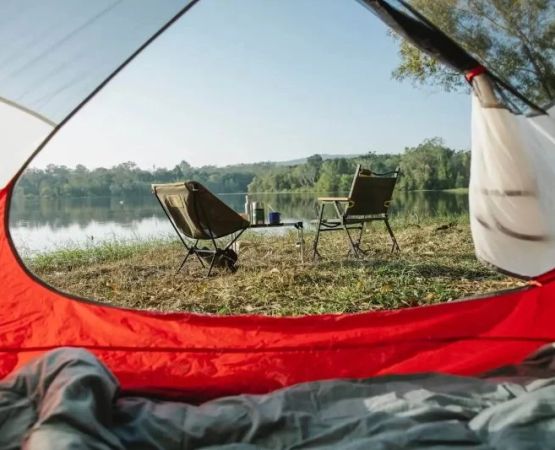
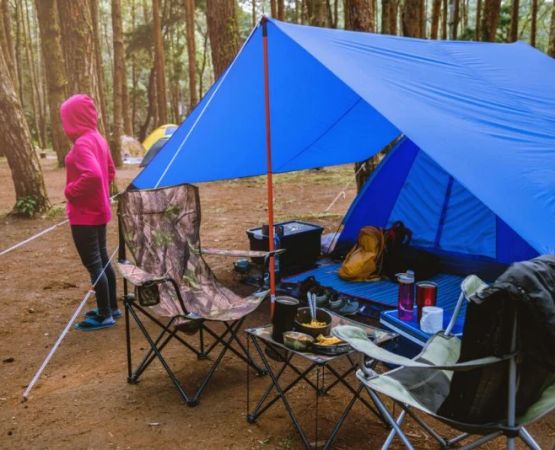
- Set up a Kitchen Area: If possible, set up a designated cooking and dining area separate from your sleeping quarters.
With each camping trip, you’ll get quicker and more efficient at setting up your camp, making your experience even more enjoyable.
6- Mastering the Campfire
After your first camping trip, you’ll realize that the campfire isn’t just for warmth—it’s also a place to cook, socialize, and enjoy the atmosphere. Learning how to start and maintain a campfire is a valuable skill that every camper should master.
Campfire tips for beginners:
- Gather Dry Wood: Make sure you have dry wood and kindling before you start your fire. Wet wood can be frustrating and difficult to burn.
- Build a Safe Fire: Always build your fire in a designated fire ring and make sure it’s fully extinguished before you leave the campsite.
- Use Fire Starters: Waterproof matches or fire starters will make it easier to get your fire going, even in damp conditions.
After a few trips, starting a campfire will become second nature, and you'll find that it enhances your overall camping experience.
7- Basic Camping Safety
Camping safety is something you’ll become more aware of after your first trip. From wildlife safety to knowing how to use a first-aid kit, safety should always be a priority during your adventures.
Important safety tips:
- Know the Area: Understand the wildlife and potential hazards in the area you’re camping in. Be aware of animals that could pose a threat, such as bears or snakes.
- Have a First-Aid Kit: Always carry a well-stocked first-aid kit and know how to use it. It’s essential to be prepared for minor injuries.
- Tell Someone Your Plans: Always inform someone about your trip details and expected return time.
By practicing these safety tips, you’ll feel more confident and secure during your camping trips.
8- Learning from Personal Experience
One of the best ways to improve your camping skills is by learning from your experiences. After each trip, take time to reflect on what went well and what could be improved. This process will help you become a more efficient and prepared camper in the future.
For example, maybe you learned that your sleeping bag was too hot, or you discovered that a certain piece of gear was unnecessary. Every camping trip provides valuable insights that make your next adventure even better.
9- Recommended Camping Gear from Camping With Kayla
If you're ready to upgrade your camping gear, visit Camping With Kayla for a wide selection of top-notch camping equipment. Whether you're looking for the perfect tent, cooking supplies, or safety gear, we’ve got you covered with products that enhance your outdoor experience.