- 1- Getting Started with National Park Camping
- 2- Understanding Permits and Regulations
- 3- Dealing with Wildlife in National Parks
- 4- Choosing the Best Campsites in National Parks
- 5- Hidden Challenges You Might Face While Camping
- 6- What to Know About Food and Cooking
- 7- Recommended Gear for National Park Camping from Camping With Kayla
1- Getting Started with National Park Camping
Camping in national parks is an unforgettable experience, but it's not always as straightforward as it seems. While many people are drawn to these parks for their natural beauty and the chance to disconnect, there are some things you won’t hear about until you’re already there. Whether you're a first-time camper or a seasoned adventurer, being prepared for the unique challenges of national park camping will make your trip much more enjoyable.
Start by choosing a national park that matches your interests and abilities. Some parks are more remote or rugged, while others are equipped with more amenities. Research the park’s facilities and terrain so you know what to expect. Don’t forget to check the weather, as conditions can change rapidly, especially in mountainous or desert areas.
2- Understanding Permits and Regulations
One of the first surprises many campers encounter is the need for permits and understanding national park regulations. While these parks are open to the public, certain activities (such as backcountry camping, fishing, or using campfires) require permits or have strict guidelines.
Important things to remember:
- Reservations: Some parks require reservations for campsites, especially during peak seasons. Be sure to book your spot well in advance to secure your campsite.
- Permit Fees: Many national parks charge a fee for entry, and additional fees may apply for specific activities. Always check the fee schedule before your trip.
- Rules for Wildlife: Parks often have specific rules to prevent human-wildlife interactions, such as keeping food sealed and using bear-resistant containers.
By understanding the necessary permits and regulations, you’ll avoid unexpected complications and ensure you have a hassle-free camping experience.
3- Dealing with Wildlife in National Parks
One of the biggest draws of national park camping is the opportunity to see wildlife up close. However, it's important to remember that these animals are wild, and encounters can sometimes be dangerous if you’re not prepared. Many first-time campers are caught off guard by how easily animals can be attracted to food or even the scent of personal hygiene products.
Wildlife safety tips:
- Keep a Safe Distance: Always maintain a safe distance from wildlife. Avoid approaching animals, even for a photo. Some animals may seem tame but can become aggressive if they feel threatened.
- Store Food Properly: Use bear-proof lockers or hang food high in trees to prevent animals like bears, raccoons, and squirrels from raiding your camp.
- Follow Park Guidelines: Follow the park's guidelines for wildlife safety. This might include specific instructions on using bear spray, handling food, or securing your tent.
By respecting wildlife and their natural habitats, you’ll reduce the risk of dangerous encounters while still enjoying the beauty of the animals around you.
4- Choosing the Best Campsites in National Parks
National parks offer a wide range of campsites, but not all are created equal. Some offer beautiful views, while others provide better access to trails or other activities. It’s important to choose a campsite that fits your preferences and experience level.
Things to consider when choosing a campsite:
- Proximity to Trails: If hiking is your main activity, choose a campsite that’s close to the trails you want to explore. Some sites are right by trailheads, making it easy to get up and go.
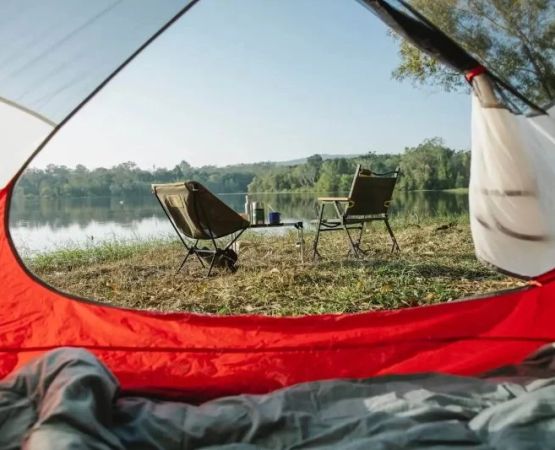
- Scenic Views: National parks are known for their beauty, so look for campsites that offer scenic views of the landscape or wildlife.
- Amenities: Some campgrounds come with amenities such as running water, showers, and restrooms, while others are more primitive. Know what you need for comfort before choosing a spot.
When you select a campsite based on your needs and interests, you’ll be able to make the most of your national park camping experience.
5- Hidden Challenges You Might Face While Camping
Even with all the beauty and excitement that national parks offer, there are some hidden challenges that can catch you off guard. Many first-time campers are unaware of the potential difficulties that can arise in remote or rugged areas.
Common camping challenges to look out for:
- Limited Cell Service: In remote areas, you may not have reliable cell service. It’s important to have a plan for communication in case of emergencies.
- Unpredictable Weather: Weather in national parks can change rapidly. Be prepared for rain, snow, or intense sun, depending on the region and season.
- Elevation and Terrain: If you're camping at high altitudes, be prepared for thinner air and potentially more strenuous hikes. Always take it slow and stay hydrated.
Understanding these hidden challenges will help you be more prepared for the realities of national park camping, allowing you to focus on enjoying your adventure.
6- What to Know About Food and Cooking
When camping in national parks, preparing meals can be a bit more challenging than at home. However, there are ways to make cooking simple and enjoyable, even in the wilderness.
Tips for cooking while camping:
- Bring Easy-to-Prepare Foods: Consider pre-packaged meals, dehydrated meals, or simple ingredients like pasta, rice, and canned goods that are easy to cook over a campfire or portable stove.
- Plan for Limited Cooking Supplies: Don’t bring elaborate cooking tools. A small portable stove, a pot, and basic utensils will get you through most meals.
- Don’t Forget the Snacks: High-energy snacks like trail mix, granola bars, and fruit are perfect for hiking or when you’re relaxing by the fire.
By sticking to simple, nutritious meals and snacks, you’ll stay energized without stressing over complicated cooking setups.
7- Recommended Gear from Camping With Kayla
If you’re ready to start your national park adventure, be sure to check out Camping With Kayla for the best gear to ensure your trip is both comfortable and safe. Our recommendations include:
- Portable Stoves: Lightweight and easy-to-use stoves for cooking your meals in the great outdoors.
- Waterproof Gear: Keep your gear dry with waterproof tents, bags, and rain jackets, ideal for any weather conditions.
- First-Aid Kits: Comprehensive kits for treating minor injuries and staying prepared in emergencies.
Visit Camping With Kayla to shop for essential gear and get ready for your unforgettable national park adventure!