- Understanding-the-Challenges-of-Winter-RV-Camping
- Essential-Gear-for-Winter-RV-Camping
- How-to-Stay-Warm-While-Camping-in-Cold-Weather
- Top-Winter-RV-Camping-Destinations-and-Tips
- Real-Life-Experiences-from-Winter-RV-Campers
- Where-to-Find-RV-Camping-Equipment-for-Cold-Weather
Understanding the Challenges of Winter RV Camping
Winter RV camping offers a unique and tranquil experience, but it’s not without its challenges. Cold-weather travel brings its own set of obstacles that require careful planning and preparation. From freezing temperatures to icy roads, understanding these challenges is key to having a safe and enjoyable RV camping trip during the winter months.
1. Low Temperatures and Snowfall
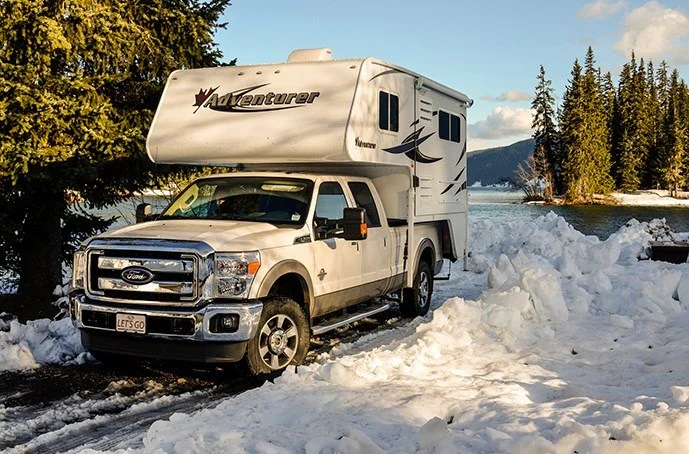
Winter camping means you’ll encounter cold temperatures, and in some cases, heavy snow. These conditions can create difficulties with vehicle performance, campsite accessibility, and staying warm inside your RV. It's essential to be prepared for potential snowstorms and freezing weather, especially if you plan to camp in mountainous or northern areas.
2. Limited Access to Amenities
Some RV parks or campgrounds may close during the winter months, or they might have limited facilities like running water or sewage systems. In many cases, you’ll be relying on your RV’s resources, such as propane for heat and water tanks for sanitation, so it’s crucial to know what amenities are available at your destination.
3. Maintenance and Safety Concerns
Cold weather can affect the functioning of your RV, particularly the water system, batteries, and tires. Ensuring that your RV is winter-ready before hitting the road is critical for avoiding breakdowns or complications while camping in colder climates.
Essential Gear for Winter RV Camping
When preparing for a winter RV trip, the right gear can make all the difference in ensuring a comfortable and safe experience. Here’s a rundown of essential equipment for cold-weather RV camping:
1. Insulated RV Skirting
One of the most important pieces of equipment for winter RV camping is insulated skirting. It helps prevent cold air from blowing underneath your RV, keeping the space warmer and reducing the load on your heating system. Skirting is available in various materials, including foam board and vinyl, and can be custom-fitted to your RV for maximum protection.
2. Space Heaters and Propane Heaters
Winter RV camping often requires extra heating to maintain comfort inside. While most RVs come with a built-in furnace, adding a space heater or propane heater can make a big difference. Electric heaters work well if you have access to shore power, but propane heaters are ideal for off-grid camping. Be sure to use a safe, vented heater to avoid any carbon monoxide buildup.
3. Winter RV Tires
Driving in winter conditions requires special attention to your RV’s tires. Make sure you have tires rated for cold weather, especially if you plan to drive in snow or icy conditions. Chains are also an option for added traction if you’re traveling through areas prone to heavy snowfall.
4. Water Tank Insulation and Heated Hoses
Freezing temperatures can cause your RV’s water tanks and pipes to freeze, which can lead to costly damage. To prevent this, consider using heated water hoses or insulating your water tanks with foam or reflective materials. Some RV owners also install heat tape around pipes to keep them warm during extreme cold spells.
How to Stay Warm While Camping in Cold Weather
Staying warm is one of the most important aspects of winter RV camping. Even if your RV is equipped with a heating system, additional strategies can help you stay cozy and comfortable during your cold-weather adventure.
1. Layer Up Your Clothing
Proper clothing is key to staying warm when camping in cold temperatures. Layering your clothing helps trap body heat and allows you to adjust to changing conditions. Start with moisture-wicking base layers, followed by insulating layers like fleece or down, and finish with a weather-resistant outer layer to protect against wind and snow.
2. Use Sleeping Bags Designed for Cold Weather
A sleeping bag rated for cold temperatures is essential for winter camping. Make sure your sleeping bag is rated for temperatures lower than the forecasted lows. For additional warmth, consider adding a sleeping pad beneath your bag to insulate you from the cold ground.
3. Seal Leaks and Drafts
Check for any drafts or leaks around your RV’s windows and doors. These small gaps can significantly reduce the effectiveness of your heating system. Use weatherstripping or foam tape to seal cracks, and consider using thermal curtains to add extra insulation to your windows at night.
4. Maximize Your Heating System
To stay warm inside your RV, make sure your heating system is working efficiently. If your RV uses a furnace, keep the vent areas clear of obstructions, and regularly check the propane levels to ensure you have enough fuel for the duration of your trip. It's also helpful to run a fan to circulate warm air throughout the RV.
Top Winter RV Camping Destinations and Tips
Winter RV camping offers a chance to explore stunning, snow-covered landscapes, but not all campgrounds are suitable for cold-weather travel. Here are some of the best winter RV camping destinations in the U.S. and some tips for each:
1. Yellowstone National Park
Yellowstone is an iconic winter RV destination known for its geothermal features and wildlife. The park is open year-round, but services are limited in the winter. Be sure to plan your trip carefully, check for road closures, and make reservations at campgrounds that are open during the season. You'll also want to be prepared for extremely cold temperatures and heavy snow.
2. Great Smoky Mountains, Tennessee
The Smokies are a great winter RV camping spot, offering scenic mountain views and peaceful surroundings. While the temperatures can dip below freezing, you’ll have access to winter hiking and the beauty of snow-covered peaks. Be sure to check road conditions in case of snow and ice, and pack accordingly for the cold weather.
3. Arizona's Desert RV Campgrounds
If you prefer milder winter temperatures, consider camping in Arizona’s desert regions, like Quartzsite or Joshua Tree. The winter months offer pleasant temperatures for outdoor activities like hiking and star-gazing. Arizona offers many campgrounds that cater to RVers, and the state’s relatively warm winter weather makes it a popular winter RV destination.
Real-Life Experiences from Winter RV Campers
Many winter RV campers share their experiences online, offering helpful tips and inspiring stories. One couple from Colorado shared their experience of camping in the snowy Rocky Mountains, where they used a portable propane heater and insulated skirting to keep their RV warm. They recommended bringing extra blankets, a portable generator, and plenty of winter-specific gear to ensure comfort during the chilly nights.
Another winter camper from Oregon spoke about their first winter camping trip to the Grand Canyon. Despite facing freezing temperatures and snow, they enjoyed the solitude and breathtaking winter scenery. They noted that proper preparation—especially for driving in snow—made all the difference in having a safe and enjoyable experience.
Where to Find RV Camping Equipment for Cold Weather
When preparing for a winter RV camping trip, finding the right gear is crucial. Many outdoor retailers and RV specialists offer winter camping equipment, including insulated water hoses, space heaters, and high-performance sleeping bags. You can also find winter-specific RV accessories, such as heated mats, at specialized stores or through online retailers like Camping With Kayla, which offers a wide selection of camping gear designed for cold-weather conditions.
By preparing well, using the right equipment, and following expert tips, you can enjoy the beauty and serenity of winter RV camping, no matter how cold it gets.