Understanding How Free Camping Actually Works in the US
- public-lands-basics - BLM land, national forests, state-managed areas
- dispersed-camping-rules - stay limits, distance rules, safety guidelines
- site-finding-strategy - maps, apps, ranger stations, offline navigation
- real-examples - traveler stories, seasonal access, hidden spots
If you’ve ever typed “free camping sites near me” while sitting in a packed campground or staring at overpriced RV park listings, you’re not alone. Learning how to find free camping sites in the US using public lands and dispersed camping rules opens up an entirely different style of travel—one that feels more flexible, more natural, and often more peaceful.
The United States has one of the largest public land systems in the world. Millions of acres managed by the Bureau of Land Management and the U.S. Forest Service are open for low-cost or completely free camping. But the key is understanding how these lands actually work and what rules apply before you set up camp.
What Counts as Free Camping on Public Lands
Breaking Down BLM Land and National Forest Access
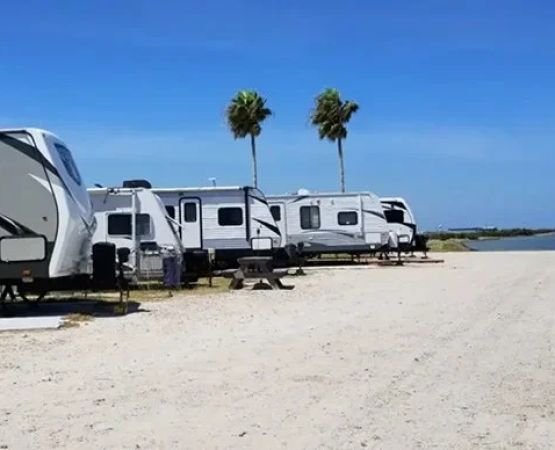
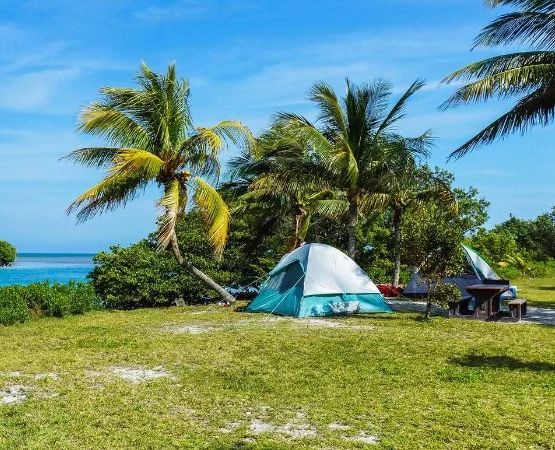
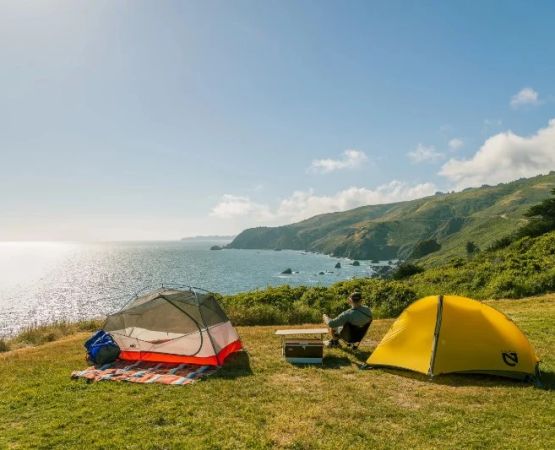
Free camping in the US is usually referred to as dispersed camping or boondocking. This means camping outside of designated campgrounds, often with no amenities like water, toilets, or trash service.
A common misconception is that all public land is automatically open for camping. In reality, each land agency has its own rules. Bureau of Land Management areas often allow up to 14 days of free camping in a single location, while national forests may have slightly different restrictions depending on the region.
One experienced traveler from Colorado once shared how they spent an entire summer moving between different national forest zones, never paying for a campsite once. Their success came from understanding boundaries—not just wandering randomly.
Understanding Dispersed Camping Rules Without Confusion
Distance, Duration, and Environmental Responsibility
Dispersed camping rules exist to protect both the land and campers. One of the most common requirements is staying a certain distance away from roads, water sources, and developed recreation areas.
In most BLM regions, you must camp at least 100–200 feet away from water sources like rivers or lakes. This protects fragile ecosystems and ensures water remains clean for wildlife and other visitors.
There is also a strict stay limit, typically 14 days within a 28-day period in many areas. This prevents long-term occupation and keeps public lands accessible for everyone.
Failing to follow these rules can lead to fines or being asked to move, which is why understanding them before your trip is essential.
Best Ways to Locate Free Camping Sites Efficiently
Digital Tools, Offline Maps, and Local Knowledge
Finding free camping sites in the US has become much easier thanks to technology. However, experienced campers still rely on a mix of digital and traditional methods.
Apps and map tools can help identify public land boundaries, but they are not always accurate down to the exact campsite. That’s why many seasoned travelers combine digital mapping with real-world scouting.
A popular method involves locating large stretches of BLM land and then driving slowly along access roads to find existing pull-offs or clearings that show signs of previous camping activity.
For more curated camping advice and gear recommendations, platforms like Camping With Kayla often help travelers prepare better setups for remote and off-grid stays.
Real Story: A First-Time Boondocker’s Surprise Discovery
When Planning Meets Flexibility in the Desert Southwest
A family from Texas once planned a short weekend trip to Arizona but couldn’t find any affordable campground availability near their destination. Instead of canceling, they explored nearby public land options.
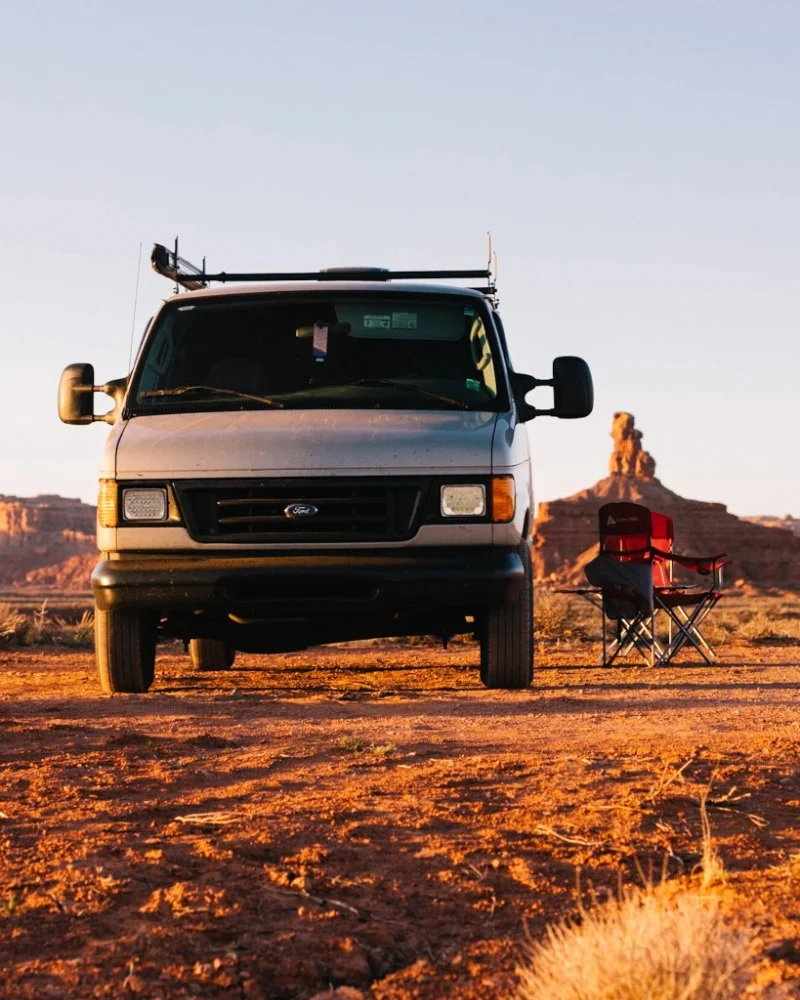
After researching dispersed camping rules, they found a stretch of BLM land just outside a popular national park. What they expected to be a “backup plan” turned into the highlight of their trip.
They described waking up to complete silence, no crowded neighbors, and a night sky filled with stars they had never seen in the city. That experience completely changed how they approached future travel.
Safety and Responsibility When Camping on Public Lands
Leave No Trace and Wildlife Awareness
Free camping is only sustainable if campers respect the environment. One of the most important principles is “Leave No Trace,” which means packing out everything you bring in.
Food storage is also critical. In many areas, wildlife such as bears, raccoons, and coyotes are attracted to human food. Improper storage can lead to dangerous encounters and harm to animals.
Fire restrictions vary widely depending on season and location. Some regions ban open flames entirely during dry months, so checking local regulations before arrival is essential.
Common Mistakes New Campers Make on Public Lands
What Often Goes Wrong and How to Avoid It
One of the biggest mistakes is assuming all public land allows camping. Certain protected areas, wildlife refuges, and private inholdings are off-limits.
Another frequent issue is arriving without enough water or fuel. Unlike developed campgrounds, dispersed sites do not offer services, which means preparation is everything.
A group of travelers in Utah once underestimated their water needs during a summer trip and had to cut their stay short. Since then, they always carry extra reserves and a backup plan for resupply points.
Building Confidence for Your First Free Camping Experience
Small Steps Before Going Fully Off-Grid
If you’re new to public lands camping, start with locations closer to established roads or near small towns. This gives you flexibility if you need supplies or want to adjust plans.
Gradually, as you become more comfortable with navigation, weather awareness, and gear setup, you can move deeper into remote dispersed camping areas.
Over time, many campers find that they prefer these quiet, low-cost sites over crowded campgrounds because of the sense of freedom they offer.
Why Public Land Camping Is Growing in Popularity
Cost Savings, Flexibility, and Outdoor Connection
With rising travel costs and increasing demand for outdoor experiences, more people are discovering the benefits of free camping in the US. It allows travelers to extend trips without increasing expenses significantly.
It also encourages a deeper connection with nature. Without resort amenities, campers often become more aware of their surroundings and more intentional about their travel habits.
For those exploring long-term outdoor living or road trips, understanding dispersed camping rules becomes a foundational skill that unlocks a much larger travel lifestyle.