- Why-Staying-Warm-Camping-Is-More-About-Strategy-Than-Expensive-Gear
- How-to-Stay-Warm-While-Camping-in-Cold-Weather-Without-Expensive-Gear-Core-Principles
- Layering-Techniques-That-Work-Better-Than-Buying-New-Equipment
- Real-Camping-Story-When-Smart-Habits-Beat-Freezing-Temperatures
- Sleeping-System-Hacks-for-Cold-Nights-in-the-Wild
- Fire-Food-and-Camp-Routines-That-Keep-Body-Heat-Up
- Budget-Friendly-Camping-Warmth-Tips-from-Camping-With-Kayla
Why Staying Warm Outdoors Is More About Knowledge Than Gear
Many people assume cold-weather camping requires expensive sleeping bags, high-end jackets, and technical gear that can cost hundreds of dollars. In reality, experienced campers know that warmth is often controlled more by behavior, timing, and layering strategy than by price tags.
The truth behind how to stay warm while camping in cold weather without expensive gear is simple: your body is a heat source, and your goal is to manage that heat efficiently. Once you understand how heat escapes—through moisture, wind, and poor insulation—you can fix most problems using everyday items and smart decisions.
Even beginner campers can dramatically improve comfort by adjusting habits rather than shopping for new equipment. This mindset shift is what separates struggling first-time campers from those who enjoy winter camping trips without fear.
Core Principles for Staying Warm Without Expensive Gear
Before diving into specific tricks, it helps to understand three foundational principles that control warmth outdoors: insulation, moisture control, and heat retention.
Insulation traps warm air close to your body. Moisture control prevents sweat or condensation from cooling you down. Heat retention ensures that the warmth you generate does not escape into the environment too quickly.
When campers ignore even one of these principles, discomfort increases quickly. That is why even expensive gear fails sometimes—because behavior matters just as much as equipment.
Layering Techniques That Outperform Expensive Clothing
One of the most effective cold weather camping tips is mastering layering. Instead of relying on one thick jacket, experienced campers use multiple lightweight layers that trap heat more efficiently.
The base layer should always keep moisture away from the skin. Cotton is often a mistake because it absorbs sweat and stays wet. Even simple synthetic athletic shirts work better than expensive but poorly chosen materials.
The middle layer is where insulation happens. A fleece hoodie or even a thick hoodie from home can work surprisingly well. The outer layer should block wind. Even a basic rain jacket can serve this purpose effectively if used correctly.
This system works because it allows you to adjust temperature dynamically. Overheating leads to sweating, and sweating leads to rapid cooling at night.
Real Camping Story: How a Cold Night Was Managed Without Fancy Gear
A group of beginner campers once planned a late autumn trip in a forested area where nighttime temperatures dropped unexpectedly below freezing. None of them owned professional winter sleeping bags or insulated tents.
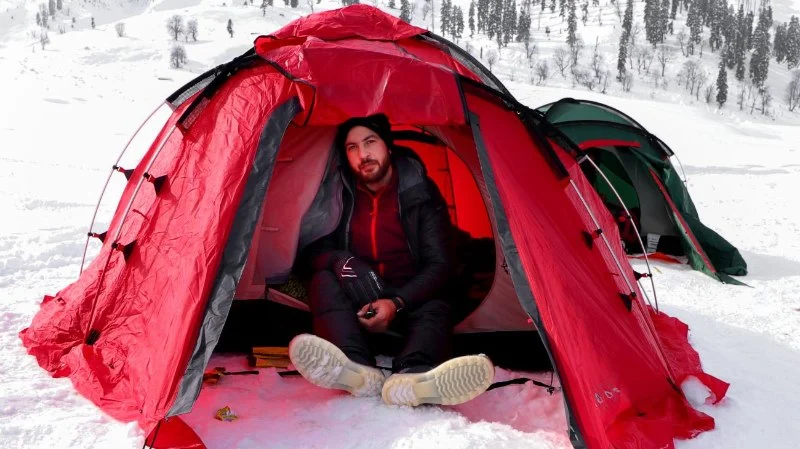
Instead of canceling the trip, they relied on simple strategies: layered clothing, dry spare socks, and shared body heat inside a tightly sealed tent. They also placed dry leaves and spare clothing under sleeping mats for insulation from the cold ground.
At first, they were skeptical that such basic methods would work. However, by midnight, the inside of the tent was noticeably warmer than expected. The key was not equipment—it was preparation and coordination.
This type of experience is common among campers who learn that survival comfort is often about adaptability rather than spending power.
Sleeping System Hacks That Make Cold Nights Manageable
Nighttime is where most cold weather camping challenges appear. The ground pulls heat away from your body much faster than air, so insulation underneath you is just as important as what you wear.
Even without expensive sleeping pads, campers can use layered solutions such as folded blankets, extra clothing, or natural materials like pine branches to create a buffer between the body and the ground.
Another overlooked trick is warming your sleeping space before bed. Light activity like walking or mild stretching inside the tent can raise body temperature slightly before settling down.
Keeping dry is essential. A single damp sock or shirt can reduce overall warmth significantly, even if the rest of your setup is effective.
Fire, Food, and Routine: The Hidden Heat Sources
Campfires are obvious sources of warmth, but they are often used incorrectly. Sitting too far away or failing to time exposure properly reduces their effectiveness.
A better strategy is to warm up near the fire before bed, then maintain residual body heat through insulation once inside the tent. This helps extend warmth without needing constant fire exposure.
Food also plays a role in maintaining body heat. High-energy snacks and warm meals increase internal heat production. Simple foods like oatmeal, soup, or even peanut butter-based snacks can make a noticeable difference.
Routine matters too. Staying active during early evening hours helps generate heat that carries into the night, reducing the shock of cold temperatures after sleep begins.
Budget-Friendly Camping Warmth Tips from Camping With Kayla
Many outdoor enthusiasts discover that the most effective advice often comes from experienced campers who prioritize practicality over gear obsession. Camping With Kayla emphasizes simple, repeatable habits that work across different environments.
One key recommendation is always preparing for temperatures slightly colder than forecasted. Weather can shift quickly, especially in mountainous or forested regions.
Another important habit is testing your sleep setup before the actual trip. Even one night of backyard practice can reveal weaknesses in layering or insulation strategies.
Small adjustments—like sealing tent gaps, keeping clothes dry in separate bags, or rotating warm items throughout the night—often make a bigger difference than expensive upgrades.
The underlying philosophy is clear: comfort in cold camping comes from awareness and planning, not from buying the most expensive equipment on the market.