18 Camping Tips to Avoid Common Outdoor Problems for Your Next Trip
Explore 18 essential camping tips that help you avoid common outdoor problems. Learn practical advice, safety strategies, and expert insights for a worry-free adventure.18 Camping Tips to Avoid Common Outdoor Problems for Your Next Trip-Planning-Your-Trip-#Planning-Your-Trip-Choosing-the-Right-Campsite-#Choosing-the-Right-Campsite-Gear-and-Equipment-#Gear-and-Equipment-Food-and-Water-Management-#Food-and-Water-Management-Weather-Preparation-#Weather-Preparation-Safety-and-First-Aid-#Safety-and-First-Aid-Wildlife-Considerations-#Wildlife-Considerations-Personal-Experience-and-Stories-#Personal-Experience-and-Stories1. Plan Your Camping Trip ThoroughlyPreparation is key to avoiding common outdoor problems. Before heading out, research the area, check for trail conditions, and familiarize yourself with the campsite rules. Creating a checklist can prevent forgetting essentials like maps, flashlights, or extra batteries. Planning also includes knowing the emergency contacts in the region and identifying nearby resources.1.1 Map Your Route and CampsiteUsing online maps or GPS apps ensures that you have a clear route to your destination. For example, one camper shared a story about getting lost because they skipped pre-mapping a hiking trail, highlighting how a few minutes of planning could save hours of frustration.1.2 Create a Packing ChecklistOrganizing your gear in advance reduces stress. Include items for sleeping, cooking, first aid, and clothing layers for different weather conditions. Consider consulting Camping With Kayla for recommendations on reliable gear suited for your adventure.2. Choose the Right CampsiteSelecting the right campsite can make a huge difference in comfort and safety. Look for level ground to pitch your tent, avoid areas prone to flooding, and consider wind direction. The proximity to water sources is convenient but be mindful of wildlife activity nearby.2.1 Evaluate Terrain and SurroundingsInspect the site for hazards such as unstable trees or rocky ground. Experienced campers often avoid low-lying areas that can collect rainwater overnight.2.2 Understand Campground RulesSome parks have restrictions on campfires, tent placement, or noise. Respecting these rules helps you avoid unexpected issues and ensures a safer experience for everyone.3. Gear and Equipment EssentialsHaving the right gear prevents many common camping problems. Quality tents, sleeping bags, and portable stoves can improve both comfort and safety.3.1 Choose Durable and Weather-Appropriate GearSelect gear based on expected temperatures and weather conditions. One camper shared that their lightweight tent collapsed during a sudden rainstorm, reinforcing the importance of investing in reliable equipment.3.2 Pack Multi-Purpose ItemsItems like a multi-tool, tarp, or rechargeable lantern serve multiple functions and reduce the need for excess packing.4. Manage Food and Water WiselyProper storage of food and water is crucial. Always use sealed containers and store food away from sleeping areas to prevent attracting wildlife. Hydration is also vital, so ensure you have access to clean water or carry purification methods.4.1 Plan Meals StrategicallyPre-planned meals reduce waste and save time. Freeze certain items beforehand to extend freshness during your trip.4.2 Water Purification TipsEven when water seems clean, purifying it with tablets, filters, or boiling prevents illness. Experienced campers often emphasize this step to avoid common digestive issues.5. Prepare for Changing WeatherWeather can change rapidly in outdoor environments. Pack layers, waterproof clothing, and know the local forecast. Bringing extra tarps and emergency blankets is also recommended to stay warm and dry.5.1 Monitor Weather UpdatesCheck updates daily and adjust your plans accordingly. One story from a hiker who ignored sudden thunderstorms underlines the importance of monitoring conditions closely.5.2 Pack for All ConditionsEven in summer, nights can be unexpectedly cold. Layering is essential, and having windproof jackets can prevent discomfort and hypothermia risks.6. Safety and First Aid MeasuresAccidents happen, but preparation reduces risk. Carry a first aid kit, know basic first aid techniques, and ensure someone knows your itinerary. Understanding local hazards, like poisonous plants or insects, further improves safety.6.1 Carry a Comprehensive First Aid KitInclude bandages, antiseptics, tweezers, and medications. Regularly check expiration dates and replace used items.6.2 Learn Basic First AidKnowing how to treat cuts, burns, or dehydration can be lifesaving. Many camping courses or online resources provide quick guides for beginners.7. Be Mindful of WildlifeEncounters with wildlife can be thrilling but dangerous. Store food securely, avoid feeding animals, and maintain a safe distance. Respecting the ecosystem ensures both safety and conservation.7.1 Avoid Attracting AnimalsUse sealed containers and avoid scented products that can lure curious animals. Experienced campers emphasize this precaution to prevent nighttime disturbances.7.2 Observe Wildlife ResponsiblyAdmire animals from afar. One camper shared their excitement seeing deer near their campsite without causing any harm, showing how careful observation enhances the experience safely.8. Personal Experience and StoriesMany campers share stories about learning the hard way. For instance, a novice camper once forgot waterproof shoes, leading to soggy discomfort during morning hikes. By consulting Camping With Kayla, they discovered essential gear recommendations that prevented future mishaps. Stories like these highlight the importance of preparation, gear selection, and following expert advice for a smooth and enjoyable camping experience.
- -Planning-Your-Trip-#Planning-Your-Trip
- -Choosing-the-Right-Campsite-#Choosing-the-Right-Campsite
- -Gear-and-Equipment-#Gear-and-Equipment
- -Food-and-Water-Management-#Food-and-Water-Management
- -Weather-Preparation-#Weather-Preparation
- -Safety-and-First-Aid-#Safety-and-First-Aid
- -Wildlife-Considerations-#Wildlife-Considerations
- -Personal-Experience-and-Stories-#Personal-Experience-and-Stories
1. Plan Your Camping Trip Thoroughly
Preparation is key to avoiding common outdoor problems. Before heading out, research the area, check for trail conditions, and familiarize yourself with the campsite rules. Creating a checklist can prevent forgetting essentials like maps, flashlights, or extra batteries. Planning also includes knowing the emergency contacts in the region and identifying nearby resources.
1.1 Map Your Route and Campsite
Using online maps or GPS apps ensures that you have a clear route to your destination. For example, one camper shared a story about getting lost because they skipped pre-mapping a hiking trail, highlighting how a few minutes of planning could save hours of frustration.
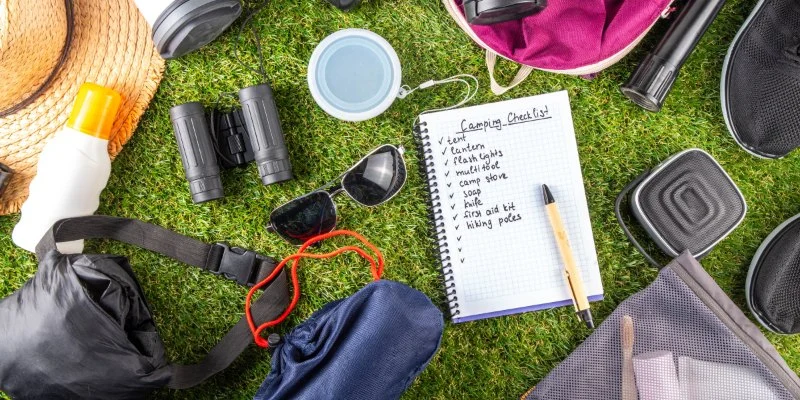
1.2 Create a Packing Checklist
Organizing your gear in advance reduces stress. Include items for sleeping, cooking, first aid, and clothing layers for different weather conditions. Consider consulting Camping With Kayla for recommendations on reliable gear suited for your adventure.
2. Choose the Right Campsite
Selecting the right campsite can make a huge difference in comfort and safety. Look for level ground to pitch your tent, avoid areas prone to flooding, and consider wind direction. The proximity to water sources is convenient but be mindful of wildlife activity nearby.
2.1 Evaluate Terrain and Surroundings
Inspect the site for hazards such as unstable trees or rocky ground. Experienced campers often avoid low-lying areas that can collect rainwater overnight.
2.2 Understand Campground Rules
Some parks have restrictions on campfires, tent placement, or noise. Respecting these rules helps you avoid unexpected issues and ensures a safer experience for everyone.
3. Gear and Equipment Essentials
Having the right gear prevents many common camping problems. Quality tents, sleeping bags, and portable stoves can improve both comfort and safety.
3.1 Choose Durable and Weather-Appropriate Gear
Select gear based on expected temperatures and weather conditions. One camper shared that their lightweight tent collapsed during a sudden rainstorm, reinforcing the importance of investing in reliable equipment.
3.2 Pack Multi-Purpose Items
Items like a multi-tool, tarp, or rechargeable lantern serve multiple functions and reduce the need for excess packing.
4. Manage Food and Water Wisely
Proper storage of food and water is crucial. Always use sealed containers and store food away from sleeping areas to prevent attracting wildlife. Hydration is also vital, so ensure you have access to clean water or carry purification methods.
4.1 Plan Meals Strategically
Pre-planned meals reduce waste and save time. Freeze certain items beforehand to extend freshness during your trip.
4.2 Water Purification Tips
Even when water seems clean, purifying it with tablets, filters, or boiling prevents illness. Experienced campers often emphasize this step to avoid common digestive issues.
5. Prepare for Changing Weather
Weather can change rapidly in outdoor environments. Pack layers, waterproof clothing, and know the local forecast. Bringing extra tarps and emergency blankets is also recommended to stay warm and dry.
5.1 Monitor Weather Updates
Check updates daily and adjust your plans accordingly. One story from a hiker who ignored sudden thunderstorms underlines the importance of monitoring conditions closely.
5.2 Pack for All Conditions
Even in summer, nights can be unexpectedly cold. Layering is essential, and having windproof jackets can prevent discomfort and hypothermia risks.
6. Safety and First Aid Measures
Accidents happen, but preparation reduces risk. Carry a first aid kit, know basic first aid techniques, and ensure someone knows your itinerary. Understanding local hazards, like poisonous plants or insects, further improves safety.
6.1 Carry a Comprehensive First Aid Kit
Include bandages, antiseptics, tweezers, and medications. Regularly check expiration dates and replace used items.
6.2 Learn Basic First Aid
Knowing how to treat cuts, burns, or dehydration can be lifesaving. Many camping courses or online resources provide quick guides for beginners.
7. Be Mindful of Wildlife
Encounters with wildlife can be thrilling but dangerous. Store food securely, avoid feeding animals, and maintain a safe distance. Respecting the ecosystem ensures both safety and conservation.
7.1 Avoid Attracting Animals
Use sealed containers and avoid scented products that can lure curious animals. Experienced campers emphasize this precaution to prevent nighttime disturbances.
7.2 Observe Wildlife Responsibly
Admire animals from afar. One camper shared their excitement seeing deer near their campsite without causing any harm, showing how careful observation enhances the experience safely.
8. Personal Experience and Stories
Many campers share stories about learning the hard way. For instance, a novice camper once forgot waterproof shoes, leading to soggy discomfort during morning hikes. By consulting Camping With Kayla, they discovered essential gear recommendations that prevented future mishaps. Stories like these highlight the importance of preparation, gear selection, and following expert advice for a smooth and enjoyable camping experience.