- 1. Start Small: Choose a Nearby Campground
- 2. Invest in Quality Gear
- 3. Learn Basic Survival Skills
- 4. Plan Your Meals Ahead of Time
- 5. Practice Setting Up Your Tent
- 6. Prepare for the Weather
- 7. Keep Your Campsite Clean
- 8. Learn to Use a Compass and Map
- 9. Stay Hydrated and Bring Water Filters
- 10. Pack a First-Aid Kit
- 11. Understand Wildlife Safety
- 12. Use Natural Lighting for Your Tent
- 13. Always Leave No Trace
- 14. Be Prepared for Campfire Cooking
- 15. Know the Rules of Campfire Safety
- 16. Pack Extra Layers and Rain Gear
- 17. Choose the Right Sleeping Bag
- 18. Practice Camping with Friends First
- 19. Set Up Your Tent Before Dark
- 20. Keep Track of Emergency Contacts
- 21. Learn How to Start a Fire
- 22. Don’t Forget Bug Repellent
- 23. Know How to Handle Camp Stoves
- 24. Be Respectful of Quiet Hours
- 25. Keep Your Gear Organized
1. Start Small: Choose a Nearby Campground
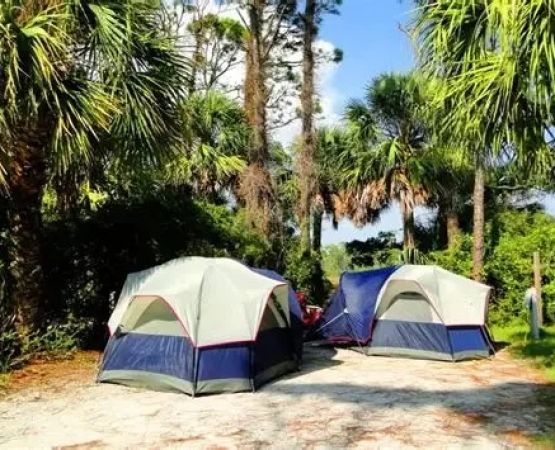
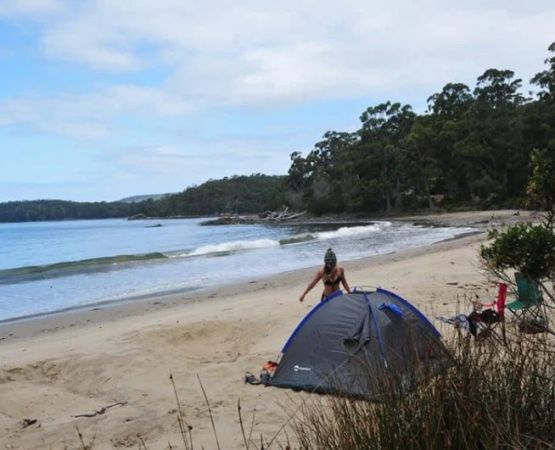
If you’re new to camping, it’s best to start with a nearby, easily accessible campground. This reduces the chance of feeling overwhelmed and allows you to get accustomed to the basics of outdoor living without straying too far from help.
2. Invest in Quality Gear
Good quality camping gear can make a huge difference in your comfort and safety. Invest in items like a reliable tent, sleeping bag, and stove. You don’t have to break the bank, but buying durable gear will ensure that it lasts longer and performs better.
3. Learn Basic Survival Skills
Before heading into the wild, it's essential to understand basic survival skills. Learn how to build a shelter, start a fire, and signal for help if necessary. These skills will give you the confidence to handle unexpected situations during your trip.
4. Plan Your Meals Ahead of Time
Planning your meals ahead of time will save you time and energy while camping. Bring easy-to-cook meals that require minimal preparation, and make sure to pack enough food to last the entire trip. Consider meals that are light but nutritious.
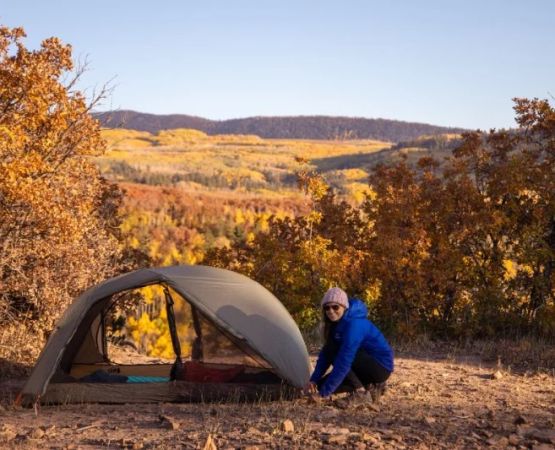
5. Practice Setting Up Your Tent
Setting up a tent in the dark or when you’re tired can be frustrating. Practice setting it up at home before you go camping so you know exactly what to do when you arrive at your campsite.
6. Prepare for the Weather
Weather can change unexpectedly, so be prepared for all conditions. Bring layers of clothing, a rain jacket, and a weather-appropriate sleeping bag. Keep an eye on the forecast and adjust your plans if necessary.
7. Keep Your Campsite Clean
Keeping your campsite clean is not only respectful to nature, but it also helps prevent attracting wildlife. Clean up after meals, dispose of trash properly, and avoid leaving food out in the open.
8. Learn to Use a Compass and Map
While GPS is convenient, learning to navigate with a compass and map is a valuable skill. Being able to read a map and orient yourself in the wilderness can prevent you from getting lost.
9. Stay Hydrated and Bring Water Filters
Bring plenty of water for your trip, and consider packing a portable water filter in case you need to refill your bottles from a natural water source. Staying hydrated is key to maintaining energy and staying healthy while camping.
10. Pack a First-Aid Kit
A well-stocked first-aid kit is essential for any camping trip. Make sure it includes bandages, antiseptic wipes, pain relievers, and any necessary personal medications. It’s always better to be prepared for minor injuries or illnesses.
11. Understand Wildlife Safety
Be aware of the local wildlife in the area where you’ll be camping. Understand what to do if you encounter dangerous animals like bears or snakes, and take precautions to avoid attracting wildlife to your campsite.
12. Use Natural Lighting for Your Tent
During the day, open the flaps of your tent to let in natural light. This will keep your tent from feeling stuffy and help you feel more connected to the outdoors.
13. Always Leave No Trace
Practice the Leave No Trace principles to minimize your environmental impact. Pack out everything you bring in, stay on designated trails, and avoid damaging plants and wildlife.
14. Be Prepared for Campfire Cooking
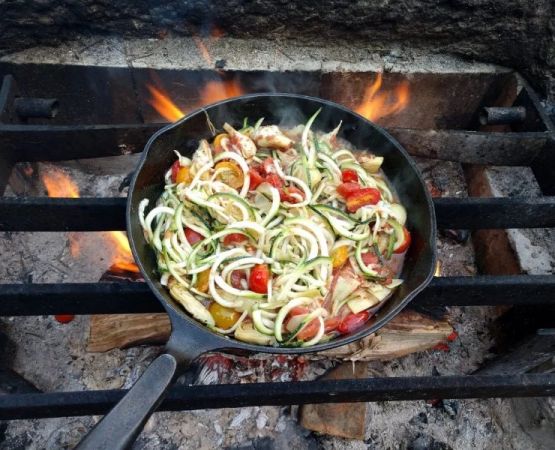
Campfire cooking can be one of the highlights of your trip, but it requires some practice. Learn how to build and maintain a safe fire, and bring simple cooking tools to prepare your meals.
15. Know the Rules of Campfire Safety
Campfires can be dangerous if not handled properly. Always check local regulations, never leave a fire unattended, and make sure to completely extinguish the fire before leaving the site.
16. Pack Extra Layers and Rain Gear
Temperature can drop significantly at night, and rain can catch you off guard. Always pack extra layers and a waterproof jacket to stay comfortable during unpredictable weather conditions.
17. Choose the Right Sleeping Bag
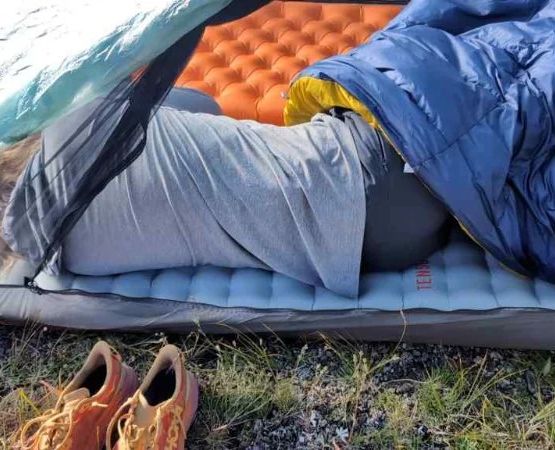
Your sleeping bag is crucial to staying comfortable while camping. Make sure to choose one that’s rated for the temperatures you’ll encounter and offers enough insulation for a restful night.
18. Practice Camping with Friends First
If you’re new to camping, it’s helpful to practice with friends before going on your first solo trip. They can help guide you through the process, and it will make you feel more comfortable with the camping experience.
19. Set Up Your Tent Before Dark
It’s always a good idea to set up your tent before dark so you’re not fumbling around in the dark. This gives you enough time to get comfortable and ensures you’re settled before it gets too late.
20. Keep Track of Emergency Contacts
Before leaving for your camping trip, make sure someone knows your itinerary and the location of your campsite. Keep emergency contact information handy in case you need it.
21. Learn How to Start a Fire
Learning how to start a fire is one of the most important skills for a camper. Practice building fires with different materials, and always carry waterproof matches or a lighter.
22. Don’t Forget Bug Repellent
Keep bugs at bay with insect repellent or by wearing long sleeves and pants. Insects like mosquitoes can ruin your camping experience, so make sure to prepare beforehand.
23. Know How to Handle Camp Stoves
Camp stoves are an easy way to cook outdoors, but they require care and attention. Learn how to safely operate and maintain your stove to prevent accidents.
24. Be Respectful of Quiet Hours
Respecting quiet hours at campgrounds is important for a peaceful experience. Keep noise levels to a minimum, especially during the night, to avoid disturbing other campers.
25. Keep Your Gear Organized
Keeping your camping gear organized will save you time and frustration. Use storage bins, bags, or a checklist to ensure that everything is packed and ready to go when you need it.