1. Don't Overpack or Underpack
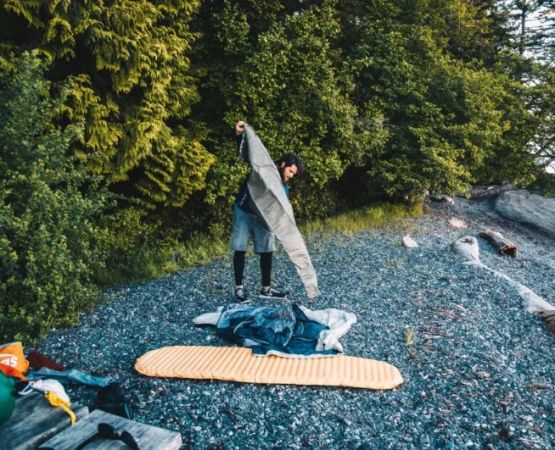
One of the most common rookie mistakes is either overpacking or underpacking. As a beginner, it's easy to either bring too much or forget the essentials. Overpacking can weigh you down and leave you with unnecessary items that you never use, while underpacking can leave you without key necessities like a first aid kit or sufficient clothing.
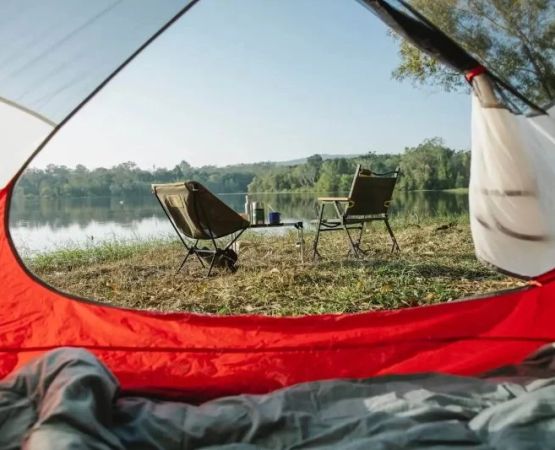
The key is to pack smart. Plan your gear based on the weather, the type of camping you’re doing, and the duration of your trip. Always create a checklist to ensure you’ve covered the basics, such as a tent, sleeping bag, food, water, and proper clothing. Also, think about lightweight alternatives for things like cooking equipment and camping chairs, which will help keep your pack manageable.
2. Be Prepared for Weather Changes
Weather can be unpredictable, and one of the rookie camping mistakes is not being prepared for sudden shifts in temperature or unexpected rain. It’s easy to assume that the forecast will hold, but nature has its own plan.
Make sure to pack clothing layers that you can add or remove as needed. A lightweight, waterproof jacket is always a good idea, and make sure you bring extra socks and a warm hat, especially if you're camping in cooler climates. If you're camping in a hot environment, don't forget sunscreen and plenty of water. Always check the forecast right before your trip, but remember that being ready for the unexpected is key to a successful camping experience.
3. Know How to Set Up Your Tent
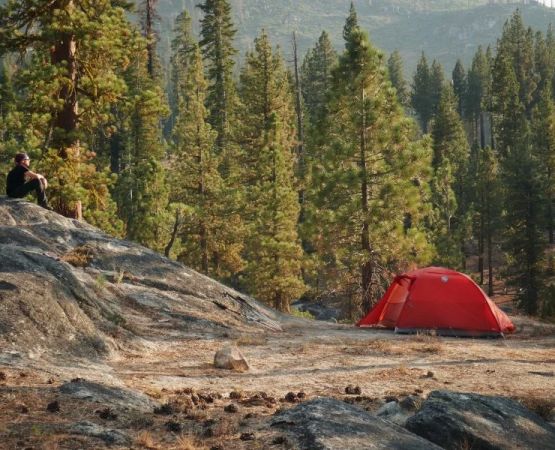
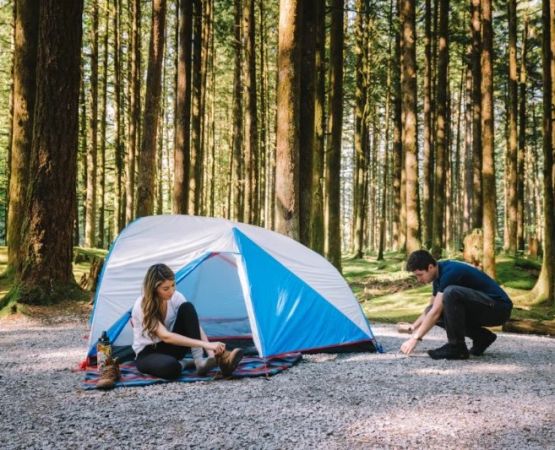
Setting up your tent may seem simple, but many beginners fail to properly assemble it, leading to frustration later. I remember my first camping trip, where I struggled to set up the tent and wasted valuable daylight. It didn’t help that I didn't practice setting it up before the trip!
Always practice setting up your tent before the trip, especially if it’s a new one. This will ensure you know how to put it together quickly, even in bad weather. A poorly set-up tent could lead to discomfort during the night, especially if you’re not able to secure it properly or it becomes flooded due to incorrect placement.
4. Keep Your Food Safe
Another rookie mistake is failing to store food properly, which can attract animals and ruin your trip. I once left a bag of snacks in my tent, and a raccoon got into it during the night, making a mess and ruining the experience. Keeping food safe is essential to avoid encounters with wildlife and to prevent contamination.
Use bear-proof containers or hang food in a tree away from your campsite. Always store food away from your tent and be mindful of any food scraps. Consider prepping meals ahead of time to avoid food waste or food-related problems at the campsite.
5. Stay Hydrated and Know Your Water Sources
One of the most common rookie camping mistakes is underestimating how much water you need. On my first camping trip, I didn't bring enough water for hiking and ended up getting dehydrated, which made the experience unpleasant. It’s easy to overlook, but staying hydrated is crucial when you’re in the wilderness.
Always bring enough water, especially if you’re camping in hot weather or engaging in physically demanding activities. If you plan to rely on natural water sources, make sure to purify the water with a filter or purification tablets before drinking. Never assume that water from lakes or streams is safe to drink without treatment.
6. Respect the Environment: Leave No Trace
Respecting nature is an important part of camping. Unfortunately, many rookie campers don’t realize the long-lasting effects they can have on the environment by leaving trash behind, starting fires in unsafe locations, or disturbing wildlife. One of the biggest lessons I learned was the importance of following the "Leave No Trace" principles to minimize your environmental impact.
Always pack out what you pack in, stay on designated trails, and never disturb wildlife. Use established fire pits for campfires, and be sure to properly extinguish your fire when you're done. By respecting nature, you help preserve the camping experience for others and protect the environment for future generations.
7. Have a Backup Plan for Emergencies
Emergencies can happen, even on the most well-planned trips. One of the rookie mistakes I made was not having a backup plan in case something went wrong. On one trip, I sprained my ankle while hiking and didn’t have a clear exit strategy. I was lucky that I had help nearby, but it taught me to always have a plan in place.
Before you head out, make sure to tell someone your plans, including the route you’ll take and your expected return time. Bring a first aid kit, and know how to use the items inside. Keep your phone charged or bring a portable charger, and consider carrying a satellite phone or emergency beacon if you're going far off the beaten path. Having a plan will give you peace of mind and help you stay safe.
8. Recommended Gear from Camping With Kayla
To make sure you’re fully prepared and avoid rookie camping mistakes, check out Camping With Kayla for top-quality camping gear. They offer a wide range of essentials, from tents to hiking gear, and provide expert advice on the best camping products to make your trip stress-free and enjoyable. Don’t risk forgetting something important—make sure you have all the right gear before heading out!