Essential Tips for Picking the Perfect Campground Near You
- 1-Assess Your Camping Needs
- 2-Research the Location and Accessibility
- 3-Consider Amenities and Facilities
- 4-Read Reviews and Gather Feedback
- 5-Check Seasonal Factors and Weather
- 6-Plan Activities and Nearby Attractions
- 7-Real-Life Experiences of Campers
- 8-Expert Advice for Stress-Free Camping
- 9-Preparation Tips Before Your Trip
1. Assess Your Camping Needs
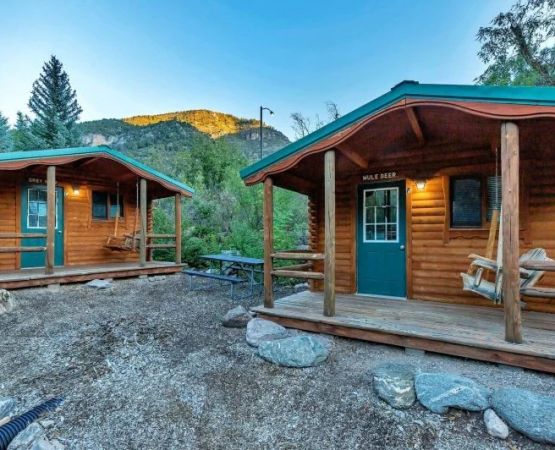
Before choosing a campground, it’s crucial to understand the type of camping experience you want. Are you planning a family trip with kids, a solo adventure, or a group outing? Consider the size of your group, the type of camping gear you have, and whether you prefer tent camping, RV camping, or cabin accommodations. Understanding these needs helps narrow down the best options and ensures a comfortable and enjoyable trip.
2. Research the Location and Accessibility
2.1 Proximity to Your Home
Choosing a campground near you reduces travel time and stress, allowing more time to enjoy your stay. Search for campgrounds within a reasonable driving distance while considering scenic routes or interesting stops along the way.
2.2 Accessibility
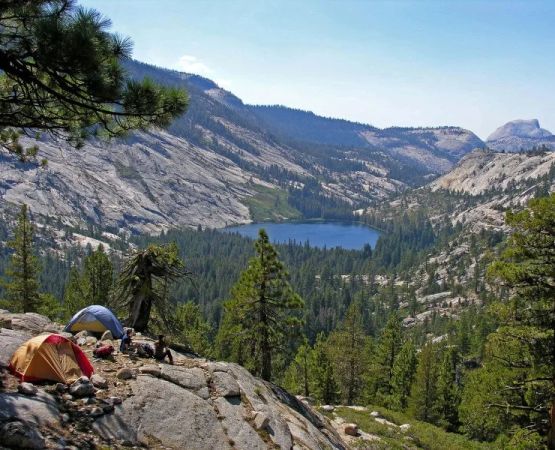
Check whether the campground is easily accessible by your vehicle type. Some remote campgrounds may require 4x4 vehicles or long hikes to reach, which may not suit everyone’s needs. Ensure that road conditions, parking, and entry points match your requirements.
3. Consider Amenities and Facilities
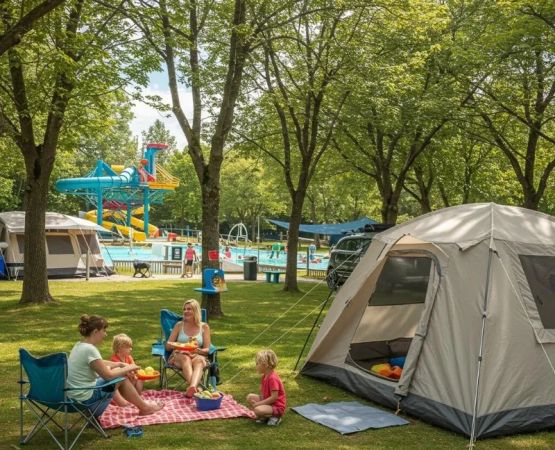
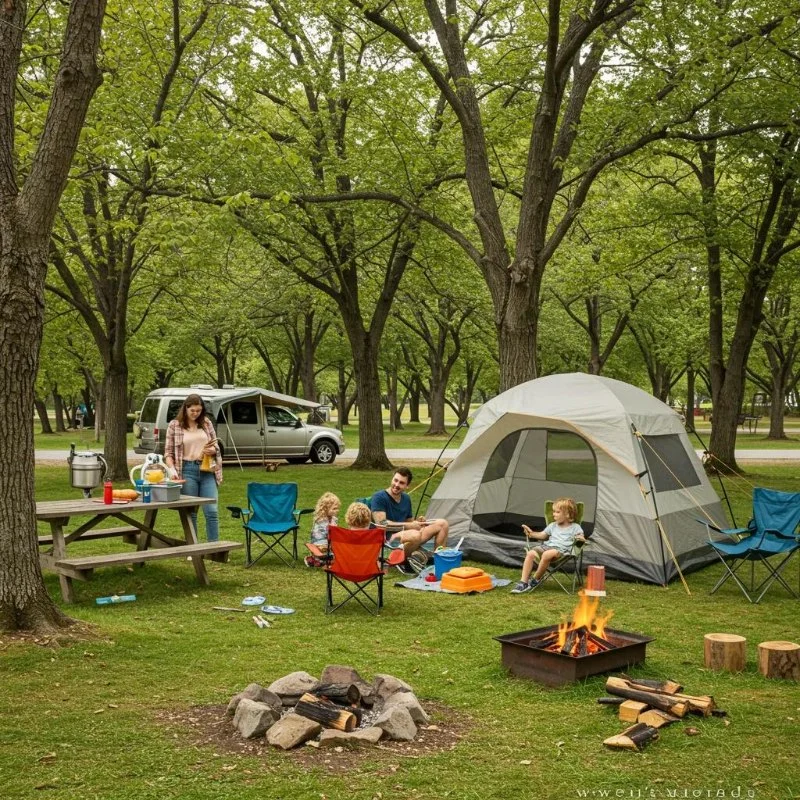
Campground amenities can make a big difference in your comfort level. Look for essential facilities such as clean restrooms, potable water, picnic areas, and fire pits. If you have children or pets, additional amenities like playgrounds, dog-friendly areas, and hiking trails can enhance your experience. Some campgrounds also provide electrical hookups, showers, or Wi-Fi for those who prefer modern conveniences.
4. Read Reviews and Gather Feedback
Online reviews and community feedback provide valuable insights into campground quality. Websites, social media groups, and travel forums can reveal issues such as noise levels, overcrowding, maintenance problems, or safety concerns. Pay attention to recurring comments to identify campgrounds that consistently meet campers’ expectations.
5. Check Seasonal Factors and Weather
Understanding the seasonal patterns and weather conditions is essential for a stress-free camping experience. Some campgrounds may close during winter or have limited services. Research the best time to visit for activities like fishing, hiking, or wildlife spotting. Always check weather forecasts and pack accordingly to ensure safety and comfort.
6. Plan Activities and Nearby Attractions
A well-chosen campground can offer more than just a place to sleep. Consider nearby hiking trails, lakes, rivers, or cultural sites. Planning activities beforehand helps you maximize your time outdoors and creates memorable experiences. Campgrounds near national parks or scenic areas often provide access to unique adventures while maintaining a peaceful environment.
7. Real-Life Experiences of Campers
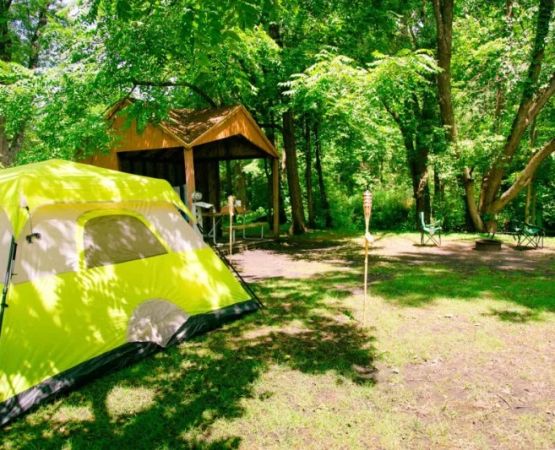
Jessica, a camping enthusiast from Colorado, shared that her best experience came from selecting a campground near a river with shaded areas for tents and a short trail to a nearby waterfall. Another family reported that choosing a campground with electrical hookups and playgrounds for kids made their weekend stress-free and enjoyable. These real-life examples emphasize the importance of aligning campground features with personal needs.
8. Expert Advice for Stress-Free Camping
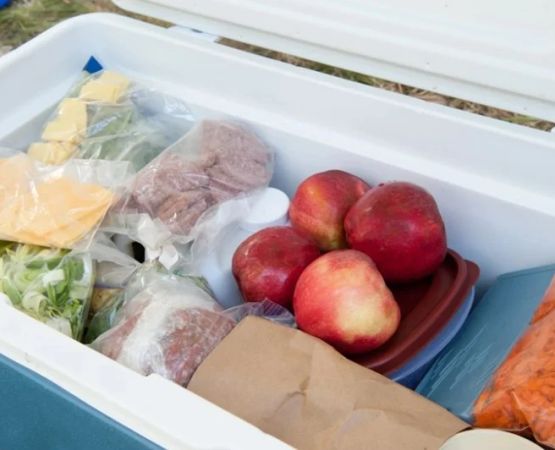
Experts recommend visiting campground websites and contacting staff directly for detailed information. Verify reservations, check rules regarding pets or fires, and ask about seasonal restrictions. Seasoned campers suggest creating a checklist for essentials like water, food, first-aid kits, and camping tools. Professional advice ensures you are prepared and reduces potential surprises during your stay.
9. Preparation Tips Before Your Trip
Preparation is key to a successful camping trip. Make a detailed itinerary, pack according to the season, and include backup options for bad weather. Ensuring your tent, sleeping bags, and cooking equipment are in good condition will save time and frustration. For recommended camping gear, helpful guides, and the latest campground reviews, visit Camping With Kayla. This resource helps you find the best campground near you and ensures a relaxing and enjoyable outdoor experience for the whole family.