Weekend Camping Planning Tips: Pack Smart and Enjoy More
- - How-to-Plan-a-Weekend-Camping-Trip-Without-Overpacking-or-Forgetting-Essentials
- - Choosing-the-Right-Campsite-for-a-Short-Trip
- - Creating-an-Efficient-Camping-Packing-List
- - Prioritizing-Essential-Gear-and-Personal-Items
- - Clothing-and-Layering-Tips-for-Weekend-Camping
- - Food-and-Cooking-Strategies-for-Lightweight Packing
- - Organizing-and-Packing-for-Ease-of-Use
- - Practical-Safety-and-First-Aid-Considerations
- - Real-Life-Stories-of-Weekend-Camping-Planning
- - Maintaining-Flexibility-and-Minimizing-Stress-During-Trip
How to Plan a Weekend Camping Trip Without Overpacking or Forgetting Essentials
Planning a weekend camping trip can be exciting but also a little overwhelming, especially if you’re worried about overpacking or forgetting key items. The goal is to enjoy nature without the burden of unnecessary gear. By carefully considering your campsite, the duration, and your planned activities, you can pack efficiently and make the most of your short outdoor getaway.
Choosing the Right Campsite for a Short Trip
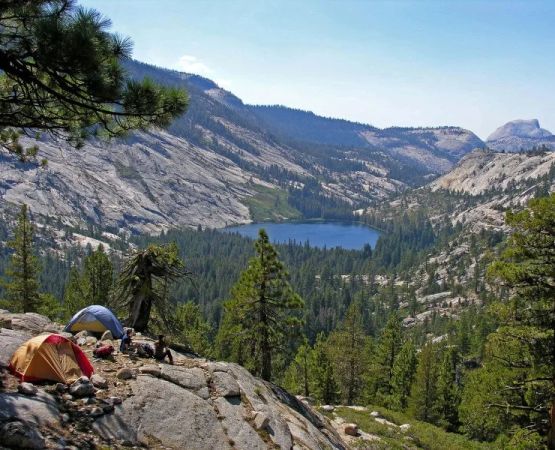
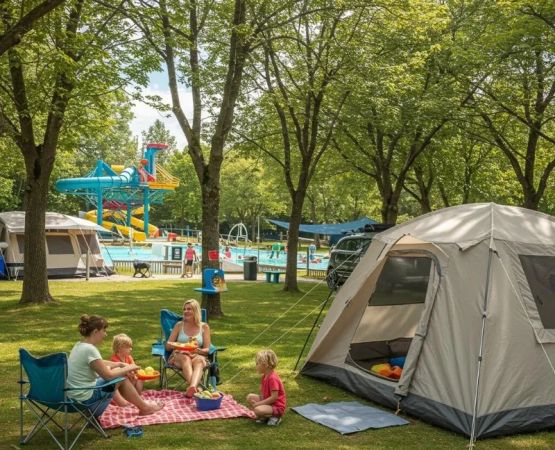
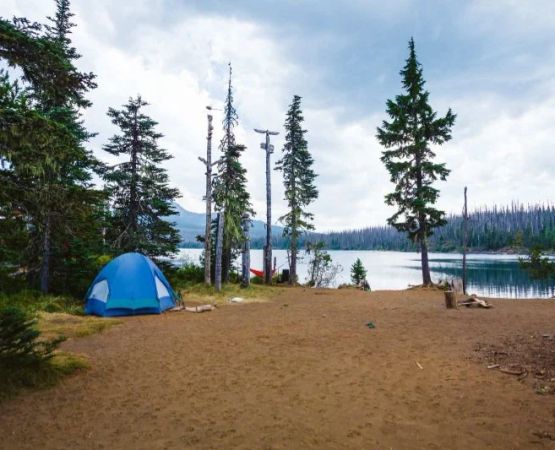
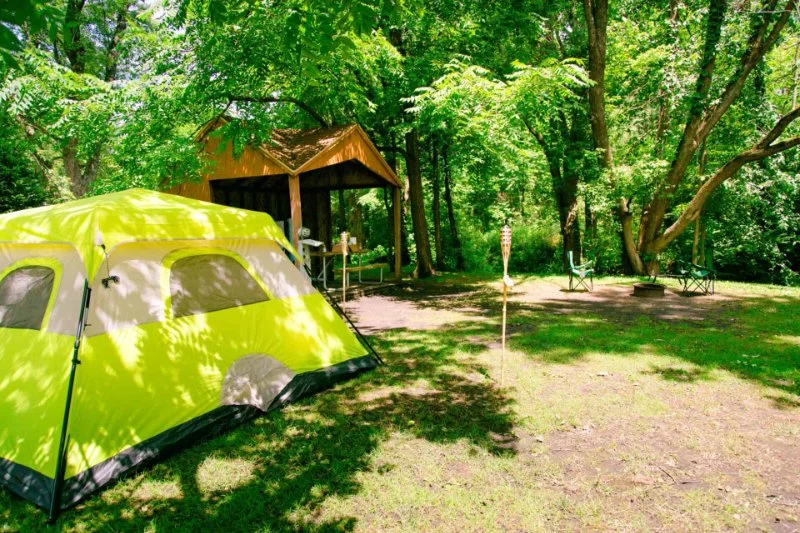
Selecting a campsite suited to a weekend trip is essential. Look for locations with accessible amenities, proximity to your starting point, and terrain that matches your camping experience. State parks or local campgrounds often provide established sites, fire pits, and clean restroom facilities, reducing the amount of extra gear you need to bring.
Creating an Efficient Camping Packing List
1. Start with Essentials
Begin with a core list of items you cannot do without, including your tent, sleeping bag, sleeping pad, and basic cooking supplies. Cross-reference with your campsite amenities to avoid duplication, such as if the site provides firewood or picnic tables.
2. Include Personal Necessities
Personal items like toiletries, medications, and identification are easy to forget. Keep a checklist and pack them in a dedicated compartment to prevent last-minute stress.
3. Limit Redundant Gear
Evaluate each item’s necessity. Do you need multiple lanterns or just one reliable light source? Reducing redundancies prevents overpacking and ensures easier transportation.
Prioritizing Essential Gear and Personal Items
Think carefully about the items that will truly enhance your trip versus those that are “nice-to-have.” For example, a lightweight camp stove is essential if cooking is part of your plan, whereas multiple kitchen gadgets may be unnecessary. Prioritizing helps balance comfort and mobility.
Clothing and Layering Tips for Weekend Camping
Weather can change quickly, so layering is key. Pack versatile clothing items that can be combined for warmth or adjusted for heat. Opt for moisture-wicking fabrics, quick-dry shirts, and a lightweight waterproof jacket. Bringing extra socks and underwear ensures comfort without excessive bulk.
Food and Cooking Strategies for Lightweight Packing
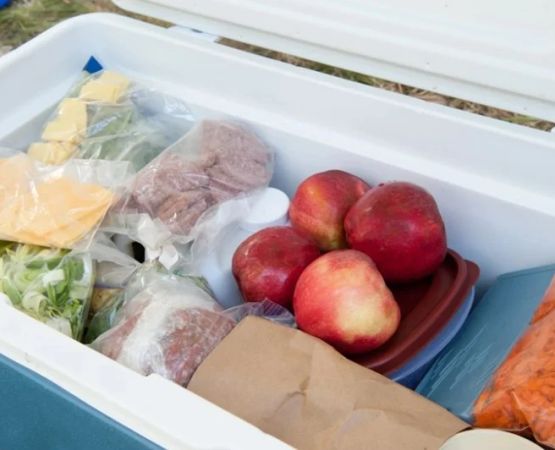
For a short trip, plan simple meals that require minimal ingredients and utensils. Pre-pack food in resealable containers to save space. Instant oatmeal, trail mix, sandwiches, and ready-to-cook pasta can reduce weight while providing sufficient nutrition. Don’t forget snacks for quick energy on hikes.
Organizing and Packing for Ease of Use
Use packing cubes or small bags to separate categories: cooking, clothing, and personal items. This organization makes it easy to access what you need without unpacking everything. Rolling clothes instead of folding them can save space and reduce wrinkles.
Practical Safety and First-Aid Considerations
Even a short camping trip benefits from basic safety preparation. Include a first-aid kit, insect repellent, sunscreen, and a multi-tool. Make sure you know the location of the nearest hospital or ranger station and keep emergency contact numbers handy.
Real-Life Stories of Weekend Camping Planning
Emily from Colorado shares, “I used to overpack for every weekend camping trip, carrying too many clothes and gadgets. After creating a simple checklist focusing only on essentials, I realized I could enjoy nature more without the stress of heavy bags.”
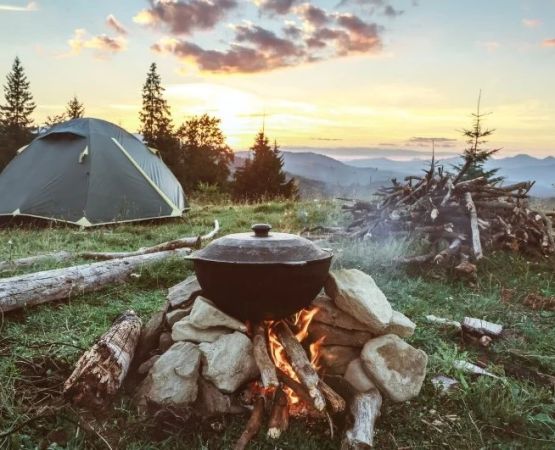
Similarly, Jake in Oregon recounts forgetting a portable stove once and improvising with a small campfire setup. The experience taught him the value of prioritizing essential cooking gear and keeping a checklist for short trips.
Maintaining Flexibility and Minimizing Stress During Trip
Even with careful planning, unexpected events may occur. Stay flexible and adjust plans as needed. Avoid carrying unnecessary items “just in case”—focus on what is truly necessary. By planning ahead and packing smartly, your weekend camping adventure will be enjoyable, stress-free, and memorable.
For additional guidance and curated gear lists for efficient packing, explore the recommendations at Camping With Kayla, ensuring your next weekend camping trip is well-prepared without overpacking.