How to Choose the Perfect Campsite in the US Without Regret: Your Ultimate Guide
Looking for the perfect campsite in the US? This guide provides expert tips, practical advice, and real-life stories to help you choose the ideal spot without regret. Discover the best campsites, key factors to consider, and essential tips to make your camping experience unforgettable.
Why Campsite Selection Matters
Selecting the right campsite can make or break your entire camping experience. The wrong choice could lead to discomfort, safety concerns, or missing out on the beauty that nature offers. Whether you're a seasoned camper or a first-timer, the right campsite should provide you with the peace and enjoyment you're seeking.Choosing the perfect campsite in the US is crucial because different environments come with distinct advantages and challenges. Some campsites offer scenic views of mountains or lakes, while others give you access to rich wildlife or quiet seclusion. In the US, there’s such a variety, and making the right choice can ensure you have an unforgettable experience.Key Factors for Choosing the Right Campsite
When it comes to selecting your campsite, there are several factors you should consider. Let’s break them down:Location: Location is everything! Choose a campsite that fits your travel preferences, whether it’s nestled deep in a national park or closer to urban amenities.Accessibility: Ensure the campsite is accessible, especially if you're traveling with kids or pets. Check if there are any trails leading to your spot and if the roads are well-maintained.Safety: This should always be a priority. Check the safety regulations for the area and ensure you're aware of any wildlife risks (bears, snakes) or natural hazards (flash floods, unstable terrain).Facilities: Are you looking for a campsite with basic amenities, or do you prefer a more rustic experience? Some campsites offer restrooms, showers, and running water, while others provide a true wilderness experience without modern conveniences.Climate: The weather can make or break your camping trip. Research the climate of the region and consider the best time to visit, so you’re prepared for rain, heat, or cold.Activities: If you’re into hiking, fishing, kayaking, or stargazing, make sure your chosen campsite provides these activities. Some campsites are strategically located near popular trails or water sources.Understanding Campsite Types
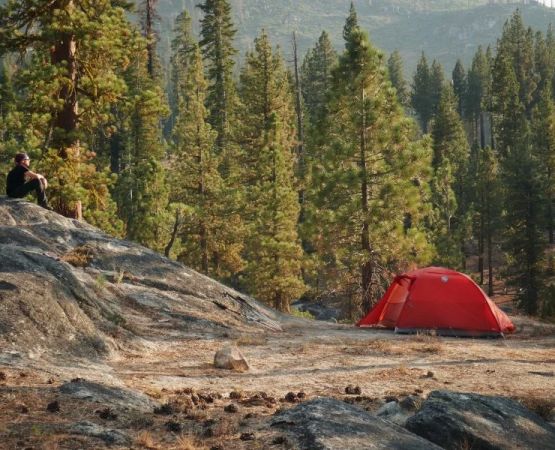
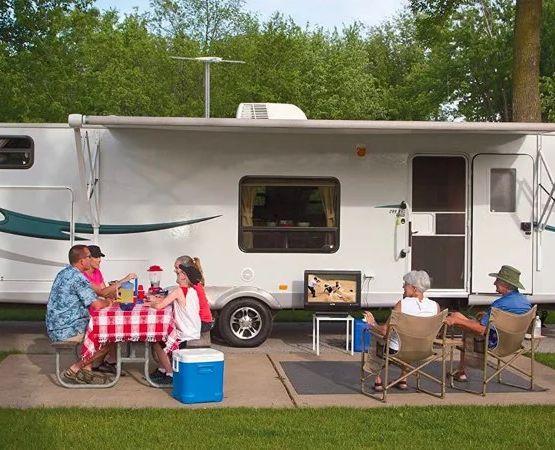
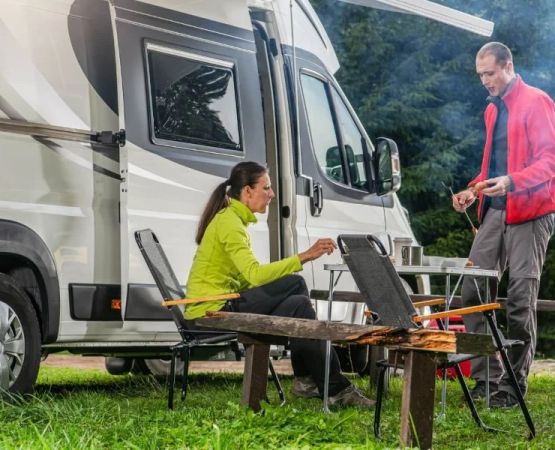
Different campsites cater to various types of campers. Understanding what each type offers is essential to selecting the best fit for you:Primitive Campsites: For those looking for a truly off-grid experience, primitive campsites offer no electricity, running water, or amenities. This is ideal for experienced campers who seek solitude and a deeper connection with nature.Backcountry Campsites: Usually found deep within national parks or forests, backcountry campsites often require a bit of hiking to reach. These campsites provide a more isolated experience, often with only a fire pit and a flat area for your tent.RV Sites: Perfect for those who prefer camping with a bit of comfort, RV sites offer hookups for electricity and water. They’re typically located in or near developed campgrounds, making them more accessible.Glamping Sites: If you’re looking for a luxurious camping experience, glamping might be your best choice. These campsites offer amenities such as comfortable beds, electricity, and even bathrooms.Real Camping Experiences: Lessons Learned
Real camping stories can help you learn valuable lessons before setting out. For instance, one camper, John, shared how he regretted choosing a campsite near a lake, only to find out it was infested with mosquitoes. On the other hand, Sarah’s story about selecting a campsite with a panoramic mountain view but poor weather conditions shows the importance of researching weather patterns before booking.Another insightful story comes from Emily, who camped in a remote national park and learned the hard way about the lack of cell service. While it was an amazing experience, she wished she had informed family members of her exact location. These stories highlight how important it is to thoroughly plan your trip.Where to Find the Best Campsites in the US
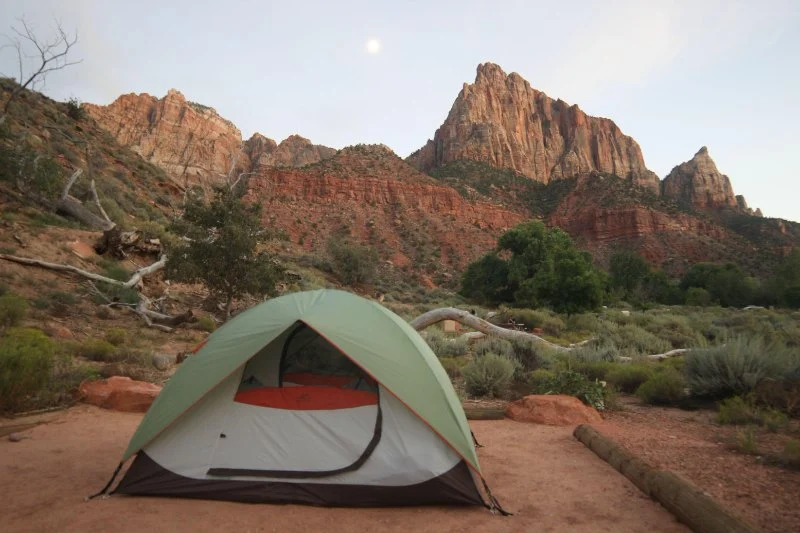
The US is home to thousands of campsites, each offering a unique experience. Some of the best-known spots include:Yosemite National Park, California: Known for its stunning granite cliffs and giant sequoias, this park offers several campsites within walking distance of famous landmarks.Zion National Park, Utah: Famous for its sandstone cliffs and striking landscapes, Zion has campgrounds that cater to both beginner and experienced campers.Great Smoky Mountains, North Carolina/Tennessee: The Smokies offer a variety of campsites, from drive-in sites to backcountry camping, all with access to breathtaking mountain views and diverse wildlife.If you're looking for something off the beaten path, sites like Alaska’s Denali National Park or Oregon's Crater Lake provide less crowded and serene camping options.For more information and the best deals on camping gear and services, you can visit Camping With Kayla for tailored recommendations.Essential Camping Checklist
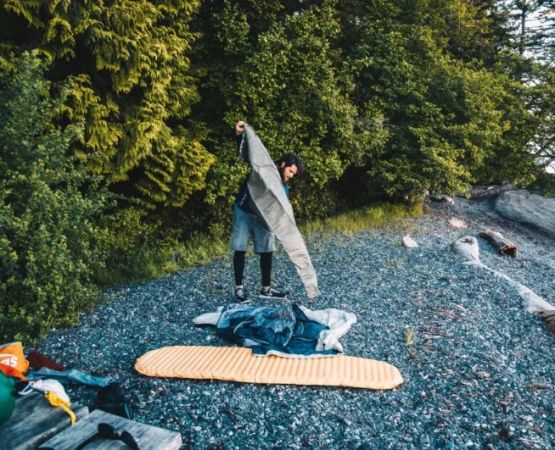
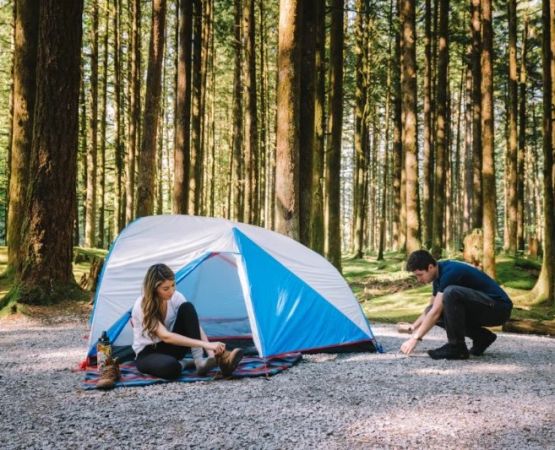
To make sure you're fully prepared, here's a basic checklist for your camping trip:Tent – Ensure it’s weatherproof and the right size for your group.Sleeping Bag and Pad – For a good night’s sleep.Cooking Equipment – A stove, cookware, and utensils.Food and Water – Plan for the length of your stay.First Aid Kit – Always have one on hand.Appropriate Clothing – Layers for unpredictable weather.Headlamp/Flashlight – Essential for night-time navigation.Maps and Compass – Or GPS if you’re venturing off-trail.Top Recommendations for a Perfect Camping Experience
Here are a few more tips to make your trip enjoyable:Book in Advance: Popular campsites can fill up quickly, especially during peak season, so make sure you reserve your spot early.Respect Nature: Always follow Leave No Trace principles to help preserve the environment.Plan for Emergencies: Know the location of the nearest hospital, especially if you're camping in a remote area.Embrace the Outdoors: Take time to disconnect from technology and enjoy the beauty of nature.