1. Understanding Your Camping Style
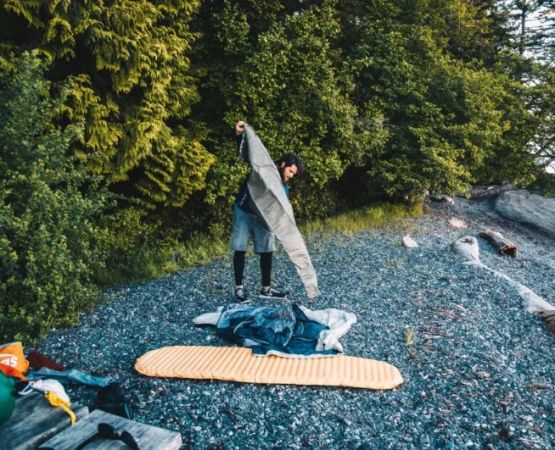
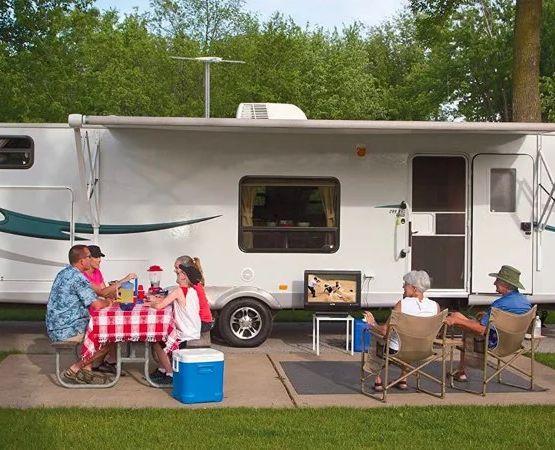
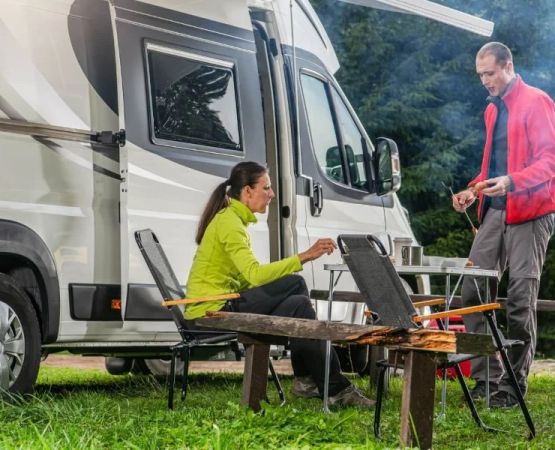
Before you even think about the type of tent you need, it’s important to understand your camping style. Are you a backpacker looking for lightweight and compact gear, or a family camper who needs more space and comfort? Your camping style will greatly influence the type of tent you should choose.
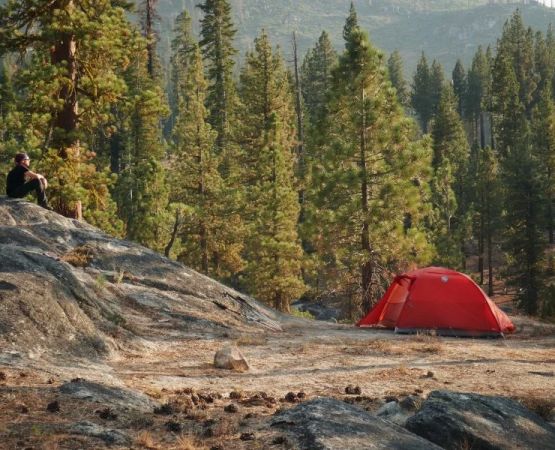
For instance, if you’re going to be hiking long distances to your campsite, a lightweight, compact tent that can easily fit into your backpack is ideal. On the other hand, if you’re car camping or staying at a designated campground, you might prefer a larger, more comfortable tent with more space for your gear and extra amenities.
2. Tent Size and Capacity: How Much Space Do You Need?
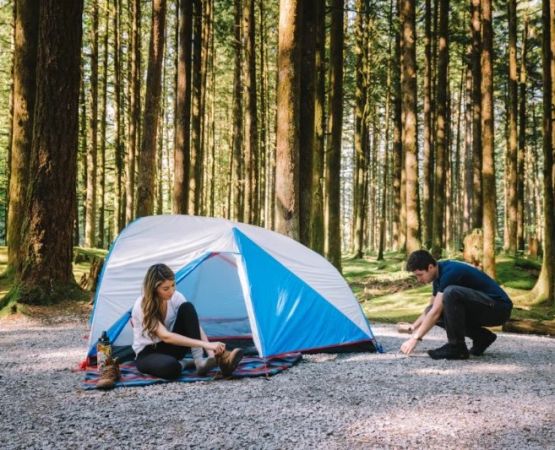
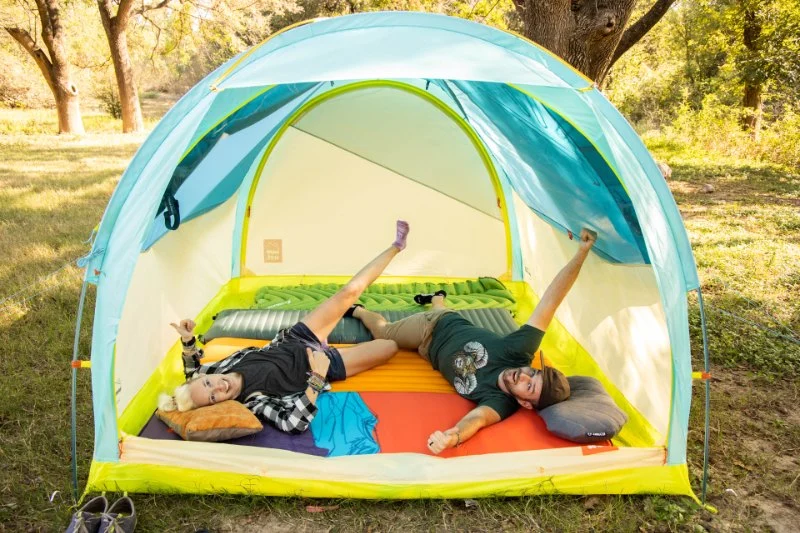
When it comes to choosing the right tent, size is one of the first factors to consider. Tents come in various sizes, typically ranging from one-person to family-sized tents. However, many camping experts recommend sizing up. If you’re a solo camper, a two-person tent might give you extra space for gear and comfort. If you’re camping as a couple, consider a three-person tent to avoid feeling cramped.
For family camping, a tent with multiple rooms or a larger 6+ person tent might be necessary, especially if you plan to store gear inside. But remember, more space means more weight, so it’s important to find the right balance between comfort and convenience. A good rule of thumb is to choose a tent that allows for a little extra room for comfort, but doesn’t add unnecessary bulk.
3. Weather Considerations: Is Your Tent Suitable for the Conditions?
The weather plays a major role in determining the type of tent you should buy. Are you camping in hot, dry conditions or in rainy, cold weather? Different tents are designed to handle different weather conditions. For example, a 3-season tent is great for most conditions, but it may not provide the same level of protection in extreme winter weather.
If you’re camping in colder climates, look for a 4-season tent, which is designed to withstand snow and strong winds. On the other hand, if you’re camping in a hot, dry climate, you’ll want a tent with excellent ventilation to prevent overheating during the day and to ensure airflow at night.
4. Tent Durability and Materials
The durability of a tent depends on the materials used in its construction. Tents are made from a variety of materials, with some offering better protection from the elements than others. High-quality tents often use ripstop nylon or polyester fabrics that are both lightweight and durable. Additionally, the tent’s floor should be made from thicker materials to prevent water from seeping in during wet conditions.
It’s also important to check the tent’s poles, as these are crucial to the structure’s stability. Aluminum poles are typically stronger and more durable than fiberglass poles, though they can be a bit heavier. If you’re planning on doing some serious backcountry camping, investing in a high-quality, durable tent with strong poles is a good idea to ensure it holds up in the toughest conditions.
5. Easy Setup: How Quickly Can You Set It Up?
One of the most frustrating aspects of camping is struggling with tent setup. As a beginner, you may find yourself overwhelmed by complicated poles or confusing instructions. Look for a tent that’s easy to set up, especially if you’re just starting out.
Many modern tents come with simple color-coded poles, quick-connect poles, or even pop-up features that make setting up a breeze. If you’re planning on camping with kids or you’re just in a hurry to set up before dark, choosing a tent with easy setup is a must. It’ll save you time and frustration so you can start enjoying your trip right away.
6. Additional Features: What Extras Do You Need?
Some tents come with additional features that can make your camping experience even more enjoyable. For example, vestibules or awnings provide extra storage space outside the tent for gear, while built-in gear lofts allow you to keep your items organized and off the floor inside the tent.
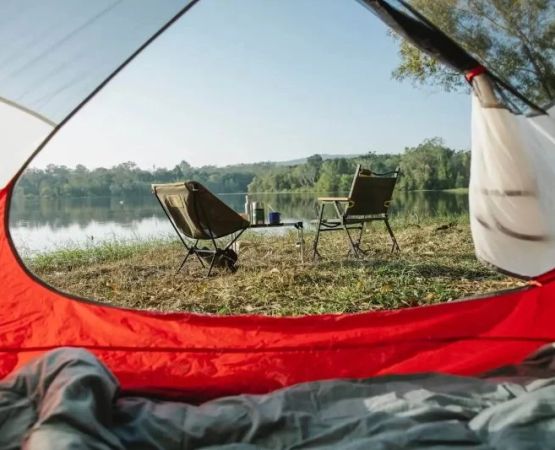
Many tents also offer features like windows for extra ventilation, removable rain flies for warmer weather, and interior pockets for storing small items. These extra features might not be essential, but they can make your camping experience more comfortable and convenient, especially for longer trips.
7. Budget: What’s Your Price Range?
Camping gear, including tents, can range widely in price. The most important thing is to determine your budget before you start shopping. While it’s tempting to go for the cheapest option, remember that a high-quality tent is an investment in your camping experience. A well-built tent can last for years, while a cheap one might need replacing after just one season.
If you’re on a tight budget, consider looking for tents on sale or purchasing from reliable outdoor retailers that offer quality products at a more affordable price. If you’re planning to camp often, investing in a slightly higher-end tent will pay off in terms of comfort, durability, and long-term use.
8. Recommended Tents from Camping With Kayla
If you’re ready to pick the perfect tent for your camping style, check out Camping With Kayla for a selection of high-quality tents. Whether you’re a solo hiker or a family camper, they offer a wide range of tents suited for all types of camping trips. Explore their collection and find the right tent that meets your needs and budget.