- How-to-Stay-Safe-While-Camping-Alone-Understanding-Solo-Camping-Risks
- Preparing-for-a-Solo-Camping-Trip-the-Smart-Way
- Choosing-a-Safe-Campsite-When-Camping-Alone
- Essential-Gear-for-Solo-Camping-Safety
- Real-Solo-Camping-Story-A-Lesson-in-Preparation
- Common-Mistakes-People-Make-When-Camping-Alone
- Building-Confidence-and-Staying-Aware-in-the-Wilderness
How to Stay Safe While Camping Alone – Understanding Solo Camping Risks
Solo camping has become increasingly popular among outdoor enthusiasts across the United States. Many campers seek the quiet solitude that comes from spending time alone in nature. Without the distractions of a group, solo camping allows people to reconnect with the outdoors, clear their minds, and enjoy peaceful landscapes.
However, camping alone also comes with unique challenges. Learning how to stay safe while camping alone is essential before heading into remote forests, national parks, or wilderness areas. Without companions nearby, campers must rely on preparation, awareness, and smart decision-making.
Experienced solo campers often say that safety begins long before arriving at the campsite. Proper planning and understanding potential risks help ensure that a peaceful trip doesn’t turn into a stressful situation.
Across hiking forums and outdoor communities, many seasoned campers share stories about their first solo trip. The most common advice repeated again and again is simple: preparation builds confidence.
Preparing for a Solo Camping Trip the Smart Way
The most effective safety strategy begins before you even leave home. Good preparation dramatically reduces potential risks when camping alone.
1. Share your trip plans with someone you trust
Tell someone where you are going
Provide a trusted friend or family member with information about your destination, campsite location, and planned return date.
Create a simple check-in plan
If possible, send updates when you arrive at camp or when you begin your return trip.
2. Research the camping location thoroughly
Study park maps and trail routes
Understanding the layout of the area helps prevent getting lost.
Check weather conditions
Weather changes can significantly affect outdoor safety, especially in mountainous areas.
3. Start with well-known campgrounds
Choose developed camping areas first
If it’s your first solo camping experience, selecting a campground with park staff and other visitors nearby can provide extra security.
Careful planning is a fundamental step when learning how to stay safe while camping alone.
Choosing a Safe Campsite When Camping Alone
The location of your campsite plays a major role in overall safety and comfort.
1. Select a visible but peaceful location
Avoid extremely isolated areas
While solitude is appealing, being completely out of reach from other campers may not be ideal for beginners.
Choose well-maintained campsites
Established sites often provide level ground, fire pits, and clear surroundings.
2. Evaluate natural surroundings
Look for potential hazards
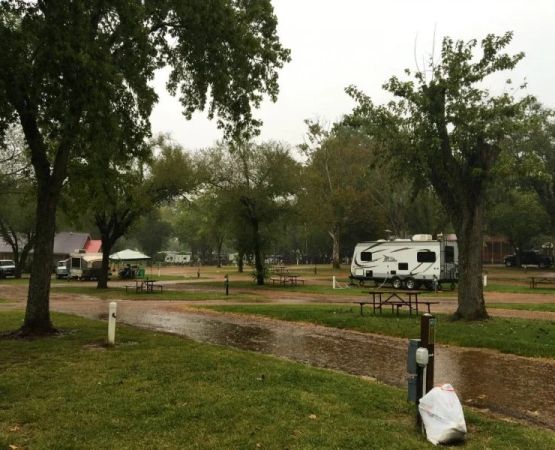
Dead tree branches, unstable slopes, or areas prone to flooding should be avoided.
Stay aware of wildlife activity
Signs of animal tracks or food scraps left by previous campers could indicate wildlife presence.
3. Arrive before dark
Daylight helps with proper setup
Setting up a tent and evaluating the environment is much easier when visibility is good.
Many experienced campers recommend arriving early so there is plenty of time to organize the campsite comfortably.
Essential Gear for Solo Camping Safety
Having the right equipment can make a significant difference when camping alone.
1. Reliable navigation tools
Maps and compass
Even with modern technology, traditional navigation tools remain extremely reliable.
GPS devices
Handheld GPS units or offline map apps can help track your location.
2. Communication devices
Emergency satellite messengers
These devices allow campers to send emergency signals even when cell service is unavailable.
Portable power banks
Keeping devices charged ensures you maintain communication capabilities.
3. Personal safety gear
Headlamp or flashlight
Good lighting improves safety during nighttime movement.
First aid kit
Minor injuries can happen during outdoor activities, and immediate treatment is important.
Many solo campers explore gear recommendations and preparation guides through Camping With Kayla before heading out on their trips. Reliable equipment can provide peace of mind when traveling alone.
Real Solo Camping Story – A Lesson in Preparation
An experienced hiker once shared a widely discussed story on an outdoor forum about a solo camping trip in the Rocky Mountains. On the first evening, a sudden thunderstorm rolled through the area, bringing strong winds and heavy rain.
Because the camper had carefully prepared, the situation remained manageable. The tent was properly secured, essential gear was stored in waterproof containers, and the campsite had been chosen on elevated ground.
Other campers nearby who had rushed their setup struggled with flooded tents and scattered equipment. The experience reinforced a simple lesson: preparation is the best safety tool.
Stories like this remind outdoor enthusiasts that learning how to stay safe while camping alone often comes down to planning and awareness.
Common Mistakes People Make When Camping Alone
Even experienced campers occasionally make mistakes when venturing out alone.
1. Overestimating outdoor skills
Challenging environments
Some beginners choose extremely remote locations without enough experience.
2. Ignoring weather forecasts
Rapid weather changes
Mountains and forests can experience sudden shifts in weather conditions.
3. Packing too little or too much gear
Balance is important
Carrying essential safety gear is critical, but overpacking can make travel difficult.
Understanding these common errors can help solo campers improve their planning.
Building Confidence and Staying Aware in the Wilderness
Camping alone is not just about safety—it is also about developing confidence and self-reliance.
1. Stay mentally alert
Observe your surroundings
Pay attention to sounds, weather changes, and trail markers.
2. Trust your instincts
Listen to your intuition
If something feels unsafe or uncomfortable, adjusting your plan is always the right decision.
3. Keep a consistent routine
Organized campsites reduce stress
Maintaining a clean and structured campsite helps campers stay calm and focused.
Many experienced solo campers say that confidence grows with each trip. By practicing smart preparation and understanding how to stay safe while camping alone, outdoor explorers can enjoy peaceful adventures while staying secure in the wilderness.