- Why Camping Feels Difficult for Beginners
- Common Camping Mistakes Beginners Make
- How to Avoid These Camping Mistakes
- Proper Preparation for Camping
- Must-Have Camping Gear for Beginners
- Recommendations from Camping With Kayla
1. Why Camping Feels Difficult for Beginners
Camping can be an incredibly rewarding experience, but for beginners, it often feels like more of a challenge than it should be. Whether it's struggling with setting up tents, dealing with unexpected weather, or simply being unprepared for the environment, there are numerous hurdles that can make camping feel daunting. Many first-time campers face difficulties because they aren't familiar with the nuances of outdoor living. However, these challenges can be easily overcome with the right knowledge and preparation.
2. Common Camping Mistakes Beginners Make
Every beginner camper has made at least one mistake when venturing into the wilderness. While these mistakes can feel discouraging, they are part of the learning process. Here are some common mistakes beginners make and how they impact your camping experience:
2.1 Not Planning the Campsite Properly
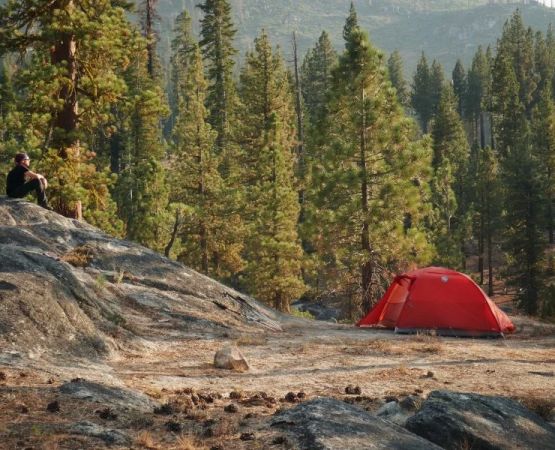
One of the biggest mistakes beginners make is not researching and planning their campsite properly. Choosing the wrong spot—whether it's too close to water, too exposed to wind, or too uneven—can create a series of problems. A poor campsite choice can lead to discomfort, difficulty setting up camp, and even safety issues.
2.2 Packing Too Much or Too Little
Another common error is overpacking or underpacking. Overpacking leads to carrying excess weight that can tire you out, while underpacking leaves you without essential items. Finding the right balance is key, and this comes with knowing what you'll actually use during the trip.
2.3 Not Preparing for Weather Changes
Weather can be unpredictable, and not preparing for sudden changes can lead to discomfort or even danger. Many beginners fail to bring the appropriate gear for rain, wind, or cold weather, thinking that the forecast will be accurate throughout the trip. Always pack layers and be prepared for the unexpected.
3. How to Avoid These Camping Mistakes
Making your camping experience more enjoyable requires proper planning, the right mindset, and a bit of preparation. Here are tips on how to avoid the mistakes mentioned above:
3.1 Research Your Campsite
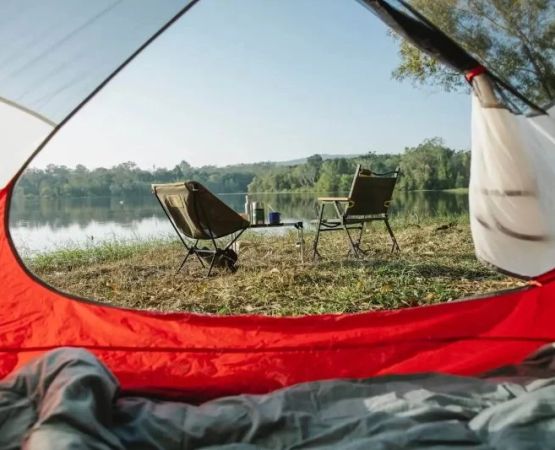
Before you head out, research your campsite thoroughly. Look for reviews, check for accessibility, and learn about the terrain and weather conditions. Choose a campsite that suits your needs—whether it’s for a family trip, a peaceful retreat, or an adventurous hike. Make sure it's accessible, flat, and provides shelter from the elements.
3.2 Pack the Essentials
Make a list of the essential items you need for your trip. While it’s important to pack light, it’s equally important to bring all the necessary gear such as a tent, sleeping bag, water, food, and a first-aid kit. Don’t forget weather-appropriate clothing and extra layers to adjust to temperature fluctuations.
3.3 Prepare for the Weather
Check the weather forecast in advance, but always be ready for changes. Bring waterproof gear and layering options to stay comfortable during any unexpected weather. A good waterproof jacket, sturdy boots, and a reliable tent will keep you protected from rain and wind.
4. Proper Preparation for Camping
Proper preparation is the key to a successful camping trip. Here are some key elements of preparation that will set you up for success:
4.1 Plan Your Meals
Food is an essential part of your camping experience, but it’s important to keep your meals simple and manageable. Plan easy-to-cook meals that don’t require a lot of ingredients or equipment. Pack nutritious snacks to keep your energy up during hikes and outdoor activities.
4.2 Learn Basic Campfire Skills
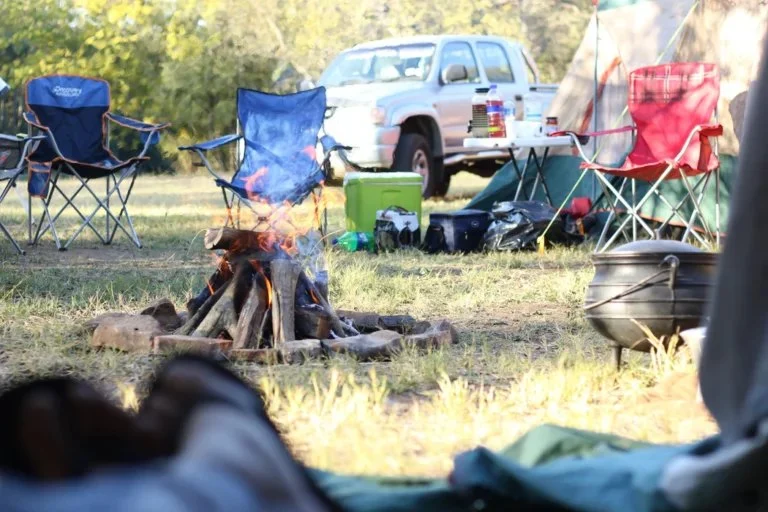
Knowing how to build and maintain a safe campfire is a vital camping skill. Make sure you understand how to start a fire using matches, kindling, and firewood. Additionally, familiarize yourself with fire safety guidelines to ensure that you’re prepared for emergencies.
4.3 Know Your Gear
Before you head out, make sure you are familiar with your camping gear. Practice setting up your tent, using your stove, and operating any other tools you plan to bring. Familiarity with your equipment will save you time and frustration on your trip.
5. Must-Have Camping Gear for Beginners
As a beginner, having the right gear is crucial for a comfortable camping experience. Here’s a list of essential gear every beginner should have:
5.1 Tent
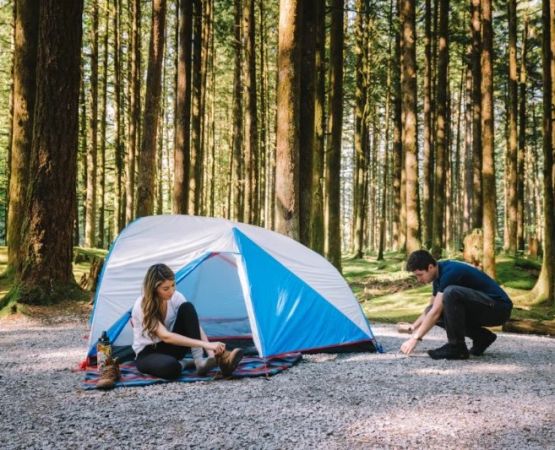
A reliable, weatherproof tent is a must-have for any camping trip. Make sure to choose a tent that’s the right size for your group and can withstand the weather conditions in your chosen camping location.
5.2 Sleeping Bag
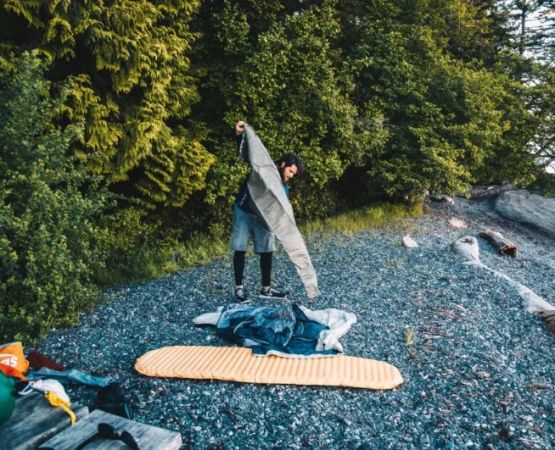
Choose a sleeping bag suited for the season you’re camping in. For colder months, look for bags rated for low temperatures, while in warmer weather, lightweight bags will suffice. A comfortable sleeping pad is also a great addition for a restful night.
5.3 Portable Stove
A portable stove will make cooking outdoors easy and efficient. Opt for a compact stove that’s easy to use and clean, and consider one that runs on fuel canisters or liquid fuel for longer trips.
6. Recommendations from Camping With Kayla
If you’re new to camping and want to ensure you have all the right gear and tips for a successful trip, visit Camping With Kayla. We offer a wide range of camping products, including tents, sleeping bags, and cooking equipment, as well as expert advice to make your first camping experience enjoyable. Check out our selection today and make your next adventure stress-free and fun!