1. Underestimating the Importance of Proper Gear
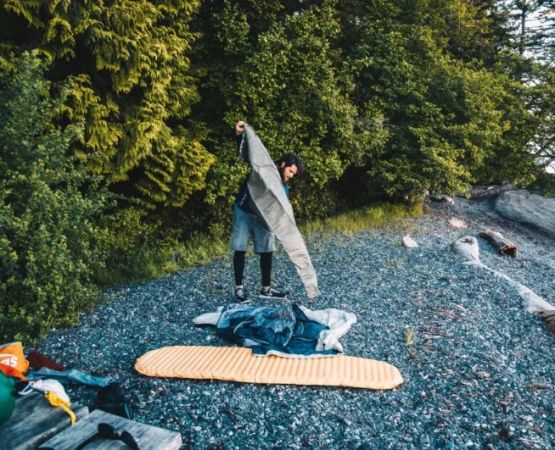
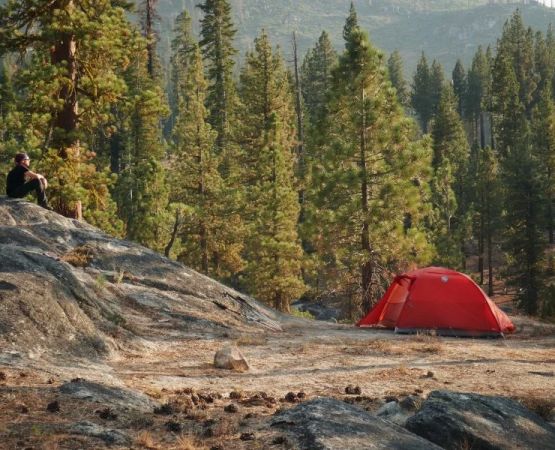
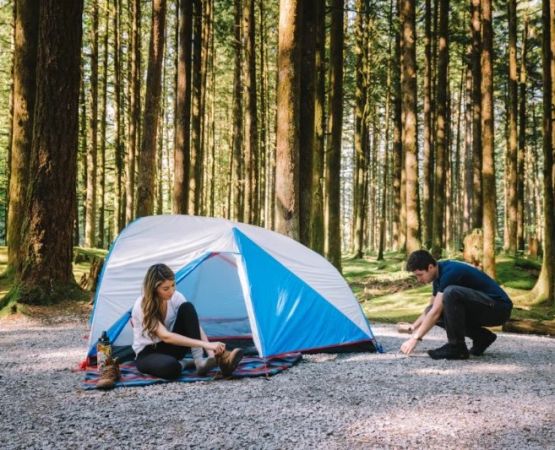
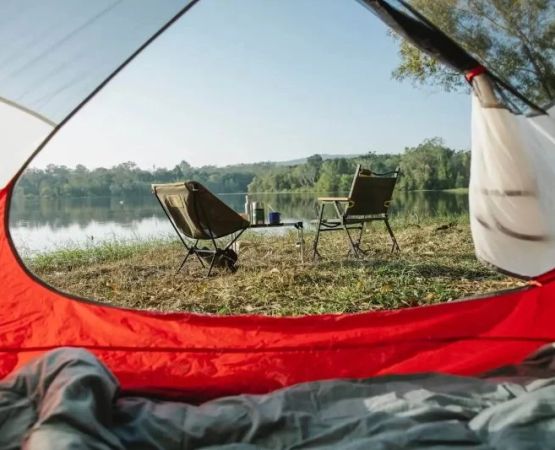
One of the most valuable lessons I learned early on in camping is the importance of having the right gear. In my first few trips, I made the mistake of underestimating the essentials. I ended up with a flimsy tent that couldn’t withstand the wind and a sleeping bag that was more suited for summer than for the chilly nights in the mountains. That trip was far from comfortable.
Now, I make sure to invest in quality gear, especially for a tent, sleeping bag, and cooking equipment. A sturdy tent will keep you safe from unexpected weather, and a well-insulated sleeping bag can make the difference between a sleepless, freezing night and a restful sleep. If you're looking for high-quality camping gear, I highly recommend checking out Camping With Kayla for top-rated outdoor equipment that will ensure your camping trip goes smoothly.
2. Not Preparing for the Weather
On one of my camping trips, I was caught off guard by a sudden rainstorm. I had checked the weather forecast, but didn’t prepare adequately for the possibility of rain. I learned the hard way that camping in unpredictable weather requires constant vigilance. I didn't bring waterproof clothing or a tarp, and by the time the storm passed, my gear and clothes were soaked.
The lesson here is simple: always be prepared for changes in the weather. Even if the forecast is clear, pack rain gear, layers, and a good waterproof tarp. The key is layering so you can adjust your clothing based on the temperature, and don't forget to bring a weatherproof bag to keep your essentials dry.
3. Overpacking or Underpacking Food
When I first started camping, I either brought way too much food or not enough. Once, I packed a week's worth of canned food for a weekend trip, which not only weighed me down but also resulted in a lot of unnecessary waste. On another trip, I didn’t bring enough food, and I found myself rationing the last of my snacks, which wasn’t fun at all.
The solution is to plan your meals ahead of time, pack just the right amount, and bring lightweight, easy-to-cook food like dried fruits, nuts, and pre-packaged meals. Don’t forget to bring a portable stove or grill for cooking, and always have extra snacks for emergencies. Trust me, running out of food on a camping trip is no fun!
4. Forgetting the Importance of Fire Safety
Fire is a fundamental part of camping, whether it's for cooking, warmth, or simply enjoying a campfire. But one mistake that I learned the hard way was neglecting fire safety. On a trip to a remote campsite, I thought I could leave the fire unattended while I went for a quick walk. By the time I returned, the fire had spread slightly and created a small scare. Thankfully, I was able to control it quickly, but it could have been a disaster.
Fire safety should never be overlooked. Always make sure your campfire is completely extinguished before leaving it unattended. If you’re in a dry area, consider using a camp stove instead. And always have a water source or fire extinguisher nearby in case things get out of hand.
5. Not Taking Care of Your Health
Camping is physically demanding, and it’s easy to forget about your health when you’re focused on setting up your tent or cooking dinner. One of my mistakes was not staying hydrated and neglecting to stretch after hiking. This led to dehydration and muscle cramps that made the rest of the trip less enjoyable.
To avoid this mistake, always bring enough water and make sure to drink regularly. Pack some electrolyte tablets to help replenish your minerals, especially after a long hike. Stretching before and after any physical activity will help prevent injuries. Remember, camping is about enjoying the outdoors, and taking care of your health ensures that you can enjoy the adventure to the fullest.
6. Ignoring Wildlife Safety
When I first started camping, I didn’t fully understand the importance of respecting wildlife. On one trip, I left food scraps outside my tent, which attracted a curious raccoon. The raccoon tried to enter my tent, and though it wasn’t dangerous, it was a scary situation that could have been avoided with proper precautions.
To keep both yourself and the animals safe, always store food in bear-proof containers or hang it up in a tree. Keep your campsite clean, and never feed wild animals. Be aware of the wildlife in the area and know how to act if you encounter them. A little respect for nature goes a long way in ensuring a safe and enjoyable camping trip.
7. Recommended Camping Gear at Camping With Kayla
If you're new to camping or looking to upgrade your gear, check out Camping With Kayla for top-tier camping equipment that will ensure you're fully prepared for your next adventure. They offer everything from high-quality tents to portable cooking equipment that can make your trip smoother and more enjoyable.