- Why People Buy Gear They Don’t Use
- Common Gear Buys That Are Never Used
- How to Make Smart Gear Choices for Camping
- Tips for Choosing Essential Camping Gear
- Recommendations from Camping With Kayla
1. Why People Buy Gear They Don’t Use
When it comes to camping, many people tend to buy gear based on hype or a desire to be fully prepared, only to find themselves never using it. The excitement of getting ready for a camping trip often leads to purchasing items that seem essential at first, but are ultimately unnecessary or impractical. Let’s explore why so many campers end up with unused gear sitting in their garages or storage closets.
1.1 Over-Purchasing Based on Trends
Camping gear trends can be incredibly persuasive, especially with the rise of social media influencers showcasing the latest products. Many people buy new, flashy equipment without fully understanding whether it's needed for their trip. As a result, they end up with gear that sounds great but isn’t really useful for their specific camping style or destination.
1.2 Inexperienced Campers Overestimating Their Needs
New campers often buy more gear than necessary, thinking they need everything under the sun to have a successful trip. The reality is, a lot of camping gear is either redundant or unsuitable for beginner campers. Overestimating needs can lead to unnecessary spending on equipment that isn’t used after the first trip.
1.3 Impulse Buys
Campers sometimes make impulse buys when they see a product on sale or being advertised as a "must-have." These impulse purchases often end up sitting unused because they weren’t carefully considered in the context of the camper’s actual needs and trip plans.
2. Common Gear Buys That Are Never Used
While there’s a lot of camping gear out there, some items are far more popular than others—yet often go unused. Here are some common gear purchases that end up collecting dust:
2.1 Camp Stoves with Too Many Features
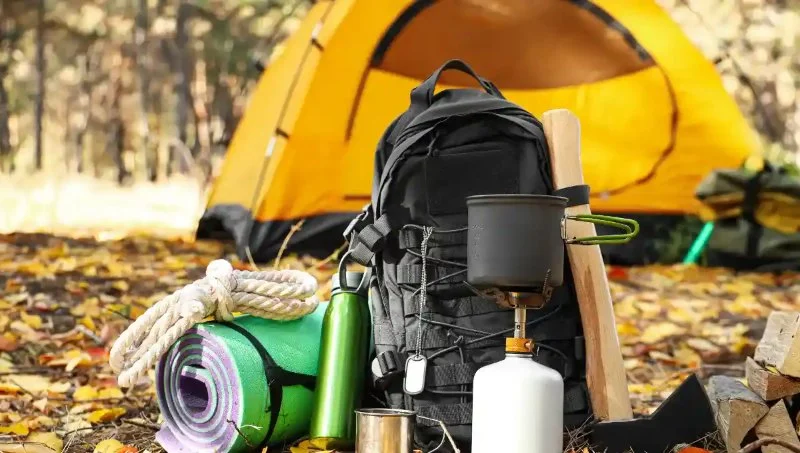
Many campers buy high-end camp stoves with multiple burners, fancy accessories, and features they never use. While these stoves might seem like the perfect solution for gourmet outdoor cooking, they’re often far too complex for simple camping trips. Most campers can get by with a small, portable stove that can boil water and cook basic meals.
2.2 Extra Tents and Hammocks
Some campers purchase extra tents or hammocks "just in case" or because they think they’ll need them for group camping trips. However, many campers end up using the same tent for every trip, and the extra tents or hammocks just sit unused in storage. If you're only going camping with one or two people, you likely don’t need multiple tents.
2.3 Expensive Sleeping Pads and Pillows
Comfort is important while camping, but many people spend extra money on sleeping pads and pillows that are more luxurious than necessary. While it’s essential to have a comfortable night’s sleep, simple, compact sleeping pads can often provide the comfort you need without all the extra features and bulk.
2.4 High-Tech Gadgets
Camping gadgets, like portable solar chargers, multi-tools with dozens of functions, and LED headlamps with multiple settings, can look attractive at the store but often go unused. These items sound great in theory but can add weight and complexity without offering much value on a short camping trip.
3. How to Make Smart Gear Choices for Camping
To avoid wasting money on unnecessary camping gear, it's important to make thoughtful, well-informed decisions about what to bring. Here are some tips for choosing the right gear for your camping trip:
3.1 Assess Your Needs
Before purchasing any gear, take a moment to assess your specific camping needs. What kind of trip are you going on? Will you be hiking, car camping, or backpacking? Answering these questions will help you determine what gear is essential and what can be left behind.
3.2 Invest in Quality, Not Quantity
It’s better to invest in a few high-quality, essential items rather than buying many cheap gadgets. Focus on the basics, such as a durable tent, sleeping bag, and cookware. Quality gear will last longer and perform better in the field.
3.3 Keep It Simple
Simplicity is key when it comes to camping gear. Focus on items that are easy to use, lightweight, and multipurpose. For instance, a simple two-burner stove or a compact, lightweight tent can often do the job without all the extra bells and whistles.
4. Tips for Choosing Essential Camping Gear
Here are some practical tips to help you choose camping gear that will make your trip more enjoyable and less stressful:
4.1 Prioritize Comfort and Durability
Your sleeping bag, tent, and sleeping pad should be your top priorities. Look for gear that is durable, comfortable, and appropriate for the climate in which you’ll be camping. A good night’s sleep is essential, so don’t skimp on your bedding and shelter.
4.2 Read Reviews and Recommendations
Before making any purchase, read reviews and get recommendations from experienced campers. Online reviews can provide valuable insights into the performance and reliability of gear, helping you make more informed decisions.
4.3 Test Gear Before the Trip
Whenever possible, test your gear before your trip. Set up your tent, try out your stove, and test your sleeping bag at home to make sure everything is in good condition and works as expected. This way, you’ll avoid surprises on the actual trip.
5. Recommendations from Camping With Kayla
If you’re looking for the best camping gear that’s both practical and durable, visit Camping With Kayla. We offer a curated selection of camping essentials that will enhance your outdoor experience without the unnecessary gadgets. Check out our website to find high-quality, essential camping gear today!