- Why Campsite Conditions Matter
- What Makes a Campsite Good or Bad
- How to Spot a Good Campsite
- Avoiding Common Campsite Mistakes
- How to Improve a Bad Campsite
- Recommendations from Camping With Kayla
1. Why Campsite Conditions Matter
The conditions of your campsite can make or break your camping experience. A poorly chosen campsite can lead to discomfort, frustration, and even safety issues. Whether you're new to camping or an experienced adventurer, understanding what makes a campsite good or bad is crucial for a successful trip. After all, a comfortable and well-chosen site can enhance your outdoor experience, while a bad one can turn your getaway into a disaster.
2. What Makes a Campsite Good or Bad
A good campsite offers the right mix of comfort, accessibility, safety, and convenience. On the other hand, a bad campsite can lead to discomfort, safety risks, and wasted time. Here are the key factors that differentiate a good campsite from a bad one:
2.1 Location
The location of your campsite plays a huge role in your overall comfort. A good campsite should be situated away from high-traffic areas, yet close enough to the amenities you may need, such as water sources or trails. Avoid campsites located near flood zones, high winds, or places where wild animals frequent.
2.2 Terrain and Ground Level
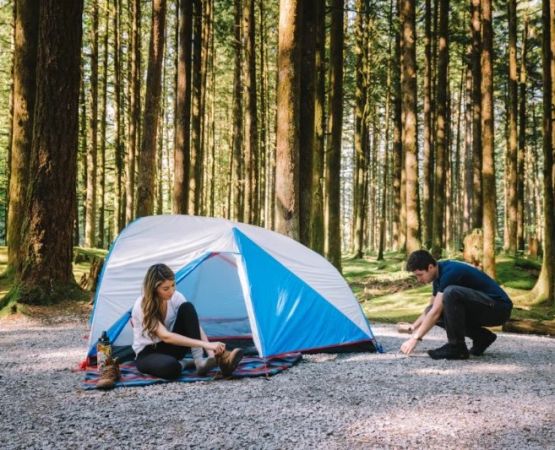
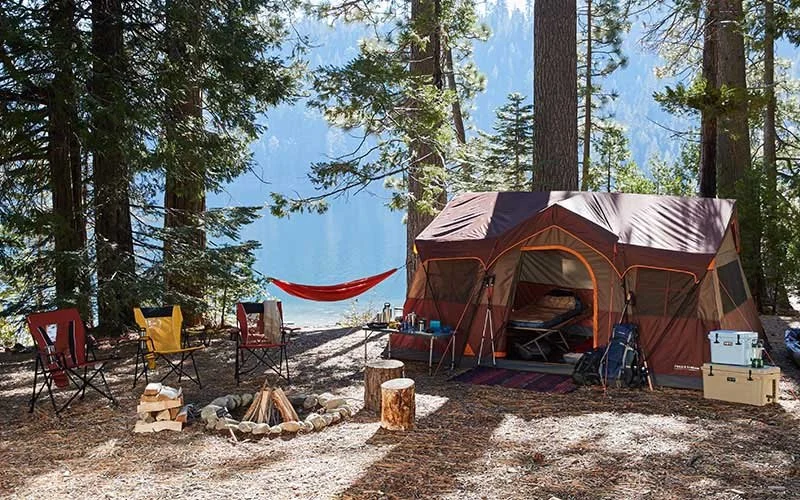
The terrain should be flat and free of rocks, roots, and debris. Uneven or sloped ground can make sleeping uncomfortable and increase the risk of accidents. A good campsite should have an even, dry surface that allows you to set up your tent without issues.
2.3 Access to Resources
A good campsite will provide easy access to essential resources like water, firewood, and waste disposal. Check if there's a nearby water source for drinking and cooking, as well as an established method for disposing of trash to minimize your environmental impact.
2.4 Safety
Safety is a top priority when choosing a campsite. Make sure the area is free from natural hazards, such as loose rocks, dead trees, or wildlife activity. Look for a spot where you can set up camp without being too exposed to the elements, and always keep a safe distance from cliffs or bodies of water.
3. How to Spot a Good Campsite
Identifying a good campsite early on can save you time and prevent headaches later. Here are some tips for spotting the ideal camping spot:
3.1 Look for a Flat Surface
The first thing to check for is a flat and stable surface. This ensures your tent will stay upright and won't be uncomfortable to sleep on. Avoid areas with slopes or uneven ground, as they will not only be uncomfortable but can also put you at risk of rolling in your sleep.
3.2 Choose a Location with Natural Shelter
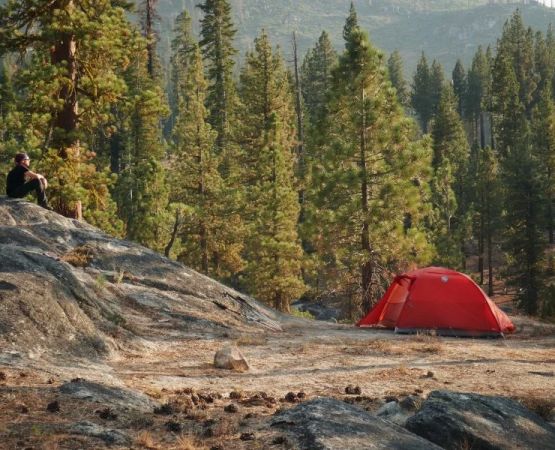
Look for campsites that provide natural shelter from the wind and sun, such as trees or rock formations. This will help you stay comfortable and shield you from harsh weather conditions. However, avoid setting up directly under dead branches or overhanging trees that might fall in bad weather.
3.3 Ensure Proximity to Resources
A good campsite will be close to essential resources like water, firewood, and a waste disposal area. But be cautious—don’t set up camp too close to water sources, as this can expose you to flooding risks or attract wildlife.
3.4 Check for a Level of Privacy
Ideally, you want a campsite that offers a good level of privacy without being too isolated. Setting up camp in a spot with some natural barriers, such as bushes or trees, can provide a peaceful environment while also giving you some separation from other campers.
4. Avoiding Common Campsite Mistakes
Beginners often make several mistakes when selecting their campsite. Avoiding these common errors can ensure a much more comfortable and enjoyable trip:
4.1 Not Checking the Weather
Always check the weather forecast before setting up camp. If you're camping in a mountainous area, the weather can change rapidly. Make sure you're prepared for any changes, whether it's rain, wind, or extreme temperatures.
4.2 Setting Up Near Dangerous Areas
Avoid setting up camp near steep cliffs, rivers with strong currents, or areas prone to wildfires. These are potential hazards that can pose serious risks to your safety during your trip.
4.3 Neglecting Wildlife
When selecting a campsite, consider the local wildlife. Avoid setting up camp near animal paths or areas where you’ve seen signs of wildlife activity. Take precautions by storing food properly and setting up a bear-proof camp if needed.
5. How to Improve a Bad Campsite
If you find yourself at a less-than-ideal campsite, there are ways to improve the situation and make the best of it. Here are a few simple solutions:
5.1 Create a Flat Sleeping Area
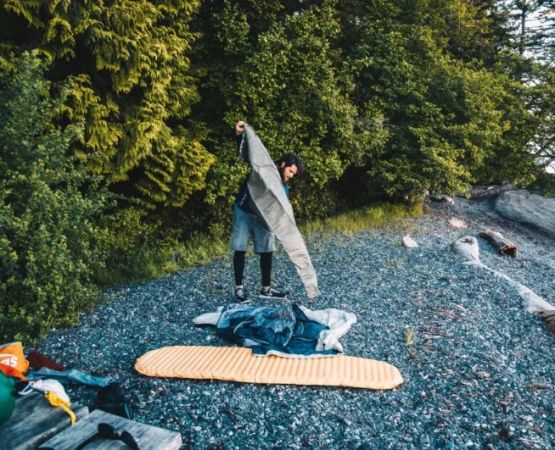
If your campsite is uneven, try using a tarp or extra padding to create a more comfortable sleeping area. If the ground is too rocky, consider setting up a sleeping mat or inflatable pad to help provide a buffer between you and the hard ground.
5.2 Set Up a Makeshift Shelter
If your campsite lacks natural shelter, use a tarp or a rainfly to create a temporary shelter from wind and rain. This will protect you from the elements and make your camping experience much more comfortable.
5.3 Bring Extra Supplies
If you’re at a campsite without proper resources, don’t panic. You can always bring extra water, firewood, or other essential items to make up for what’s missing. This will ensure that you’re prepared and comfortable during your stay.
6. Recommendations from Camping With Kayla
If you're looking to enhance your camping experience and find the best camping gear and advice, visit Camping With Kayla. We offer expert recommendations on the best campsites, gear, and tips to help you have a smooth and enjoyable camping trip. Explore our website to find the perfect equipment for your next adventure!