- Why Mountain Camping is Different
- Common Challenges When Camping in the Mountains
- How to Prepare for a Mountain Camping Trip
- Must-Have Gear for Mountain Camping
- Safety Tips for Camping in the Mountains
- Recommendations from Camping With Kayla
1. Why Mountain Camping is Different
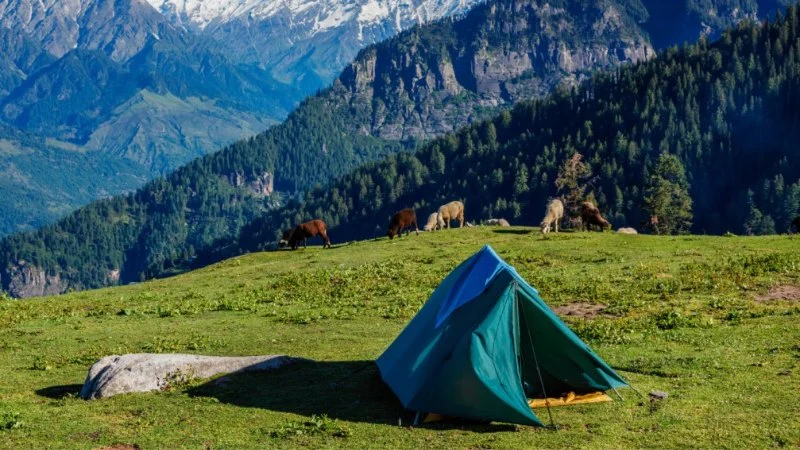
Camping in the mountains is a unique and rewarding experience, but it comes with challenges that differ from traditional camping. The higher altitudes, unpredictable weather, and rugged terrain require more preparation and a different approach to ensure a safe and enjoyable trip. Whether you're a seasoned camper or a beginner, understanding what makes mountain camping different is essential for success.
1.1 Higher Altitudes
At higher elevations, the air is thinner, and temperatures can drop significantly, even during the summer. This can affect your body’s ability to acclimatize, and make the experience feel more physically demanding than camping in lower elevations. Understanding how altitude affects your body and knowing how to adjust can prevent fatigue and altitude sickness.
1.2 Unpredictable Weather
Mountain weather is notoriously unpredictable. Even on a clear morning, the weather can change rapidly, bringing rain, snow, or even extreme winds. It’s crucial to prepare for all weather conditions and be ready for sudden changes to stay comfortable and safe.
1.3 Rugged Terrain
Mountains often feature uneven terrain, with steep slopes, rocky paths, and loose gravel. These conditions can make hiking and setting up camp more challenging. Choosing a campsite on a flat, stable surface becomes especially important to avoid discomfort and potential injuries.
2. Common Challenges When Camping in the Mountains
While mountain camping offers breathtaking views and a unique connection with nature, it also presents specific challenges that can make the trip more difficult. Here are some common issues you may encounter:
2.1 Difficulty in Setting Up Camp
Due to the rugged terrain, finding a suitable, level spot to set up your tent can be tricky. Rocky, uneven ground can make it uncomfortable to sleep and difficult to pitch a tent properly. In some cases, you may have to clear away debris or use rocks to stabilize your tent poles.
2.2 Extreme Temperatures
Mountain temperatures can fluctuate dramatically, even within the same day. The mornings and nights tend to be cold, even in summer, while the days can become hot. This temperature variation requires you to pack gear that can handle both extremes, ensuring comfort throughout your trip.
2.3 Limited Access to Supplies
In the mountains, access to essential resources like water and firewood can be limited. You may need to hike longer distances to find a water source, or carry extra gear to ensure you have enough supplies for cooking, hydration, and warmth.
3. How to Prepare for a Mountain Camping Trip
Proper preparation is the key to ensuring a safe and enjoyable mountain camping experience. Here are some tips to help you get ready:
3.1 Research Your Destination
Before heading to the mountains, research the area thoroughly. Learn about the elevation, climate, terrain, and potential hazards. Check the weather forecast, but also be prepared for unexpected changes. Knowing the region's wildlife and any restrictions (such as campfire rules) will help you plan accordingly.
3.2 Acclimate to Higher Elevations
If you’re camping at high elevations, it’s important to give your body time to adjust. Plan to spend at least a day or two at a moderate elevation before reaching your camping destination. This will help reduce the risk of altitude sickness and make your trip more comfortable.
3.3 Pack for All Weather Conditions
Mountain weather can be unpredictable, so pack gear for all types of conditions. Include waterproof clothing, a quality sleeping bag rated for cold temperatures, and extra layers to keep warm. Also, bring a reliable rain jacket and sunscreen to protect yourself from changing weather and sun exposure.
4. Must-Have Gear for Mountain Camping
When camping in the mountains, having the right gear is essential for comfort and safety. Here are some key items that every mountain camper should have:
4.1 Four-Season Tent
A four-season tent is specifically designed to handle the harsh conditions of mountain camping. It provides better insulation, weather resistance, and durability than a standard three-season tent. Look for a tent that is both windproof and waterproof to protect yourself from the elements.
4.2 Insulated Sleeping Bag
Since temperatures can drop drastically at night in the mountains, an insulated sleeping bag is essential. Choose a sleeping bag rated for temperatures lower than what you expect to encounter. You can also bring an insulated liner for extra warmth if needed.
4.3 Portable Water Filter
Mountain camping often means being far from reliable water sources. A portable water filter or purification tablets will ensure that you can safely drink water from lakes or streams. Always bring extra water in case you’re unable to find a clean water source.
4.4 Sturdy Hiking Boots
Mountain terrain can be tough on your feet. Invest in sturdy, waterproof hiking boots with good ankle support to navigate rocky paths and uneven surfaces. Make sure to break them in before your trip to avoid blisters and discomfort.
5. Safety Tips for Camping in the Mountains
Camping in the mountains can be an incredible adventure, but it also comes with risks. Here are some safety tips to ensure a safe trip:
5.1 Stay Aware of Weather Changes
Weather in the mountains can change quickly. Always check the forecast before your trip, but be ready for rapid shifts in conditions. Carry a weather radio or a smartphone with weather apps to stay informed during your trip.
5.2 Know Your Limits
Mountain hiking and camping can be physically demanding. Know your limits and don’t push yourself too hard. Take regular breaks, stay hydrated, and don’t attempt difficult hikes if you're not properly prepared.
5.3 Be Bear Aware
In some mountainous regions, bears and other wildlife can be a threat. Store food securely in bear-proof containers, and be aware of local wildlife guidelines to minimize the risk of encounters.
6. Recommendations from Camping With Kayla
If you’re looking for expert advice and high-quality gear for your mountain camping adventure, visit Camping With Kayla. We offer the best tents, sleeping bags, hiking equipment, and other camping essentials to help you prepare for a successful mountain camping experience. Explore our product recommendations today!