Campgrounds vs RV Parks: How to Choose Based on Travel Style
Learn how to choose between campgrounds and RV parks in the US based on your travel style, comfort needs, and trip goals with real examples and expert camping advice.Campgrounds vs RV Parks: How to Choose Based on Travel StyleChoosing the Right Place to Stay on the Road: Campground or RV Park?campgrounds-vs-rv-parks-basics - understanding the core differences in the UStravel-style-matching - how personality shapes your camping choiceamenities-vs-nature - balancing comfort and outdoor experiencereal-road-trip-examples - stories from US travelersplanning-your-camping-route - making smarter decisions for long tripsUnderstanding Campgrounds vs RV Parks in the USWhen planning a road trip across the United States, one of the most important decisions travelers face is choosing between campgrounds and RV parks. At first glance, they might seem similar—both offer places to stay outdoors—but the experience they provide can be completely different depending on your travel expectations.Campgrounds usually focus on nature immersion. They are often located in national parks, forests, or lakeside areas, offering a more rustic and scenic experience. RV parks, on the other hand, prioritize convenience, utilities, and structured layouts designed specifically for motorhomes and trailers.Why This Choice Matters More Than You ThinkMany first-time travelers underestimate how much this decision impacts their overall trip. Choosing the wrong type of stay can lead to discomfort, unnecessary expenses, or missing out on the experience they actually wanted.For example, someone seeking peace and nature might feel overwhelmed in a crowded RV park, while a traveler needing consistent electricity and Wi-Fi may struggle in a remote campground without hookups.How Travel Style Defines Your Camping Experience1. The Nature-Focused ExplorerIf your ideal trip includes hiking trails, wildlife sightings, and nights under the stars with minimal distractions, campgrounds are often the better fit. These locations prioritize natural surroundings over convenience.A traveler named Mark from Colorado once shared his experience driving through Utah’s national parks. He chose remote campgrounds near Zion and Bryce Canyon, waking up each morning surrounded by silence and canyon views. For him, RV parks would have felt too structured and disconnected from nature.2. The Comfort-Oriented RV TravelerSome travelers prefer predictability and comfort, especially on long cross-country journeys. RV parks offer full hookups, clean shower facilities, laundry access, and even entertainment areas in some locations.Families traveling with children often choose RV parks because they provide stability after long driving days. The ability to plug in electricity, refill water, and enjoy reliable services makes the journey easier and less stressful.3. The Flexible Hybrid TravelerA growing number of US travelers now combine both options. They may stay in RV parks during transit days and switch to campgrounds when visiting scenic destinations. This hybrid approach balances comfort with adventure.What You Get at Campgrounds vs RV ParksCampgrounds: Raw Nature and SimplicityCampgrounds typically offer basic amenities such as fire pits, picnic tables, and shared restroom facilities. Some remote sites may have no running water or electricity at all.This simplicity is exactly what many travelers seek. It encourages unplugging from technology and reconnecting with the outdoors. However, it requires preparation and self-sufficiency.RV Parks: Structured ConvenienceRV parks are designed for convenience. Most include full hookups for water, electricity, and sewage. Many also offer Wi-Fi, security, and even recreational facilities like pools or game rooms.This structure makes RV parks especially appealing for long-term travelers or those new to RV living in the US.Real Travel Story: The Wrong Choice That Changed the TripA couple traveling from Texas to California once shared their experience of booking only RV parks for a coastal road trip. While the comfort was great, they later realized they had missed some of the most scenic camping spots along the Pacific Coast Highway.On their return trip, they mixed in coastal campgrounds and described the experience as completely different—falling asleep to ocean waves instead of RV park noise. This balance taught them that location often matters more than convenience.How to Match Your Personality With the Right Option1. If You Value IndependenceCampgrounds give you more freedom to disconnect and follow your own rhythm. You are less dependent on infrastructure and more connected to the environment.2. If You Value PredictabilityRV parks provide consistency. You know what to expect in terms of utilities, security, and space, which reduces travel stress.3. If You Travel Long-TermLong-term RV travelers often prefer alternating between both options. It prevents burnout and keeps the journey interesting.Planning a Smarter US Road Trip StrategyA successful road trip isn’t just about destinations—it’s about how well your stops match your travel needs. Mapping out campgrounds and RV parks in advance helps avoid last-minute stress, especially in popular regions like Yellowstone, Arizona, or the Pacific Northwest.Many experienced travelers use a combination strategy: reserving RV parks in busy cities and relying on campgrounds for scenic national park stays. This ensures both comfort and adventure are balanced throughout the journey.For travelers looking to refine their camping experience further, resources like Camping With Kayla offer helpful insights, gear recommendations, and planning ideas tailored to different travel styles across the US.Making the Right Decision Before You Hit the RoadChoosing between campgrounds and RV parks is not just a logistical decision—it shapes the emotional tone of your entire journey. One offers freedom and raw nature, while the other provides structure and comfort.Understanding your travel personality is the key. Once you know what kind of experience you want, planning becomes easier, smoother, and far more enjoyable. Whether you're chasing sunsets in remote forests or enjoying full-service stops after long drives, the right choice makes every mile more meaningful.
Choosing the Right Place to Stay on the Road: Campground or RV Park?
- campgrounds-vs-rv-parks-basics - understanding the core differences in the US
- travel-style-matching - how personality shapes your camping choice
- amenities-vs-nature - balancing comfort and outdoor experience
- real-road-trip-examples - stories from US travelers
- planning-your-camping-route - making smarter decisions for long trips
Understanding Campgrounds vs RV Parks in the US
When planning a road trip across the United States, one of the most important decisions travelers face is choosing between campgrounds and RV parks. At first glance, they might seem similar—both offer places to stay outdoors—but the experience they provide can be completely different depending on your travel expectations.
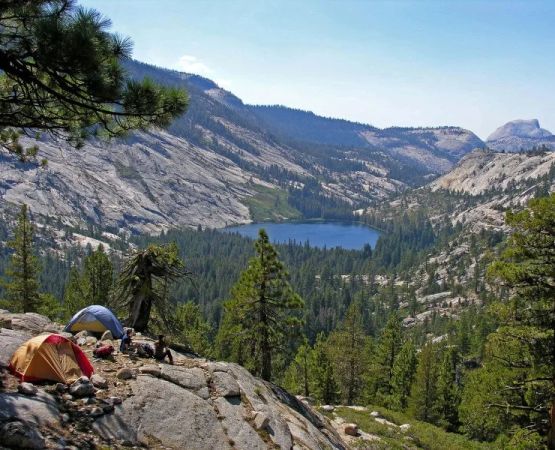
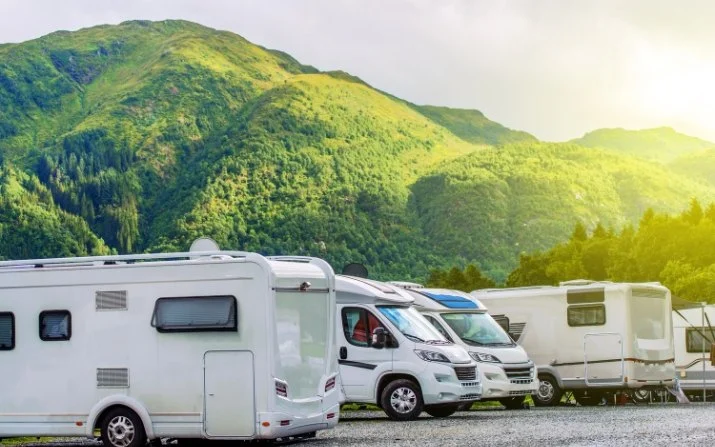
Campgrounds usually focus on nature immersion. They are often located in national parks, forests, or lakeside areas, offering a more rustic and scenic experience. RV parks, on the other hand, prioritize convenience, utilities, and structured layouts designed specifically for motorhomes and trailers.
Why This Choice Matters More Than You Think
Many first-time travelers underestimate how much this decision impacts their overall trip. Choosing the wrong type of stay can lead to discomfort, unnecessary expenses, or missing out on the experience they actually wanted.
For example, someone seeking peace and nature might feel overwhelmed in a crowded RV park, while a traveler needing consistent electricity and Wi-Fi may struggle in a remote campground without hookups.
How Travel Style Defines Your Camping Experience
1. The Nature-Focused Explorer
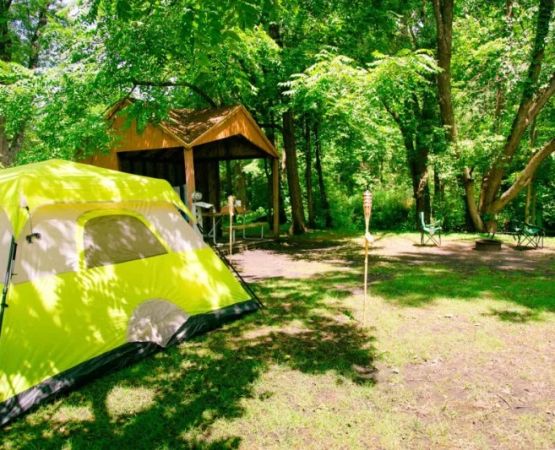
If your ideal trip includes hiking trails, wildlife sightings, and nights under the stars with minimal distractions, campgrounds are often the better fit. These locations prioritize natural surroundings over convenience.
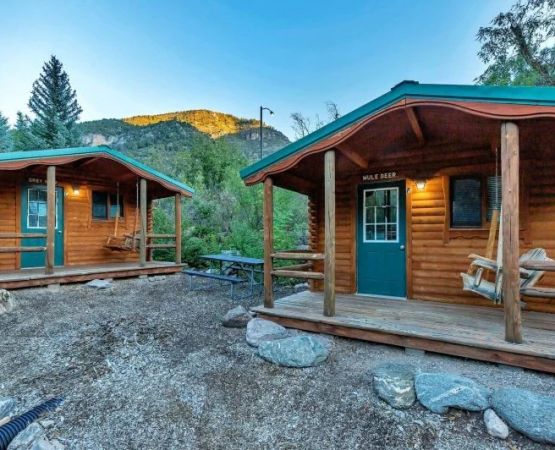
A traveler named Mark from Colorado once shared his experience driving through Utah’s national parks. He chose remote campgrounds near Zion and Bryce Canyon, waking up each morning surrounded by silence and canyon views. For him, RV parks would have felt too structured and disconnected from nature.
2. The Comfort-Oriented RV Traveler
Some travelers prefer predictability and comfort, especially on long cross-country journeys. RV parks offer full hookups, clean shower facilities, laundry access, and even entertainment areas in some locations.
Families traveling with children often choose RV parks because they provide stability after long driving days. The ability to plug in electricity, refill water, and enjoy reliable services makes the journey easier and less stressful.
3. The Flexible Hybrid Traveler
A growing number of US travelers now combine both options. They may stay in RV parks during transit days and switch to campgrounds when visiting scenic destinations. This hybrid approach balances comfort with adventure.
What You Get at Campgrounds vs RV Parks
Campgrounds: Raw Nature and Simplicity
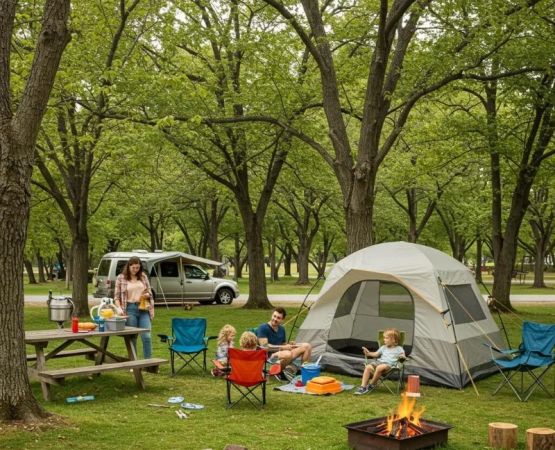
Campgrounds typically offer basic amenities such as fire pits, picnic tables, and shared restroom facilities. Some remote sites may have no running water or electricity at all.
This simplicity is exactly what many travelers seek. It encourages unplugging from technology and reconnecting with the outdoors. However, it requires preparation and self-sufficiency.
RV Parks: Structured Convenience
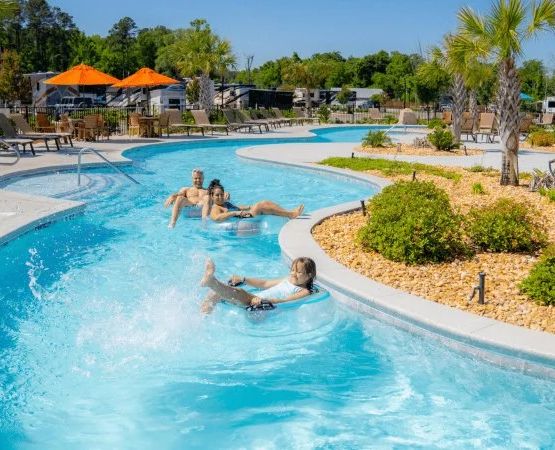
RV parks are designed for convenience. Most include full hookups for water, electricity, and sewage. Many also offer Wi-Fi, security, and even recreational facilities like pools or game rooms.
This structure makes RV parks especially appealing for long-term travelers or those new to RV living in the US.
Real Travel Story: The Wrong Choice That Changed the Trip
A couple traveling from Texas to California once shared their experience of booking only RV parks for a coastal road trip. While the comfort was great, they later realized they had missed some of the most scenic camping spots along the Pacific Coast Highway.
On their return trip, they mixed in coastal campgrounds and described the experience as completely different—falling asleep to ocean waves instead of RV park noise. This balance taught them that location often matters more than convenience.
How to Match Your Personality With the Right Option
1. If You Value Independence
Campgrounds give you more freedom to disconnect and follow your own rhythm. You are less dependent on infrastructure and more connected to the environment.
2. If You Value Predictability
RV parks provide consistency. You know what to expect in terms of utilities, security, and space, which reduces travel stress.
3. If You Travel Long-Term
Long-term RV travelers often prefer alternating between both options. It prevents burnout and keeps the journey interesting.
Planning a Smarter US Road Trip Strategy
A successful road trip isn’t just about destinations—it’s about how well your stops match your travel needs. Mapping out campgrounds and RV parks in advance helps avoid last-minute stress, especially in popular regions like Yellowstone, Arizona, or the Pacific Northwest.
Many experienced travelers use a combination strategy: reserving RV parks in busy cities and relying on campgrounds for scenic national park stays. This ensures both comfort and adventure are balanced throughout the journey.
For travelers looking to refine their camping experience further, resources like Camping With Kayla offer helpful insights, gear recommendations, and planning ideas tailored to different travel styles across the US.
Making the Right Decision Before You Hit the Road
Choosing between campgrounds and RV parks is not just a logistical decision—it shapes the emotional tone of your entire journey. One offers freedom and raw nature, while the other provides structure and comfort.
Understanding your travel personality is the key. Once you know what kind of experience you want, planning becomes easier, smoother, and far more enjoyable. Whether you're chasing sunsets in remote forests or enjoying full-service stops after long drives, the right choice makes every mile more meaningful.