- -why-finding-the-right-campground-matters
- -understanding-different-types-of-campgrounds
- -using-real-reviews-to-make-better-decisions
- -how-maps-help-you-avoid-camping-disappointments
- -insider-tips-from-experienced-campers
- -choosing-campgrounds-for-families
- -finding-hidden-gems-off-the-beaten-path
- -real-camping-story-and-lessons-learned
- -essential-gear-and-preparation
- -planning-your-next-camping-adventure
Why Finding the Right Campground Matters More Than Most People Think
Searching for the best campgrounds near me sounds simple at first. Open a map, choose a location, make a reservation, and head outdoors. Yet experienced campers know that finding the right campground can make the difference between an unforgettable weekend and a frustrating trip that leaves you wishing you had stayed home.
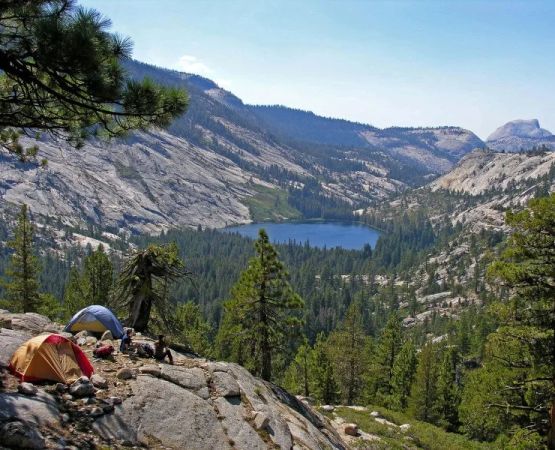
Across the United States, thousands of campgrounds offer dramatically different experiences. Some provide peaceful lakeside views where you wake up to birdsong and mist rising from the water. Others may place you next to crowded roads, noisy neighbors, or facilities that look much better in photos than in reality.
The rise of online campground reviews and digital maps has made it easier than ever to evaluate destinations before packing the car. However, not all reviews are equally valuable, and not every map tells the complete story. Understanding how to interpret this information is what separates beginner campers from seasoned outdoor enthusiasts.
Whether you are planning a family vacation, an RV road trip, a solo hiking weekend, or a romantic getaway under the stars, learning how to find quality campgrounds can save money, reduce stress, and dramatically improve your outdoor experience.
Understanding the Different Types of Campgrounds in America
Before searching for campgrounds near you, it helps to understand the major categories available throughout the country.
1. National Park Campgrounds
National parks offer some of the most iconic camping experiences in America. Campgrounds near famous destinations often provide access to extraordinary scenery, wildlife viewing opportunities, and world-class hiking trails.
The advantage of these campgrounds is obvious: breathtaking landscapes and well-maintained facilities. The challenge is that reservations can fill months in advance, especially during peak travel seasons.
2. State Park Campgrounds
State parks are often overlooked by travelers chasing famous national parks. Yet many experienced campers consider state parks among the best values available.
These locations frequently offer cleaner facilities, easier reservations, and less crowded campsites while still providing access to beautiful forests, lakes, beaches, and mountains.
3. Private Campgrounds
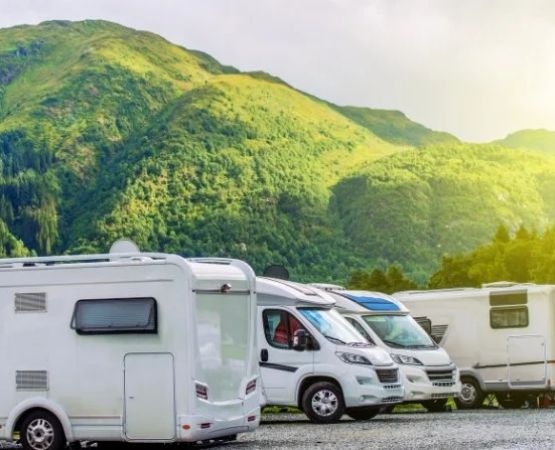
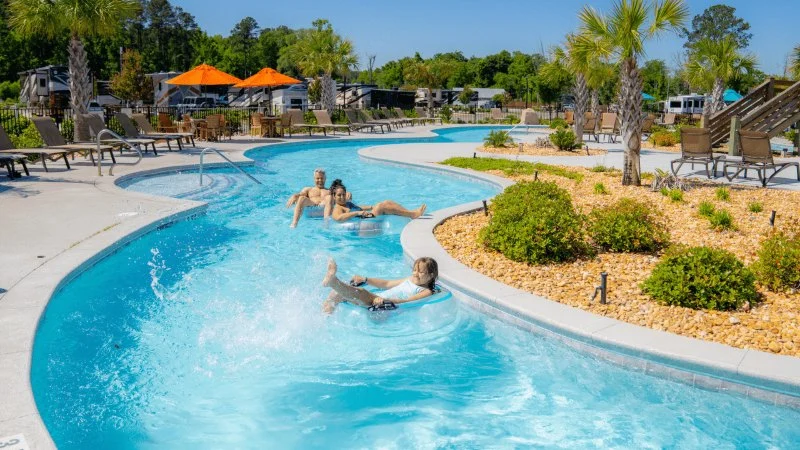
Private campgrounds cater to a wide range of campers. Some focus on luxury RV travelers, while others provide family-friendly amenities such as swimming pools, playgrounds, and organized activities.
These campgrounds can be particularly attractive for first-time campers who want additional comfort and convenience.
4. Dispersed Camping Areas
For adventurers seeking solitude, dispersed camping on public lands offers an entirely different experience. Instead of designated campsites, campers choose their own location within approved areas.
This style of camping requires greater preparation and self-sufficiency but rewards visitors with privacy and spectacular natural surroundings.
How Real Reviews Reveal the Truth About a Campground
One of the biggest mistakes new campers make is focusing exclusively on star ratings.
A campground with hundreds of positive reviews may still be a poor fit for your specific needs. Likewise, a campground with a slightly lower rating may provide exactly the experience you are seeking.
Look Beyond the Overall Score
Instead of concentrating only on ratings, examine recurring themes in reviews. Experienced campers often mention details such as:
1. Site spacing and privacy.
2. Cleanliness of restrooms and showers.
3. Noise levels during weekends.
4. Cell phone coverage.
5. Access to hiking trails and water activities.
6. Quality of campground staff.
Pay Attention to Recent Reviews
Campgrounds change over time. Management changes, renovations occur, and environmental conditions evolve. A review from four years ago may no longer accurately represent current conditions.
The most valuable insights usually come from visitors who camped there within the last season.
Identify Reviewer Patterns
An RV traveler and a backpacker often evaluate campgrounds differently. Understanding the perspective of each reviewer helps determine whether their experience aligns with your expectations.
This simple habit can dramatically improve your ability to find the best campground for your specific travel style.
How Maps Can Save You From Common Camping Disappointments
Maps provide much more than directions. They offer valuable context that reviews alone cannot deliver.
Evaluate Nearby Roads
A campground may appear secluded in photos, but maps can reveal highways, rail lines, or industrial areas nearby. These features often become sources of unwanted noise.
Analyze Terrain and Elevation
Elevation changes influence weather, temperature, and accessibility. Campgrounds located in mountainous regions may offer cooler temperatures during summer but could present challenges for larger RVs.
Check Distance to Services
Many first-time campers underestimate how important nearby services can be. Knowing the location of grocery stores, fuel stations, medical facilities, and outdoor supply shops provides valuable peace of mind.
Using maps strategically allows you to identify potential issues before they affect your trip.
Insider Tips That Experienced Campers Rarely Share
Veteran campers often develop habits that significantly improve their outdoor experiences.
1. Camp Midweek When Possible
Many of America's most beautiful campgrounds feel completely different on a Tuesday than they do on a holiday weekend. Fewer crowds mean quieter surroundings, easier reservations, and more opportunities to connect with nature.
2. Arrive Before Sunset
Setting up camp in daylight reduces stress and allows time to familiarize yourself with the campground layout.
3. Research Weather Patterns, Not Just Forecasts
Understanding seasonal weather trends helps you prepare more effectively than relying solely on short-term forecasts.
4. Contact the Campground Directly
Many experienced campers call campground offices before arriving. Staff members often provide valuable information about recent trail conditions, wildlife activity, road closures, and campsite recommendations.
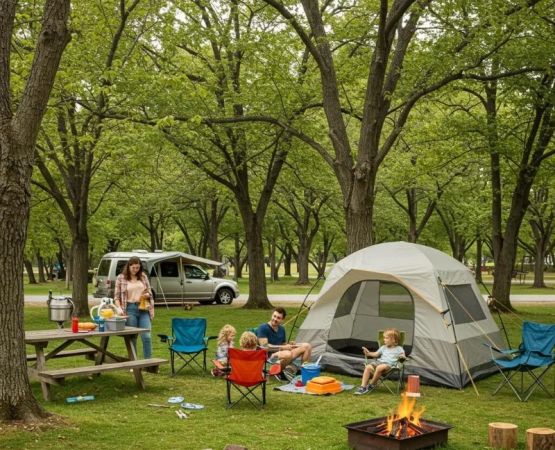
Choosing Campgrounds That Work Well for Families
Family camping requires additional considerations beyond scenery and location.
Safety and Accessibility
Families with young children often benefit from campgrounds featuring clearly marked trails, designated play areas, and nearby facilities.
Activities for Different Age Groups
The most successful family camping trips usually offer a variety of activities. Fishing, kayaking, hiking, wildlife viewing, and ranger programs help keep everyone engaged.
Comfort Without Losing Adventure
Many modern campgrounds strike an excellent balance between outdoor adventure and practical comfort. Clean facilities, reliable water access, and shaded campsites contribute significantly to family satisfaction.
This balance often encourages children to develop a lifelong appreciation for nature.
Finding Hidden-Gem Campgrounds Most Travelers Never Discover
Popular campgrounds receive the majority of online attention, but some of the most memorable camping experiences happen in lesser-known locations.
Many seasoned campers intentionally search beyond the first page of recommendations. Smaller state parks, county campgrounds, and regional recreation areas often provide exceptional scenery with far fewer crowds.
These hidden gems frequently offer:
1. Better campsite availability.
2. Lower camping fees.
3. Greater privacy.
4. More authentic local experiences.
5. Better opportunities for wildlife viewing.
Exploring beyond the most famous destinations can uncover remarkable places that become annual traditions.
A Real Camping Story That Changed How One Family Plans Trips
Several years ago, a family from Colorado planned a highly anticipated summer camping trip based solely on professional photographs they found online. The images showed a stunning lakeside campground surrounded by pine trees and mountain views.
Unfortunately, they skipped the review section.
Upon arrival, they discovered that a busy road ran directly behind the campground. Large vehicles passed throughout the night, making restful sleep nearly impossible.
The following year, they adopted a different approach. They carefully reviewed recent visitor comments, studied maps, and researched campsite layouts. They ultimately selected a lesser-known campground forty miles away.
That trip became one of their favorite family vacations. Quiet campsites, scenic hiking trails, and abundant wildlife created the peaceful outdoor experience they had originally envisioned.
Their story highlights an important lesson: beautiful photos should inspire interest, but real reviews and detailed research should guide the final decision.
Essential Gear and Preparation for a Better Campground Experience
Even the best campground cannot compensate for poor preparation.
Sleep Systems Matter
A comfortable sleeping setup often determines whether campers wake refreshed or exhausted. Investing in quality sleeping pads, sleeping bags, and weather-appropriate bedding improves every aspect of a trip.
Weather Readiness
Weather conditions can change rapidly, especially in mountainous or coastal regions. Layered clothing and waterproof equipment help ensure comfort under varying conditions.
Camp Kitchen Planning
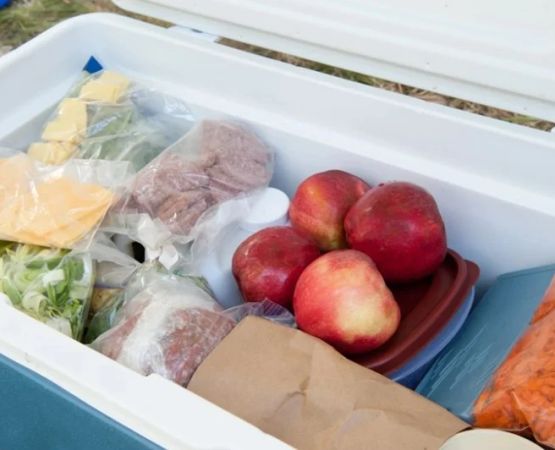
Simple meal preparation reduces stress and creates more time to enjoy outdoor activities. Experienced campers often prepare ingredients before departure, making campsite cooking faster and more enjoyable.
For campers looking to upgrade their outdoor equipment, discover trusted recommendations, camping essentials, destination guides, and practical advice through Camping With Kayla. Many outdoor enthusiasts use resources like these to identify gear that matches their camping style and travel goals.
Planning Your Next Camping Adventure With Confidence
Finding the best campgrounds near me in the United States is about much more than locating an empty campsite. It involves understanding campground types, analyzing real reviews, studying maps carefully, and learning from experienced campers who have already explored these destinations.
The most rewarding camping trips usually begin long before arrival. They start with thoughtful research, realistic expectations, and a willingness to look beyond flashy photos and marketing descriptions.
As camping continues to grow in popularity across America, travelers who combine real reviews, map analysis, and insider knowledge consistently enjoy better outdoor experiences. Whether you are planning a weekend getaway, a cross-country RV adventure, or a family vacation in the wilderness, taking the time to research properly can transform an ordinary trip into an unforgettable one.
If you are ready to discover even more campground recommendations, outdoor gear insights, trip-planning strategies, and expert advice, explore Camping With Kayla and learn how experienced campers create safer, more comfortable, and more memorable adventures throughout the United States. Your next favorite campground may be closer than you think.