Understanding Why Food Safety Matters in the Wild
- wildlife-awareness - how scent travels and attracts animals in camping areas
- food-risk-factors - identifying what makes food vulnerable outdoors
- campground-behavior - understanding animal patterns around human campsites
- real-experience-learning - lessons from actual camping encounters with wildlife
When you step into the wilderness, you are entering an environment where scent becomes a language. Animals rely heavily on smell to locate food sources, and even small traces of food can travel surprisingly far. This is why understanding how to keep food safe while camping without attracting wildlife is not just a comfort issue—it is a safety necessity.
Many first-time campers assume that storing food inside a tent or backpack is enough. However, in real outdoor conditions, even sealed packaging can release odors that attract curious animals. A well-known incident in a national park involved raccoons tearing through multiple campsites overnight simply because food wrappers were left unsealed in trash bags.
How Wildlife Detects Food Around Campsites
Wildlife such as bears, raccoons, foxes, and even birds have extremely sensitive olfactory systems. They can detect food odors from long distances depending on wind direction and environmental conditions. This means improper storage can turn an entire campsite into a feeding zone for animals.
One overlooked factor is indirect scent contamination. Items like toothpaste, deodorant, or cooking utensils can carry food-related smells. Even hands that have handled snacks can leave scent traces on tent zippers or sleeping gear, increasing the risk of attracting animals overnight.
Experienced campers often describe how “silent visitors” appear around campsites when food is not properly stored. These encounters are usually avoidable with correct outdoor food storage methods and consistent campsite hygiene practices.
Essential Food Storage Techniques That Actually Work
Using Bear-Proof Containers and Elevated Storage
Bear-proof containers are one of the most effective tools for wildlife safe camping tips. These hard-sided containers are designed to resist strong animal attempts to access food. When placed at least 100 feet away from sleeping areas, they significantly reduce risk.
In many regulated parks, campers are required to use certified containers or food lockers. Even in areas without strict rules, using these containers provides a strong layer of protection against opportunistic wildlife.
Proper Hanging Techniques for Food Suspension
In remote camping areas, hanging food bags from high tree branches remains a widely used method. The goal is to keep food at least 10–15 feet above ground and away from tree trunks. This prevents animals like raccoons and bears from easily accessing supplies.
However, improper hanging is a common mistake. Bags that are too close to branches or trunks can still be reached by agile animals. Proper knot techniques and rope tension are essential for effectiveness.
Separation of Cooking and Sleeping Zones
One of the most important camping food safety principles is maintaining strict separation between cooking areas and sleeping areas. Cooking should always take place downwind and at a safe distance from tents to prevent scent drift.
This separation also helps reduce accidental contamination of sleeping gear with food odors, which can otherwise attract wildlife during nighttime hours.
Real Camping Case: When One Snack Changed the Night
A group of campers once shared their experience in a forested campground where a single unopened bag of chips left inside a tent triggered a raccoon invasion. The animals tore through fabric and scattered gear across multiple sites, causing damage and fear among campers.
What made this situation worse was that the campers had followed most guidelines except one—they underestimated the scent strength of sealed packaged snacks. This highlights how even small oversights can escalate quickly in outdoor environments.
After this incident, park rangers reinforced strict outdoor food storage methods, emphasizing that anything edible or scented must be treated as wildlife-attracting material, regardless of packaging.
Maintaining Clean Campsite Habits to Avoid Wildlife Encounters
Cleanliness plays a critical role in avoid attracting animals camping strategies. Food crumbs, grease stains, and waste disposal habits all contribute to scent buildup around campsites.
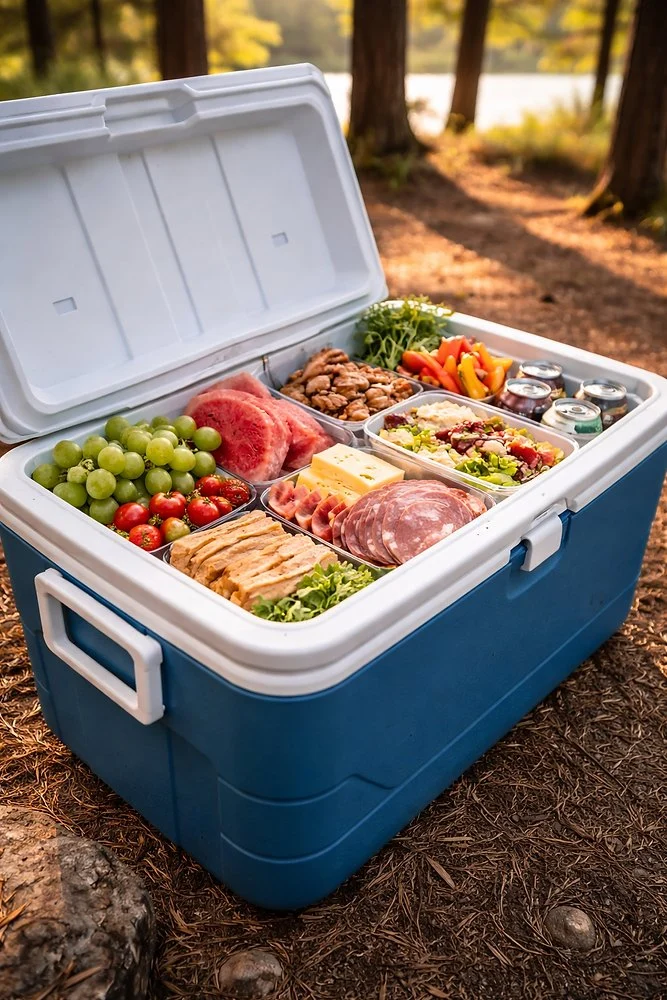
Washing dishes immediately after meals using biodegradable soap and storing leftovers in sealed containers helps reduce lingering smells. Trash should always be double-bagged and stored in designated wildlife-proof bins whenever available.
Even small habits like wiping cooking surfaces or changing clothes after meal preparation can significantly reduce scent traces that attract animals.
Nighttime Food Safety Strategies That Prevent Wildlife Visits
Nighttime is the most vulnerable period for campsite food exposure. Before sleeping, all food items should be secured in bear-proof camping food storage systems or elevated containers. Leaving anything edible inside tents is one of the most common mistakes among beginners.
Some campers also use scent-masking techniques, such as storing food separately in odor-resistant bags. While not a replacement for proper storage, these methods provide an additional layer of protection in high-risk areas.
One experienced camper described how switching to strict nighttime food storage habits eliminated repeated raccoon visits that had previously disrupted multiple camping trips.
Building a Safe and Sustainable Camping Routine
Long-term camping safety depends on consistent habits rather than one-time precautions. Developing a routine for food handling, cooking, storage, and cleanup ensures that wildlife encounters remain rare and preventable.
Many outdoor enthusiasts improve their camping experience by investing in reliable gear and learning structured safety practices. Platforms like Camping With Kayla offer helpful resources and curated equipment suggestions for campers who want to improve both convenience and safety in the wild.
Over time, these practices not only protect food but also preserve natural wildlife behavior by reducing human-animal interaction around campsites.