18 Camping Hacks That Save Space and Improve Comfort on Any Trip
Discover 18 camping hacks that will save space and make your trip more comfortable with practical real-life tips, gear strategies, and smart outdoor organization ideas.18 Camping Hacks That Save Space and Improve Comfort on Any TripSmarter Camping Starts Before You Leave Homeultralight-packing-strategies-for-better-mobility - How smart packing changes your entire camping experiencespace-saving-gear-tricks-that-free-up-your-backpack - Real ways to reduce bulk without losing essentialscomfort-upgrades-for-sleeping-and-rest - Simple adjustments that transform nights outdoorscamp-kitchen-efficiency-and-food-organization - Making meals easier without extra weightreal-camping-stories-that-show-what-actually-works - Lessons from real campers in the wildWhy Smart Packing Is the Real Foundation of Every Great Camping TripThe difference between a stressful trip and an enjoyable one often comes down to preparation. Many beginners underestimate how quickly space disappears once gear, food, and clothing are packed. That’s where 18 Camping Hacks That Will Save You Space and Make Your Trip More Comfortable become more than just ideas—they turn into practical survival-level organization skills.A group of friends in Colorado once shared how their first camping trip felt overwhelming simply because of poor packing. They brought duplicate tools, oversized cookware, and unnecessary clothing layers. After rethinking their approach, they cut their pack weight by nearly 30%, and the entire experience became far more enjoyable. That shift is exactly what smart camping is about.Hack 1–4: Lightweight Packing That Changes EverythingOne of the most important camping hacks is learning to prioritize multi-use gear. Instead of carrying separate tools for every task, experienced campers rely on items that serve multiple functions.For example, a simple stainless steel bottle can double as a cooking pot in emergency situations. Compression sacks reduce sleeping bag volume dramatically. Even clothing choices matter—quick-dry fabrics eliminate the need for excess outfits.These early adjustments in 18 Camping Hacks That Will Save You Space and Make Your Trip More Comfortable are what make long-distance hiking or car camping significantly easier.Hack 5–8: Backpack Organization That Actually Saves SpaceMany campers think packing is just about fitting everything inside a bag. In reality, organization determines accessibility and comfort. Poorly arranged backpacks lead to constant unpacking and frustration.A common real-world mistake is placing heavy items at the top instead of near the spine. This affects balance and increases fatigue during hikes. Experienced backpackers use vertical layering systems: heavy items centered, frequently used items near the top, and emergency gear easily reachable.These camping space saving tips improve not just storage but physical endurance over long distances.Hack 9–12: Sleeping Comfort Without Extra WeightSleeping outdoors is where many camping trips succeed or fail. Even the best daytime experiences can be ruined by a cold or uncomfortable night. Fortunately, comfort doesn’t require bulky gear.One effective trick is using insulated sleeping pads with reflective layers. These trap body heat without adding weight. Another is layering clothing strategically instead of relying on thick sleeping bags alone.A solo camper in Oregon once shared how switching to a modular sleep system improved her rest quality dramatically. She replaced a heavy sleeping bag with a layered setup and reported better warmth control and reduced backpack load.Hack 13–15: Camp Kitchen Efficiency That Reduces ClutterCooking outdoors often creates unnecessary bulk if not planned properly. Many campers overpack utensils, spices, and cookware. Instead, compact kitchen systems solve most of these problems.Stackable cookware, collapsible bowls, and pre-portioned meal kits reduce both weight and mess. Another overlooked trick is preparing ingredients at home—chopping vegetables and sealing them in lightweight containers before departure.These methods are core parts of modern camping comfort tricks that experienced outdoor enthusiasts rely on.Hack 16–17: Smart Storage That Keeps Camps OrganizedOnce at the campsite, organization becomes just as important as packing. Without a system, gear spreads quickly and creates chaos.Using hanging storage bags or designated gear zones inside the tent helps maintain order. One family camping in Utah shared how assigning specific “zones” for cooking, sleeping, and storage reduced setup confusion and made their entire trip feel more relaxed.These small systems are often overlooked in beginner guides but are essential parts of 18 Camping Hacks That Will Save You Space and Make Your Trip More Comfortable.Hack 18: Real-World Gear Choices That Make or Break Your TripThe final and most impactful hack is choosing the right gear ecosystem. Instead of buying random items, experienced campers build compatible setups—gear that works together efficiently.For example, matching stove systems with specific cookware sizes prevents wasted space. Similarly, choosing modular tents allows expansion or reduction based on group size.A hiking couple in Washington once upgraded their entire system after realizing mismatched gear was the reason for constant packing issues. After switching to a streamlined setup, they reduced setup time by half and improved overall comfort significantly.Turning Smart Camping Into a Repeatable SystemWhat separates occasional campers from experienced outdoor enthusiasts is consistency. Applying these camping space saving tips repeatedly turns them into habits rather than one-time tricks.Over time, packing becomes faster, lighter, and more efficient. Trips feel less stressful, and more energy is spent enjoying nature rather than managing gear.For campers looking to upgrade their setup further, exploring curated gear collections and outdoor planning resources can make a noticeable difference. Platforms like Camping With Kayla offer practical guidance and equipment suggestions designed specifically for real-world camping needs, helping outdoor travelers refine their systems and enjoy smoother adventures.
Smarter Camping Starts Before You Leave Home
- ultralight-packing-strategies-for-better-mobility - How smart packing changes your entire camping experience
- space-saving-gear-tricks-that-free-up-your-backpack - Real ways to reduce bulk without losing essentials
- comfort-upgrades-for-sleeping-and-rest - Simple adjustments that transform nights outdoors
- camp-kitchen-efficiency-and-food-organization - Making meals easier without extra weight
- real-camping-stories-that-show-what-actually-works - Lessons from real campers in the wild
Why Smart Packing Is the Real Foundation of Every Great Camping Trip
The difference between a stressful trip and an enjoyable one often comes down to preparation. Many beginners underestimate how quickly space disappears once gear, food, and clothing are packed. That’s where 18 Camping Hacks That Will Save You Space and Make Your Trip More Comfortable become more than just ideas—they turn into practical survival-level organization skills.
A group of friends in Colorado once shared how their first camping trip felt overwhelming simply because of poor packing. They brought duplicate tools, oversized cookware, and unnecessary clothing layers. After rethinking their approach, they cut their pack weight by nearly 30%, and the entire experience became far more enjoyable. That shift is exactly what smart camping is about.
Hack 1–4: Lightweight Packing That Changes Everything
One of the most important camping hacks is learning to prioritize multi-use gear. Instead of carrying separate tools for every task, experienced campers rely on items that serve multiple functions.
For example, a simple stainless steel bottle can double as a cooking pot in emergency situations. Compression sacks reduce sleeping bag volume dramatically. Even clothing choices matter—quick-dry fabrics eliminate the need for excess outfits.
These early adjustments in 18 Camping Hacks That Will Save You Space and Make Your Trip More Comfortable are what make long-distance hiking or car camping significantly easier.
Hack 5–8: Backpack Organization That Actually Saves Space
Many campers think packing is just about fitting everything inside a bag. In reality, organization determines accessibility and comfort. Poorly arranged backpacks lead to constant unpacking and frustration.
A common real-world mistake is placing heavy items at the top instead of near the spine. This affects balance and increases fatigue during hikes. Experienced backpackers use vertical layering systems: heavy items centered, frequently used items near the top, and emergency gear easily reachable.
These camping space saving tips improve not just storage but physical endurance over long distances.
Hack 9–12: Sleeping Comfort Without Extra Weight
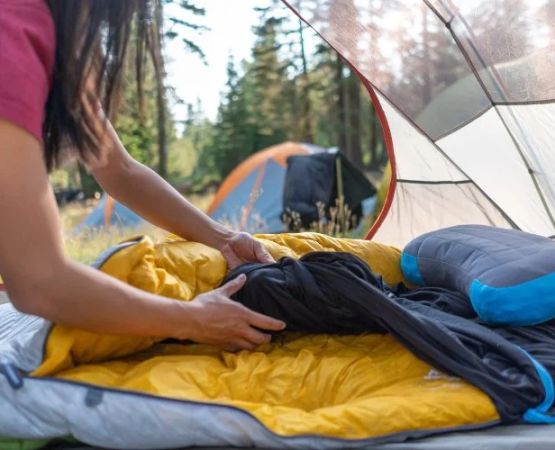
Sleeping outdoors is where many camping trips succeed or fail. Even the best daytime experiences can be ruined by a cold or uncomfortable night. Fortunately, comfort doesn’t require bulky gear.
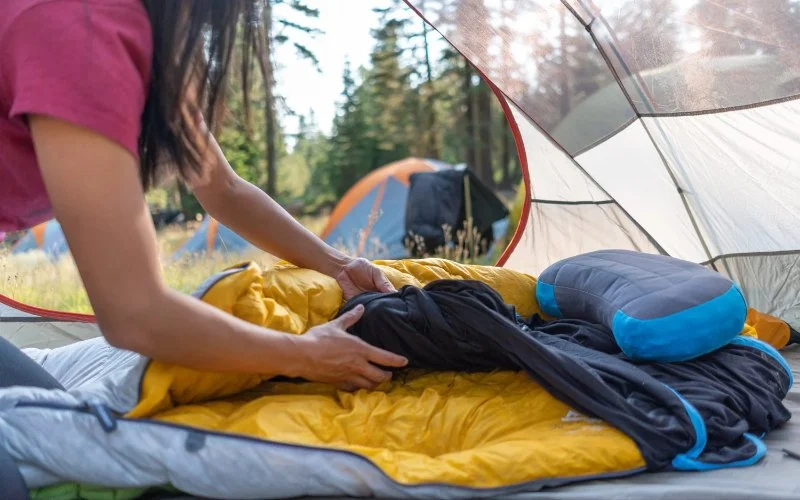
One effective trick is using insulated sleeping pads with reflective layers. These trap body heat without adding weight. Another is layering clothing strategically instead of relying on thick sleeping bags alone.
A solo camper in Oregon once shared how switching to a modular sleep system improved her rest quality dramatically. She replaced a heavy sleeping bag with a layered setup and reported better warmth control and reduced backpack load.
Hack 13–15: Camp Kitchen Efficiency That Reduces Clutter
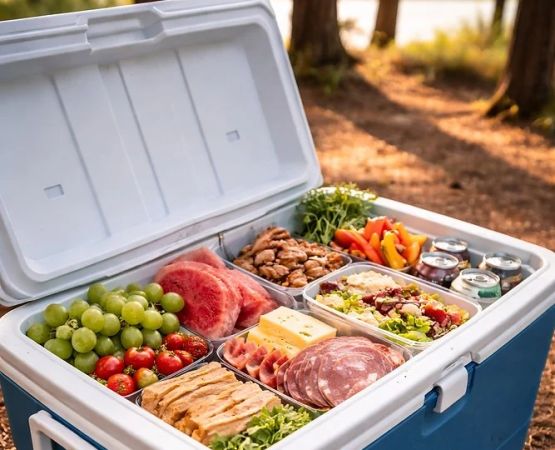
Cooking outdoors often creates unnecessary bulk if not planned properly. Many campers overpack utensils, spices, and cookware. Instead, compact kitchen systems solve most of these problems.
Stackable cookware, collapsible bowls, and pre-portioned meal kits reduce both weight and mess. Another overlooked trick is preparing ingredients at home—chopping vegetables and sealing them in lightweight containers before departure.
These methods are core parts of modern camping comfort tricks that experienced outdoor enthusiasts rely on.
Hack 16–17: Smart Storage That Keeps Camps Organized
Once at the campsite, organization becomes just as important as packing. Without a system, gear spreads quickly and creates chaos.
Using hanging storage bags or designated gear zones inside the tent helps maintain order. One family camping in Utah shared how assigning specific “zones” for cooking, sleeping, and storage reduced setup confusion and made their entire trip feel more relaxed.
These small systems are often overlooked in beginner guides but are essential parts of 18 Camping Hacks That Will Save You Space and Make Your Trip More Comfortable.
Hack 18: Real-World Gear Choices That Make or Break Your Trip
The final and most impactful hack is choosing the right gear ecosystem. Instead of buying random items, experienced campers build compatible setups—gear that works together efficiently.
For example, matching stove systems with specific cookware sizes prevents wasted space. Similarly, choosing modular tents allows expansion or reduction based on group size.
A hiking couple in Washington once upgraded their entire system after realizing mismatched gear was the reason for constant packing issues. After switching to a streamlined setup, they reduced setup time by half and improved overall comfort significantly.
Turning Smart Camping Into a Repeatable System
What separates occasional campers from experienced outdoor enthusiasts is consistency. Applying these camping space saving tips repeatedly turns them into habits rather than one-time tricks.
Over time, packing becomes faster, lighter, and more efficient. Trips feel less stressful, and more energy is spent enjoying nature rather than managing gear.
For campers looking to upgrade their setup further, exploring curated gear collections and outdoor planning resources can make a noticeable difference. Platforms like Camping With Kayla offer practical guidance and equipment suggestions designed specifically for real-world camping needs, helping outdoor travelers refine their systems and enjoy smoother adventures.