1. Camping With Kayla
  2. Camping Stories & Tips

18 Camping Hacks That Will Save Space and Improve Comfort

Discover 18 camping hacks that will save space and make your trip more comfortable with smart packing, gear optimization, and practical outdoor organization tips.

18 Camping Hacks That Will Save Space and Improve Comfort
  • space-saving-packing - Smart packing systems for camping efficiency
  • sleep-comfort-hacks - Better rest strategies in outdoor environments
  • kitchen-cooking-shortcuts - Simplified meal prep in the wild
  • gear-organization - Keeping equipment clean, compact, and accessible
  • camp-site-comfort - Small upgrades that improve outdoor living experience

18 Practical Camping Hacks That Transform Limited Space Into Real Comfort

Camping trips often look simple from the outside, but anyone who has actually tried fitting a week of gear into a single trunk knows the reality: space runs out fast, comfort disappears quickly, and the smallest disorganization can turn a peaceful trip into frustration. These camping hacks are built around one idea—making every inch count while still keeping your outdoor experience enjoyable, functional, and relaxed.

Smart Packing Strategies That Change Everything

1. Rolling Clothes Instead of Folding

One of the most effective space saving camping tips is rolling clothes tightly instead of folding them. This not only saves space but also reduces wrinkles. Many experienced campers swear by this method because it allows them to fit nearly 30% more clothing into the same backpack volume.

2. Packing Cubes for Instant Organization

Packing cubes help separate clean clothes, dirty laundry, and gear categories. This small upgrade eliminates the “everything dumped in one bag” problem that often leads to wasted time searching for essentials.

3. Use Compression Bags for Bulky Items

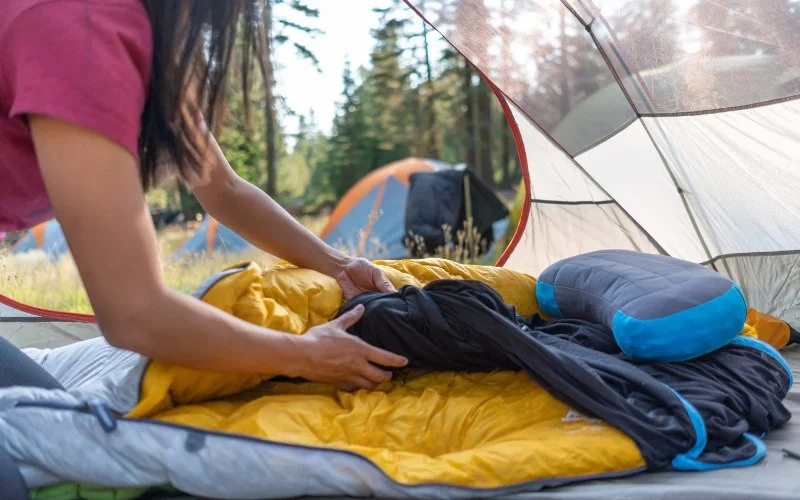
Sleeping bags and jackets take up significant space. Compression bags remove unnecessary air and shrink these items dramatically, making them ideal for compact camping setups where every inch matters.

4. Multi-Use Clothing Choices

Instead of packing separate outfits for each activity, choose versatile clothing that works for hiking, cooking, and casual wear. This is one of the most overlooked camping hacks but has a massive impact on luggage reduction.

5. Pre-Pack “Day Kits”

Separate your gear into daily-use kits so you don’t carry everything at once. This improves mobility and keeps your campsite cleaner and more organized.

Sleeping Comfort Hacks for Better Rest Outdoors

6. Layer Your Sleeping Setup

Instead of relying on a single sleeping pad, combine a foam base with an inflatable pad. This improves insulation and reduces discomfort from uneven ground.

7. Warm Water Bottle Trick

Fill a sealed bottle with warm water and place it inside your sleeping bag. It acts like a natural heater and improves sleep quality on cold nights.

8. Choose Campsite Position Wisely

Avoid low ground where cold air settles. A slightly elevated, flat surface can dramatically improve nighttime comfort.

9. Noise Reduction Hack

Soft earplugs or white noise apps help block unpredictable outdoor sounds like wind or wildlife movement, allowing deeper rest.

10. Pillow Replacement Strategy

Instead of carrying a full pillow, stuff clothes into a soft sack or jacket sleeve. It saves space and doubles as packing efficiency.

Cooking and Food Preparation Shortcuts

11. Pre-Chop Ingredients at Home

Prepping vegetables and proteins before your trip reduces campsite workload and cleanup time significantly.

12. One-Pot Meal Planning

Design meals that require only one pot or pan. This reduces dishwashing effort and conserves water.

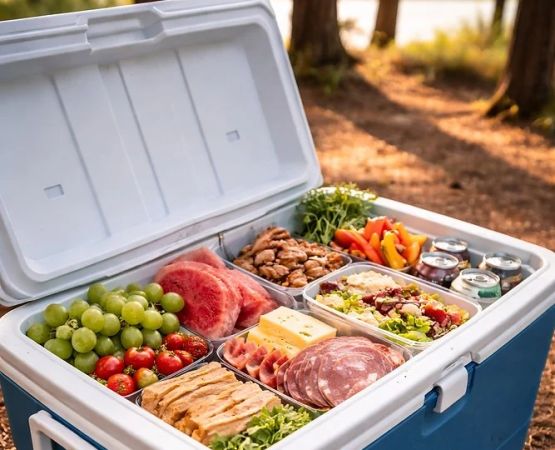
13. Stackable Food Containers

Using stackable containers improves storage efficiency and prevents food from getting crushed during transport.

14. Freeze Meals Before Departure

Frozen meals act as natural ice packs in coolers and slowly thaw during your trip, staying fresh longer.

15. Spice Kit Mini Bottles

Instead of carrying full spice jars, transfer essentials into small labeled containers. This reduces weight and clutter.

Gear Organization for Stress-Free Camping

16. Hanging Gear System

Use a portable hanging organizer inside your tent. It keeps flashlights, tools, and personal items visible and accessible.

17. Clear Storage Boxes

Transparent containers eliminate guesswork and help you quickly identify gear without unpacking everything.

18. “Return-to-Base” Rule

After every use, return items to their designated place. This simple habit prevents campsite chaos over multiple days.

Real Camping Story: When Small Hacks Saved a Whole Trip

A group of campers once shared a story from a weekend trip in Colorado where unexpected rain turned their campsite into a muddy challenge. One member had used compression bags, labeled storage, and pre-packed meal kits. While others struggled digging through soaked backpacks, this organized setup allowed quick shelter preparation and dry clothing access. The group later agreed that without those small space-saving camping tips, the trip would have been far more stressful.

How Small Improvements Create Big Outdoor Comfort

Camping comfort is rarely about expensive gear alone. In most cases, it’s about organization, preparation, and smart use of limited space. Even simple changes like rolling clothes or pre-planning meals can completely transform the experience from chaotic to enjoyable.

For campers looking to upgrade their setup or discover better gear combinations, Camping With Kayla offers practical recommendations designed to make outdoor trips more efficient, comfortable, and enjoyable without unnecessary complexity.
More

22 Camping Hacks That Will Change Your Outdoor Experience

22 Camping Hacks That Will Change Your Outdoor Experience

Jun 24, 2026

Discover 22 camping hacks that will completely change your outdoor experience with practical tips, real-life camping stories, and expert advice for comfort, safety, and efficiency.

18 Camping Hacks That Save Space and Improve Comfort on Any Trip

18 Camping Hacks That Save Space and Improve Comfort on Any Trip

Jun 19, 2026

Discover 18 camping hacks that will save space and make your trip more comfortable with practical real-life tips, gear strategies, and smart outdoor organization ideas.18 Camping Hacks That Save Space and Improve Comfort on Any TripSmarter Camping Starts Before You Leave Homeultralight-packing-strategies-for-better-mobility - How smart packing changes your entire camping experiencespace-saving-gear-tricks-that-free-up-your-backpack - Real ways to reduce bulk without losing essentialscomfort-upgrades-for-sleeping-and-rest - Simple adjustments that transform nights outdoorscamp-kitchen-efficiency-and-food-organization - Making meals easier without extra weightreal-camping-stories-that-show-what-actually-works - Lessons from real campers in the wildWhy Smart Packing Is the Real Foundation of Every Great Camping TripThe difference between a stressful trip and an enjoyable one often comes down to preparation. Many beginners underestimate how quickly space disappears once gear, food, and clothing are packed. That’s where 18 Camping Hacks That Will Save You Space and Make Your Trip More Comfortable become more than just ideas—they turn into practical survival-level organization skills.A group of friends in Colorado once shared how their first camping trip felt overwhelming simply because of poor packing. They brought duplicate tools, oversized cookware, and unnecessary clothing layers. After rethinking their approach, they cut their pack weight by nearly 30%, and the entire experience became far more enjoyable. That shift is exactly what smart camping is about.Hack 1–4: Lightweight Packing That Changes EverythingOne of the most important camping hacks is learning to prioritize multi-use gear. Instead of carrying separate tools for every task, experienced campers rely on items that serve multiple functions.For example, a simple stainless steel bottle can double as a cooking pot in emergency situations. Compression sacks reduce sleeping bag volume dramatically. Even clothing choices matter—quick-dry fabrics eliminate the need for excess outfits.These early adjustments in 18 Camping Hacks That Will Save You Space and Make Your Trip More Comfortable are what make long-distance hiking or car camping significantly easier.Hack 5–8: Backpack Organization That Actually Saves SpaceMany campers think packing is just about fitting everything inside a bag. In reality, organization determines accessibility and comfort. Poorly arranged backpacks lead to constant unpacking and frustration.A common real-world mistake is placing heavy items at the top instead of near the spine. This affects balance and increases fatigue during hikes. Experienced backpackers use vertical layering systems: heavy items centered, frequently used items near the top, and emergency gear easily reachable.These camping space saving tips improve not just storage but physical endurance over long distances.Hack 9–12: Sleeping Comfort Without Extra WeightSleeping outdoors is where many camping trips succeed or fail. Even the best daytime experiences can be ruined by a cold or uncomfortable night. Fortunately, comfort doesn’t require bulky gear.One effective trick is using insulated sleeping pads with reflective layers. These trap body heat without adding weight. Another is layering clothing strategically instead of relying on thick sleeping bags alone.A solo camper in Oregon once shared how switching to a modular sleep system improved her rest quality dramatically. She replaced a heavy sleeping bag with a layered setup and reported better warmth control and reduced backpack load.Hack 13–15: Camp Kitchen Efficiency That Reduces ClutterCooking outdoors often creates unnecessary bulk if not planned properly. Many campers overpack utensils, spices, and cookware. Instead, compact kitchen systems solve most of these problems.Stackable cookware, collapsible bowls, and pre-portioned meal kits reduce both weight and mess. Another overlooked trick is preparing ingredients at home—chopping vegetables and sealing them in lightweight containers before departure.These methods are core parts of modern camping comfort tricks that experienced outdoor enthusiasts rely on.Hack 16–17: Smart Storage That Keeps Camps OrganizedOnce at the campsite, organization becomes just as important as packing. Without a system, gear spreads quickly and creates chaos.Using hanging storage bags or designated gear zones inside the tent helps maintain order. One family camping in Utah shared how assigning specific “zones” for cooking, sleeping, and storage reduced setup confusion and made their entire trip feel more relaxed.These small systems are often overlooked in beginner guides but are essential parts of 18 Camping Hacks That Will Save You Space and Make Your Trip More Comfortable.Hack 18: Real-World Gear Choices That Make or Break Your TripThe final and most impactful hack is choosing the right gear ecosystem. Instead of buying random items, experienced campers build compatible setups—gear that works together efficiently.For example, matching stove systems with specific cookware sizes prevents wasted space. Similarly, choosing modular tents allows expansion or reduction based on group size.A hiking couple in Washington once upgraded their entire system after realizing mismatched gear was the reason for constant packing issues. After switching to a streamlined setup, they reduced setup time by half and improved overall comfort significantly.Turning Smart Camping Into a Repeatable SystemWhat separates occasional campers from experienced outdoor enthusiasts is consistency. Applying these camping space saving tips repeatedly turns them into habits rather than one-time tricks.Over time, packing becomes faster, lighter, and more efficient. Trips feel less stressful, and more energy is spent enjoying nature rather than managing gear.For campers looking to upgrade their setup further, exploring curated gear collections and outdoor planning resources can make a noticeable difference. Platforms like Camping With Kayla offer practical guidance and equipment suggestions designed specifically for real-world camping needs, helping outdoor travelers refine their systems and enjoy smoother adventures.

How to Keep Food Safe While Camping Without Attracting Wildlife

How to Keep Food Safe While Camping Without Attracting Wildlife

Jun 14, 2026

Learn how to keep food safe while camping without attracting wildlife using proven storage methods, real camping stories, and practical outdoor safety tips for beginners and experienced campers.

Campgrounds vs RV Parks: How to Choose Based on Travel Style

Campgrounds vs RV Parks: How to Choose Based on Travel Style

Jun 13, 2026

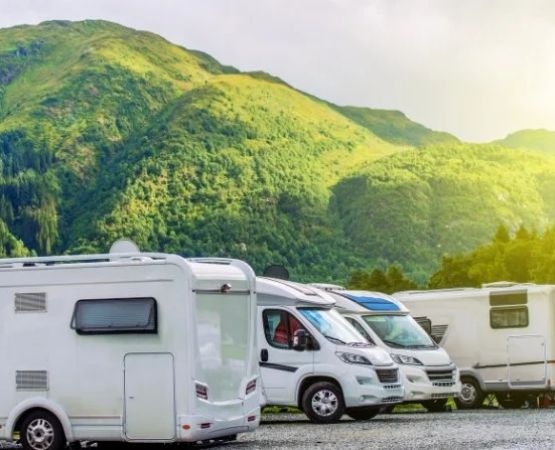
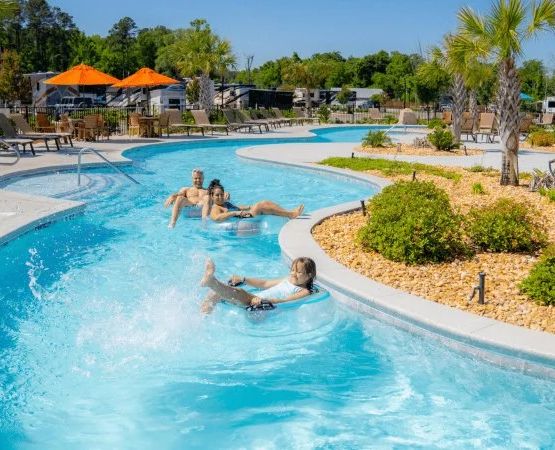
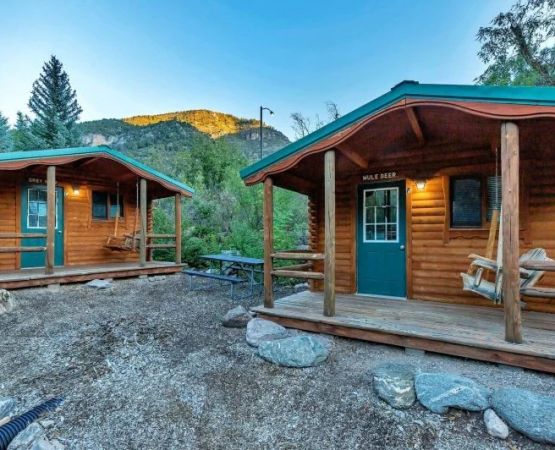
Learn how to choose between campgrounds and RV parks in the US based on your travel style, comfort needs, and trip goals with real examples and expert camping advice.Campgrounds vs RV Parks: How to Choose Based on Travel StyleChoosing the Right Place to Stay on the Road: Campground or RV Park?campgrounds-vs-rv-parks-basics - understanding the core differences in the UStravel-style-matching - how personality shapes your camping choiceamenities-vs-nature - balancing comfort and outdoor experiencereal-road-trip-examples - stories from US travelersplanning-your-camping-route - making smarter decisions for long tripsUnderstanding Campgrounds vs RV Parks in the USWhen planning a road trip across the United States, one of the most important decisions travelers face is choosing between campgrounds and RV parks. At first glance, they might seem similar—both offer places to stay outdoors—but the experience they provide can be completely different depending on your travel expectations.Campgrounds usually focus on nature immersion. They are often located in national parks, forests, or lakeside areas, offering a more rustic and scenic experience. RV parks, on the other hand, prioritize convenience, utilities, and structured layouts designed specifically for motorhomes and trailers.Why This Choice Matters More Than You ThinkMany first-time travelers underestimate how much this decision impacts their overall trip. Choosing the wrong type of stay can lead to discomfort, unnecessary expenses, or missing out on the experience they actually wanted.For example, someone seeking peace and nature might feel overwhelmed in a crowded RV park, while a traveler needing consistent electricity and Wi-Fi may struggle in a remote campground without hookups.How Travel Style Defines Your Camping Experience1. The Nature-Focused ExplorerIf your ideal trip includes hiking trails, wildlife sightings, and nights under the stars with minimal distractions, campgrounds are often the better fit. These locations prioritize natural surroundings over convenience.A traveler named Mark from Colorado once shared his experience driving through Utah’s national parks. He chose remote campgrounds near Zion and Bryce Canyon, waking up each morning surrounded by silence and canyon views. For him, RV parks would have felt too structured and disconnected from nature.2. The Comfort-Oriented RV TravelerSome travelers prefer predictability and comfort, especially on long cross-country journeys. RV parks offer full hookups, clean shower facilities, laundry access, and even entertainment areas in some locations.Families traveling with children often choose RV parks because they provide stability after long driving days. The ability to plug in electricity, refill water, and enjoy reliable services makes the journey easier and less stressful.3. The Flexible Hybrid TravelerA growing number of US travelers now combine both options. They may stay in RV parks during transit days and switch to campgrounds when visiting scenic destinations. This hybrid approach balances comfort with adventure.What You Get at Campgrounds vs RV ParksCampgrounds: Raw Nature and SimplicityCampgrounds typically offer basic amenities such as fire pits, picnic tables, and shared restroom facilities. Some remote sites may have no running water or electricity at all.This simplicity is exactly what many travelers seek. It encourages unplugging from technology and reconnecting with the outdoors. However, it requires preparation and self-sufficiency.RV Parks: Structured ConvenienceRV parks are designed for convenience. Most include full hookups for water, electricity, and sewage. Many also offer Wi-Fi, security, and even recreational facilities like pools or game rooms.This structure makes RV parks especially appealing for long-term travelers or those new to RV living in the US.Real Travel Story: The Wrong Choice That Changed the TripA couple traveling from Texas to California once shared their experience of booking only RV parks for a coastal road trip. While the comfort was great, they later realized they had missed some of the most scenic camping spots along the Pacific Coast Highway.On their return trip, they mixed in coastal campgrounds and described the experience as completely different—falling asleep to ocean waves instead of RV park noise. This balance taught them that location often matters more than convenience.How to Match Your Personality With the Right Option1. If You Value IndependenceCampgrounds give you more freedom to disconnect and follow your own rhythm. You are less dependent on infrastructure and more connected to the environment.2. If You Value PredictabilityRV parks provide consistency. You know what to expect in terms of utilities, security, and space, which reduces travel stress.3. If You Travel Long-TermLong-term RV travelers often prefer alternating between both options. It prevents burnout and keeps the journey interesting.Planning a Smarter US Road Trip StrategyA successful road trip isn’t just about destinations—it’s about how well your stops match your travel needs. Mapping out campgrounds and RV parks in advance helps avoid last-minute stress, especially in popular regions like Yellowstone, Arizona, or the Pacific Northwest.Many experienced travelers use a combination strategy: reserving RV parks in busy cities and relying on campgrounds for scenic national park stays. This ensures both comfort and adventure are balanced throughout the journey.For travelers looking to refine their camping experience further, resources like Camping With Kayla offer helpful insights, gear recommendations, and planning ideas tailored to different travel styles across the US.Making the Right Decision Before You Hit the RoadChoosing between campgrounds and RV parks is not just a logistical decision—it shapes the emotional tone of your entire journey. One offers freedom and raw nature, while the other provides structure and comfort.Understanding your travel personality is the key. Once you know what kind of experience you want, planning becomes easier, smoother, and far more enjoyable. Whether you're chasing sunsets in remote forests or enjoying full-service stops after long drives, the right choice makes every mile more meaningful.

How to Find the Best Campgrounds Near Me in the United States With Real Reviews, Maps, and Insider Tips

How to Find the Best Campgrounds Near Me in the United States With Real Reviews, Maps, and Insider Tips

Jun 10, 2026

Discover how to find the best campgrounds near me in the United States using real reviews, detailed maps, and insider tips. Learn how experienced campers choose the perfect camping destinations, avoid common mistakes, and create unforgettable outdoor adventures.

How to Find the Best Campgrounds Near Me With Bathrooms, Showers, and Modern Amenities

How to Find the Best Campgrounds Near Me With Bathrooms, Showers, and Modern Amenities

Jun 09, 2026

Learn how to find the best campgrounds near you with bathrooms, showers, and modern amenities. Discover real tips, campsite features, and expert camping advice for a better outdoor experience.