Smarter Ways to Enjoy the Wild: 22 Field-Tested Camping Hacks
- tent-and-shelter-strategies - Simple upgrades that make your sleeping setup more comfortable
- campfire-and-cooking-efficiency - Better ways to handle food and fire outdoors
- gear-organization-systems - Keeping your equipment accessible and stress-free
- weather-and-safety-preparation - Staying ready for unexpected outdoor conditions
- light-and-power-hacks - Smart lighting and energy solutions in the wilderness
- real-camping-experiences - Stories that show how small hacks make a big difference
- comfort-and-sleep-improvements - Better rest in tents and outdoor shelters
- pro-level-camping-insights - Techniques used by experienced outdoor travelers
Why Smart Camping Hacks Matter More Than Fancy Gear
Many beginners believe camping is all about expensive equipment, but experienced campers know the truth: success in the outdoors depends on smart habits, not just gear. The right camping hacks can transform a stressful trip into a smooth and enjoyable experience.
Whether you're deep in a forest, near a lake, or camping in a national park, small adjustments in preparation often matter more than high-end tents or premium sleeping bags.
1–6: Tent Setup Hacks That Change Everything
1. Use a Ground Tarp Even in Dry Weather
A ground tarp protects your tent from moisture, sharp rocks, and unexpected rain. Many campers skip this step, only to wake up in damp conditions.
2. Pre-Lay Your Tent Layout at Home
Practicing setup at home reduces frustration at the campsite, especially in low-light conditions or windy weather.
3. Use Reflective Rope for Night Safety
One camper shared how tripping over tent ropes at night ruined an entire trip. Reflective cords prevent this common accident.
4. Add Extra Stake Support in Windy Areas
Double staking corners improves stability during unexpected gusts, especially in mountain or coastal campsites.
5. Store Small Gear in Hanging Organizers
Instead of scattering items inside the tent, hanging storage keeps essentials visible and accessible.
6. Face Tent Entrance Away from Wind Direction
This simple adjustment improves temperature control and reduces dust entering the tent.
7–12: Fire and Cooking Efficiency Tricks
7. Pack Dryer Lint as Fire Starter
Dryer lint is lightweight and highly flammable, making it an excellent emergency fire starter.
8. Pre-Mix Meal Ingredients at Home
Pre-prepared meal packs reduce cooking stress and cleanup time at the campsite.
9. Use Foil Pack Cooking for Easy Cleanup
Cooking meals in foil packets reduces dishwashing and keeps food flavorful.
10. Store Spices in Contact Lens Containers
Small containers save space and allow easy seasoning variety during trips.
11. Keep Coffee Grounds in Filter Packs
This prevents mess and ensures fresh morning coffee without bulky equipment.
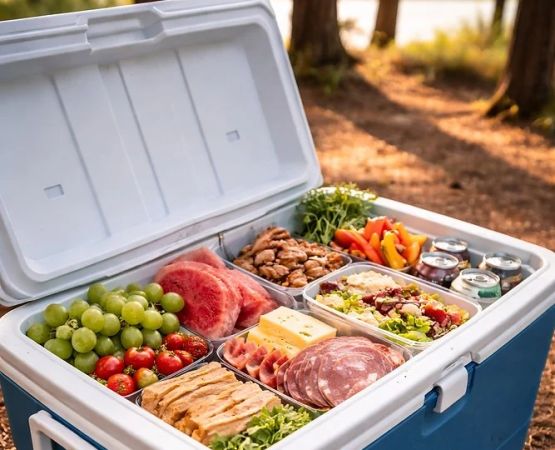
12. Freeze Water Bottles as Ice Packs
They keep food cold during travel and become drinking water later in the trip.
A group of hikers in Colorado once shared how pre-frozen water bottles saved their entire food supply during a 3-day hike in unexpectedly warm weather.
13–16: Gear Organization That Reduces Stress
13. Use Color-Coded Storage Bags
Assign colors for cooking, sleeping, and safety gear to avoid confusion.
14. Keep a “Grab-and-Go” Emergency Kit
This includes flashlight, first aid, fire starter, and multi-tool essentials.
15. Hang Gear on a Rope Line Between Trees
This keeps items dry and off the ground during wet conditions.
16. Pack Items in Reverse Order of Use
Items needed first should be packed last for easier access.
17–19: Weather and Safety Awareness Hacks
17. Check Weather in Multiple Sources
Outdoor conditions can change rapidly, especially in mountain regions.
18. Always Carry Emergency Heat Packs
These small tools can prevent hypothermia in unexpected cold conditions.
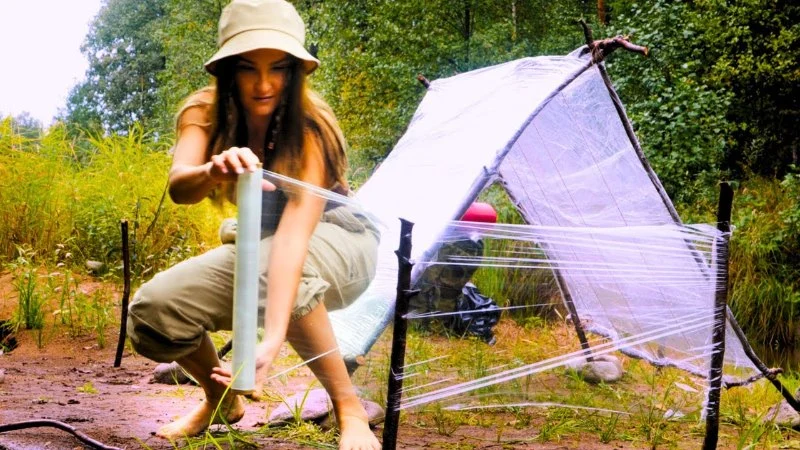
19. Learn Basic Natural Shelter Building
Even simple windbreak structures can dramatically improve survival comfort.
A real camping incident in Oregon showed how sudden storms forced campers to rely on improvised shelters using branches and tarps, highlighting the importance of preparation.
20–22: Comfort Enhancements That Feel Like Luxury Outdoors
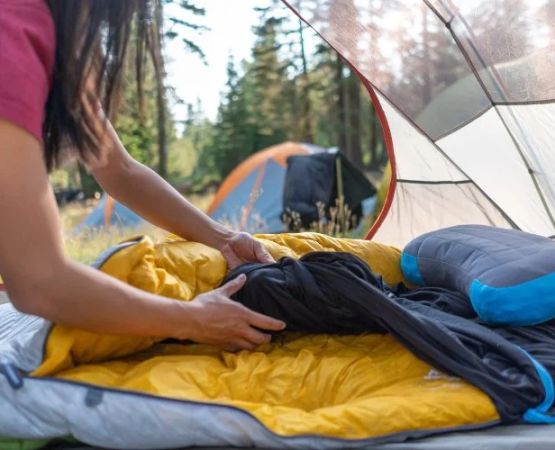
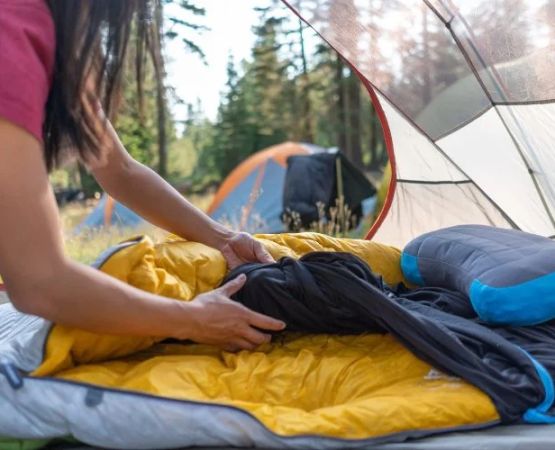
20. Use Foam Floor Layers Inside the Tent
This adds insulation and makes sleeping significantly more comfortable.
21. Bring a Compact Pillow Alternative
Stuffed jackets inside a dry bag can replace bulky pillows.
22. Create Ambient Lighting with Lantern Diffusers
Soft lighting reduces eye strain and improves nighttime atmosphere.
Many experienced campers say that small comfort upgrades make the difference between “surviving outdoors” and truly enjoying the experience.
Real-Life Story: When Simple Hacks Saved a Camping Trip
The Unexpected Rainstorm Incident
A family camping trip in Utah turned challenging when heavy rain arrived earlier than forecasted. Their tent setup included a ground tarp, elevated sleeping gear, and waterproof storage bags—simple but effective camping hacks.
How Preparation Made the Difference
While nearby campers struggled with soaked sleeping bags and ruined food supplies, this family remained dry and organized. Their preparation turned a potential disaster into a memorable, even enjoyable experience.
This story highlights how the right outdoor camping tips matter more than luck when conditions change quickly.
Where to Find Better Camping Gear and Ideas
If you’re looking to upgrade your setup or explore more practical camping solutions, platforms like Camping With Kayla offer curated gear ideas and outdoor essentials designed for both beginners and experienced adventurers.
Good preparation doesn’t remove challenges from camping—but it ensures those challenges become part of the adventure rather than the problem.