- minimalist-packing-foundation - understanding how to reduce weight without losing essentials
- gear-selection-strategy - choosing lightweight and multi-use camping equipment
- clothing-and-layering-efficiency - packing smart for changing outdoor conditions
- real-camping-experiences - lessons learned from overpacked trips and efficient upgrades
- advanced-travel-optimization - long-term habits for better camping mobility and comfort
Why Packing Light Matters More Than Ever for Modern Campers
Camping has evolved far beyond simply heading into the woods with a heavy backpack full of “just in case” items. Today’s campers are prioritizing efficiency, mobility, and comfort. That shift is exactly why learning effective camping packing tips has become essential for both beginners and experienced outdoor travelers.
When your pack is lighter, everything changes. Hiking becomes easier, setup takes less time, and you have more energy to actually enjoy nature instead of managing gear. The goal is not to remove comfort—it’s to remove unnecessary weight that slows you down.
Understanding the Core Philosophy of Packing Light
Less Weight Means More Freedom
A lighter pack allows you to move faster and cover more ground without fatigue. Many experienced backpackers describe it as the difference between surviving a trip and truly enjoying it. Efficient camping travel starts with mindset, not equipment.
Every Item Must Earn Its Place
One of the most effective rules in pack light camping is simple: if an item doesn’t serve at least two purposes, it likely doesn’t belong in your bag. This principle alone can eliminate unnecessary bulk.
18 Practical Camping Tips That Change Everything
1. Choose Multi-Functional Gear
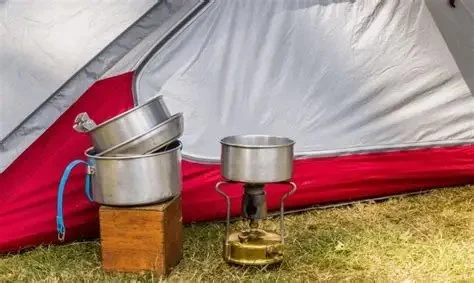
A pot that doubles as a bowl or a jacket that compresses into a pillow saves both space and weight. Lightweight camping gear should always serve more than one role.
2. Avoid “Just in Case” Packing
Many campers overpack because of uncertainty. However, most “just in case” items are never used. Experience shows that confidence grows with each trip, reducing unnecessary packing over time.
3. Use Compression Packing Bags
These bags reduce clothing volume significantly, making organization easier and backpacks more compact.
4. Plan Meals Before You Pack
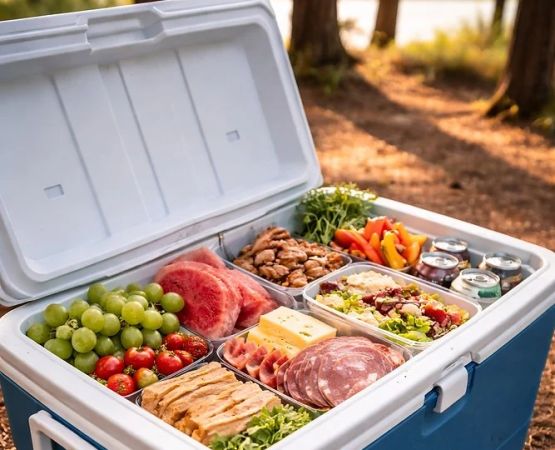
Meal planning prevents overpacking food and reduces waste. It also helps you choose lightweight, high-energy options instead of bulky extras.
5. Stick to a Lightweight Shelter System
Modern tents and hammocks are designed to be ultralight. Upgrading shelter systems can dramatically reduce total pack weight.
6. Limit Clothing to Layering Essentials
Instead of packing multiple outfits, focus on layering. One base layer, one insulating layer, and one weather-resistant layer are usually enough.
7. Pack Quick-Dry Materials
Quick-dry fabrics reduce the need for multiple clothing changes and simplify washing during longer trips.
8. Share Gear When Camping in Groups
Not everyone needs to carry a stove, first aid kit, or water filter. Group sharing significantly reduces individual load.
9. Minimize Cookware
A single lightweight pot is often enough for most meals. Extra cookware adds unnecessary weight.
10. Prioritize Portable Energy Sources
Rechargeable batteries or compact solar chargers eliminate the need for multiple disposable power sources.
11. Use Travel-Sized Hygiene Kits
Full-sized toiletries are unnecessary. Small containers are more than sufficient for short and medium trips.
12. Choose Lightweight Footwear
Heavy boots can slow you down significantly. Trail shoes often provide enough support while reducing fatigue.
13. Organize Gear by Frequency of Use
Items used often should be easily accessible. Rare-use items can be stored deeper in the pack.
14. Keep Emergency Gear Minimal but Effective
A compact first aid kit is enough for most situations. Overloading on emergency gear adds weight without practical benefit.
15. Pre-Pack and Test Your Bag Before Travel
Testing your load before a trip helps identify unnecessary items early, avoiding last-minute overpacking.
16. Learn From Every Trip
After each camping experience, review what you actually used. Over time, your packing becomes naturally optimized.
17. Invest in Compact Sleeping Systems
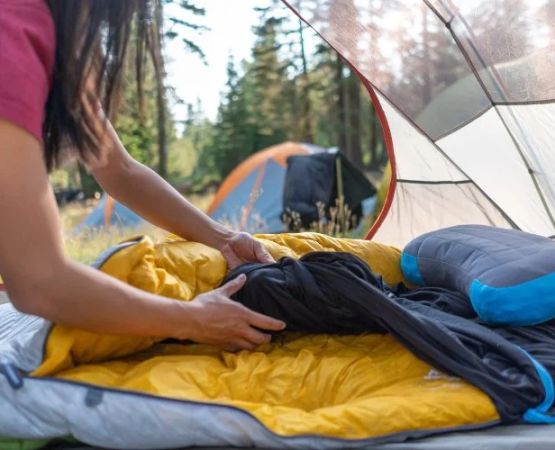
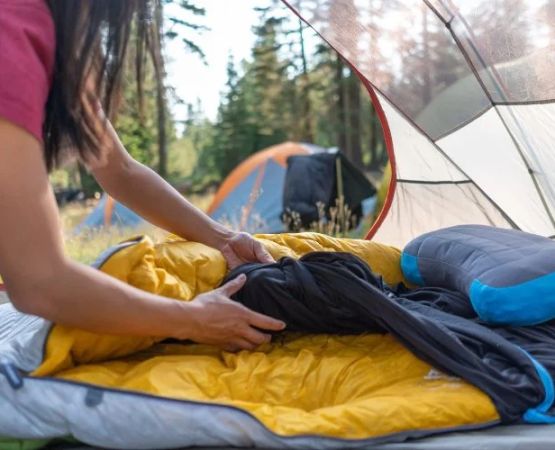
Sleeping bags and pads designed for backpacking significantly reduce bulk while maintaining comfort.
18. Build a Personal Packing Checklist
A consistent checklist ensures you never forget essentials while preventing random overpacking.
Real Camping Story: The Heavy Pack Mistake That Changed Everything
A group of hikers in Colorado once shared how their first mountain trip turned into a lesson in overpacking. Each person carried nearly 30% more weight than necessary, including duplicate tools and unused cooking gear.
By the second day, fatigue slowed the group dramatically. What should have been a scenic, enjoyable hike turned into a struggle against exhaustion. After that trip, they completely redesigned their packing system.
On their next outing, each member followed strict minimalist camping setup rules. The difference was immediate—faster hiking, more energy, and far more time spent enjoying the environment instead of managing gear.
How to Build a Long-Term Efficient Packing System
Start With Weight Tracking
Weighing your gear helps identify unnecessary heavy items. Many campers are surprised when they see how much their pack actually weighs.
Upgrade Gear Gradually
Instead of replacing everything at once, slowly transition to lightweight camping gear as items wear out.
Develop Seasonal Packing Versions
A summer pack should differ significantly from a winter one. Seasonal adjustments improve efficiency and comfort.
Common Mistakes That Make Camping Travel Inefficient
Overpacking Clothing
Most beginners bring too many outfits. In reality, a few versatile clothing items are enough for most trips.
Ignoring Weight Distribution
Even a light pack becomes uncomfortable if poorly balanced. Proper distribution reduces strain and improves mobility.
Not Testing Gear Before Departure
Unfamiliar gear can slow you down significantly during your trip.
Why Smart Packing Improves the Entire Camping Experience
Efficient camping travel is not just about convenience—it changes how you experience the outdoors. When your pack is light, your focus shifts from survival logistics to enjoying nature, exploring trails, and relaxing at camp.
Platforms like Camping With Kayla help outdoor enthusiasts discover smarter gear choices, refined packing strategies, and real-world tested camping systems that make every trip smoother and more enjoyable.