- planning-a-comfortable-off-grid-trip-importance-of-preparation-basis-for-success
- essential-gear-for-camping-without-electricity-lighting-cooking-sleeping-systems
- maintaining-comfort-in-the-wilderness-temperature-food-hygiene-and-routine
- real-life-camping-story-how-off-grid-challenges-turn-into-memorable-experiences
- expert-tips-and-modern-solutions-for-better-off-grid-camping-experiences
Planning a Comfortable Off-Grid Trip: Why Preparation Changes Everything
Camping without electricity feels simple on paper, but the difference between a stressful night and a peaceful outdoor experience usually comes down to preparation. When there is no access to outlets, refrigerators, or electric lighting, every decision—from what you pack to how you organize your campsite—starts to matter more than expected.
Many beginners underestimate how much modern comfort relies on electricity until they lose it. A well-planned off-grid camping trip is less about “roughing it” and more about creating a system where comfort is maintained through smart substitutes. This mindset shift is the foundation of learning how to camp comfortably without electricity.
Experienced campers often say that preparation is the real “invisible gear.” If you forget lighting, water storage, or food planning, the entire trip becomes reactive instead of enjoyable. That is why platforms like Camping With Kayla emphasize practical planning strategies and curated camping essentials designed specifically for off-grid environments.
Essential Gear That Replaces Electricity Without Sacrificing Comfort
Lighting Systems That Keep the Night Functional
When the sun goes down in the wilderness, darkness arrives faster and deeper than most people expect. Without electricity, reliable lighting becomes your most important comfort tool. Solar lanterns, hand-crank flashlights, and rechargeable battery lamps can completely change the camping experience.
A common mistake is relying on a single light source. Experienced campers often set up layered lighting: a central lantern for the campsite, headlamps for movement, and smaller backup lights for emergencies. This structure reduces stress and keeps nighttime activities safe and organized.
Cooking Without Power: Simplicity That Works Better Than Expected
One of the most rewarding parts of off-grid camping is cooking without electric appliances. Portable gas stoves, compact grills, and cast-iron cookware replace microwaves and kitchen gadgets surprisingly well.
A real example comes from a family trip in Oregon’s forest campsites where a group of beginners relied only on pre-made meals. After one night, they switched to simple one-pot meals cooked over a portable stove and reported that the experience felt more “connected” and satisfying. Cooking without electricity often encourages better eating habits and more intentional meal planning.
Sleeping Comfort in a Power-Free Environment
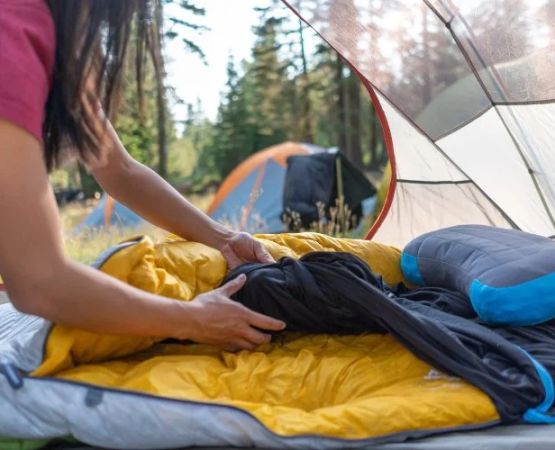
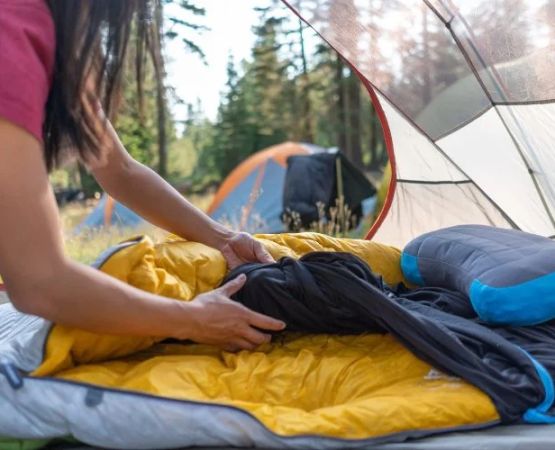
Sleep quality in camping depends less on electricity and more on insulation, surface comfort, and temperature control. High-quality sleeping pads, insulated sleeping bags, and layered clothing matter more than any electric heating device.
A useful approach is to treat your sleeping system like a portable bedroom. Instead of relying on powered climate control, you adjust layers and materials. This method not only improves sleep but also reduces dependency on modern systems.
Maintaining Comfort in Nature: Temperature, Hygiene, and Daily Flow
Managing Temperature Without Electric Devices
Weather can shift quickly outdoors, and without fans or heaters, campers must rely on natural regulation. Shade selection, wind direction, and clothing layering become critical.
For colder nights, insulating ground protection and thermal blankets help retain body heat. In warmer conditions, breathable fabrics and campsite placement near airflow zones make a noticeable difference.
Food Storage and Hygiene Without Refrigeration
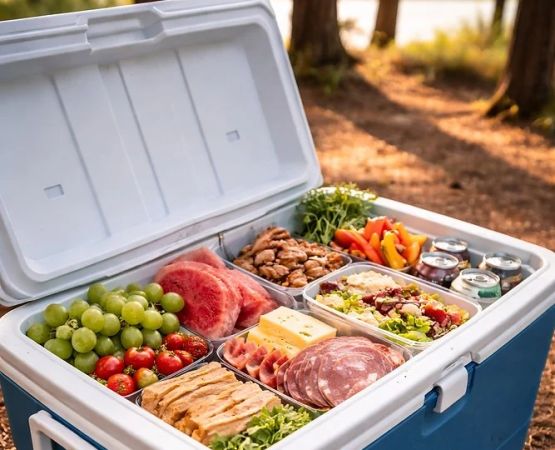
Without electricity, food planning becomes strategic. Non-perishable meals, coolers with ice packs, and careful portion control reduce waste and prevent spoilage.
Hygiene also requires adjustment. Portable wash stations, biodegradable wipes, and compact water containers help maintain cleanliness. While it may feel inconvenient at first, many campers find that simpler routines actually reduce daily stress.
Creating a Daily Rhythm in Off-Grid Camping
Without screens, devices, or electric distractions, time feels different outdoors. Establishing a natural rhythm—morning light activity, midday rest, evening cooking, and night wind-down—creates structure.
This rhythm is one of the most underrated benefits of off-grid camping. It reconnects people with environmental cues rather than artificial schedules.
A Real Camping Story: When Power-Free Living Became the Highlight
A group of friends once planned a weekend trip to the Appalachian foothills expecting minor inconvenience from the lack of electricity. The first night brought unexpected rain, limited visibility, and struggling flashlights. Initially, frustration set in.
However, by the second day, they adapted. They organized shared cooking duties, used lanterns strategically, and created a central gathering space around a fire. The absence of electricity forced collaboration and conversation that would not have happened otherwise.
By the end of the trip, they described the experience as “more memorable than any cabin stay.” This shift in perception is common among campers who learn how to adjust expectations and embrace simplicity.
Expert-Level Strategies for Better Off-Grid Camping Experiences
Pack for Function, Not Just Convenience
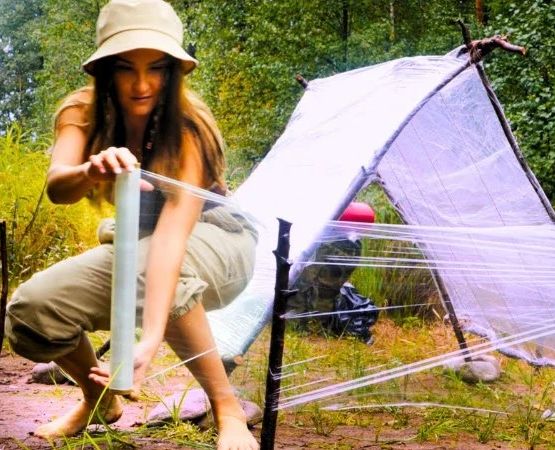
One of the biggest improvements in comfort comes from intentional packing. Instead of bringing multiple redundant gadgets, focus on multi-purpose tools. A single durable knife, a reliable stove, and a versatile tarp often outperform complex setups.
Use Natural Environment as an Extension of Your Gear
Trees for shade, rocks for seating, and wind direction for ventilation are all part of your campsite system. Learning to observe and use natural elements reduces dependence on equipment.
Practice Before Remote Trips
A backyard or nearby campground trial run helps identify missing gear or weak points in your setup. Many experienced campers recommend at least one “no-electricity practice night” before extended trips.
Where to Find Better Off-Grid Camping Solutions
For campers looking to improve their setup with tested gear and practical guidance, Camping With Kayla offers curated resources designed for real-world outdoor conditions. From lighting systems to sleeping gear recommendations, it helps bridge the gap between beginner discomfort and confident off-grid camping.
The key to mastering how to camp comfortably without electricity is not eliminating inconvenience—it is designing systems that replace it intelligently. Once that shift happens, camping becomes less about limitation and more about freedom.