
Borrowed Camping Gear: Inspect, Use, and Return It Dry
Borrow camping gear responsibly: agree on use, check fit and condition, inventory parts, practise setup, prevent damage, clean, dry, and return it.
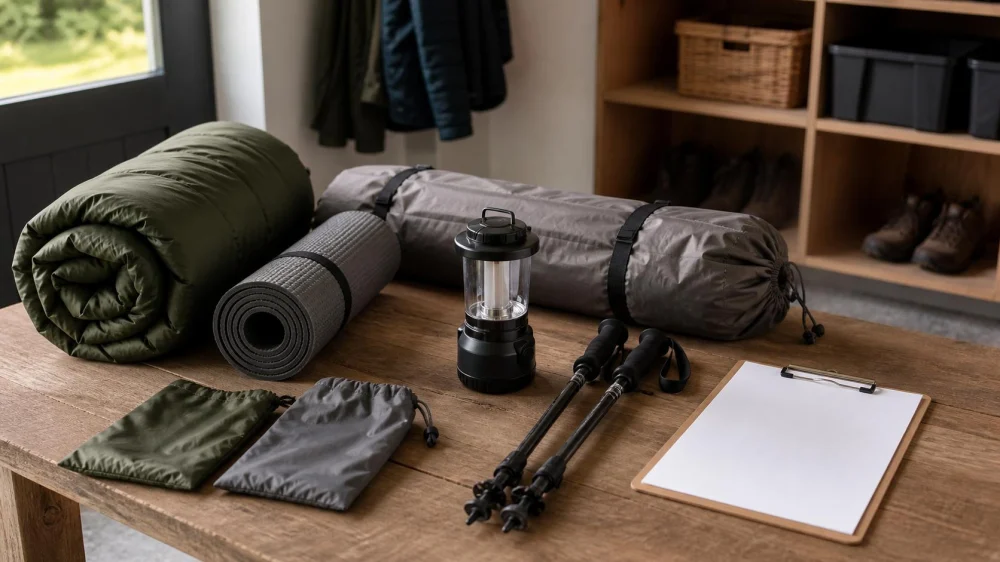
Borrowed Camping Gear: Inspect, Use, and Return It Dry
Table of contents
Quick answer: Before borrowing camping gear, agree on dates, permitted use, cleaning, damage, and replacement expectations. Lay out every component, inspect it with the owner, photograph existing wear, and practise setup before the trip. At home, clean the gear only as directed, dry it completely, restore every part to its bag, and return it on the agreed date.
Agree on the loan
Clarify who owns each item, when it can be collected, when it must be returned, and where it may be used. A backyard tent loan is different from permission for a windy coast, dusty desert, winter trip, airline baggage hold, or festival. Tell the owner about the actual destination and conditions.
Discuss who handles routine cleaning, consumables, repair, loss, and accidental damage. Agree on a reasonable replacement approach without assuming that an older item should be replaced by the newest model. If the equipment comes from a club, library, university, or rental program, its written policy controls.
Check fit and completeness
Make an inventory together. Count tent poles, stakes, guylines, clips, stuff sacks, pump adapters, repair pieces, straps, and instructions. Photograph the full layout and how small parts are packed. Avoid permanent labels or tape unless the owner approves them.
- Confirm tent capacity and sleeping-pad dimensions.
- Check sleeping-bag size and temperature information for the planned conditions.
- Adjust a backpack or trekking poles to the user.
- Verify that lanterns, pumps, and other devices use available power or batteries.
Do not rely on borrowed gear that is the wrong size or lacks a critical component. Arrange an alternative before departure.
Inspect condition
Look for tears, worn seams, bent poles, cracked buckles, damaged zips, loose handles, corrosion, mould, strong odours, leaking valves, frayed cords, and missing fasteners. Test moving parts gently according to the instructions. Record existing stains and repairs so they are not confused with new damage.
Check product notices and manufacturer instructions when they are available. Do not borrow recalled, improvised, or visibly unsafe equipment. Fuel-burning appliances, climbing gear, personal flotation devices, child carriers, electrical items, and other safety-critical gear require appropriate knowledge and especially careful inspection; use a qualified source when uncertain.
Practise before the trip
Pitch the tent in a suitable place, inflate the pad, fit the pack, operate the light, and repack everything. Practising reveals missing parts and confusing steps while help is available. Ask the owner to demonstrate unusual clips, valves, folding patterns, or storage methods.
Save instructions offline and note any technique the owner wants preserved. Never modify, cut, glue, waterproof, lubricate, wash, or repair borrowed equipment without permission. Bring a separate emergency repair option only if it is compatible and you know how to use it.
Protect gear at camp
Choose an appropriate site and use a groundsheet only as recommended. Keep sharp tools, sparks, flame, food, sunscreen, insect repellent, pets, and muddy footwear away from vulnerable fabric. Secure lightweight items before wind arrives and never drag packed gear across rough ground.
If damage occurs, prevent it from worsening without making an unauthorised permanent repair. Take clear photos, save broken pieces, and contact the owner when possible. Safety comes first: stop using equipment that cannot perform its intended function.
Clean, dry, and return
Follow the owner's and manufacturer's care directions. Shake out dry debris, spot-clean only with approved products, and avoid household detergents, machines, heat, or coatings unless specifically allowed. If gear is wet at checkout, transport it separately and unpack it promptly.
Air-dry every surface completely, including seams, pockets, sacks, straps, and tent footprint. Recount the inventory, place components in their original bags, and disclose new stains, wear, lost parts, or repairs. Return on time and give the owner enough opportunity to inspect the gear with you.
Limitations and safety
Borrowing saves money and storage, but unfamiliar or ageing equipment can fail. Carry appropriate backups for essential shelter, warmth, water, navigation, and communication. Never let the desire to protect borrowed property delay evacuation, first aid, or another necessary safety decision.
Frequently asked questions
Should I wash a borrowed sleeping bag?
Only with the owner's approval and the correct care instructions. Incorrect washing or drying can damage insulation, coatings, seams, and hardware.
What if I lose a tent stake?
Tell the owner and identify the exact size and type. Replace it only with approval so the set remains compatible.
Can I lend the gear to someone else?
Not without the owner's explicit permission. The original agreement does not automatically allow a second borrower or a different trip.
Next steps
- Agree on use, dates, care, loss, and damage.
- Inventory and photograph every item and existing flaw.
- Check fit, instructions, and safety before departure.
- Use the gear within the agreed conditions.
- Clean correctly, dry completely, recount, and return on time.
More
How to Choose the Right Tent Size for Your Group
Jul 15, 2026Learn how to choose the right tent size for your group with practical camping tips covering capacity, comfort, weather conditions, gear storage, and group camping needs.
How to Camp Comfortably in a Small Car Without Feeling Cramped or Disorganized
Jul 05, 2026Learn how to camp comfortably in a small car without feeling cramped or disorganized, with smart space-saving tips, gear strategies, real camping stories, and practical setup advice.
18 Camping Tips to Pack Light and Travel More Efficiently
Jul 02, 2026Discover 18 camping tips that help you pack light and travel more efficiently, with real camping stories, gear strategies, and practical outdoor packing advice.

25 Best Campgrounds in the US for Every Outdoor Experience
Jun 29, 2026Discover 25 Best Campgrounds in the US That Offer the Perfect Outdoor Experience for All Levels, from beginner-friendly sites to advanced wilderness escapes, with tips, stories, and planning advice for unforgettable camping trips.
How to Camp Comfortably Without Electricity: Practical Off-Grid Guide
Jun 27, 2026Learn how to camp comfortably without electricity using practical off-grid strategies, gear choices, and real camping experiences. Discover how Camping With Kayla helps you enjoy modern comfort in nature.
22 Camping Hacks That Will Change Your Outdoor Experience
Jun 24, 2026Discover 22 camping hacks that will completely change your outdoor experience with practical tips, real-life camping stories, and expert advice for comfort, safety, and efficiency.