1. Camping With Kayla
  2. Camping Stories & Tips

How to Camp Comfortably in a Small Car Without Feeling Cramped or Disorganized

Learn how to camp comfortably in a small car without feeling cramped or disorganized, with smart space-saving tips, gear strategies, real camping stories, and practical setup advice.

How to Camp Comfortably in a Small Car Without Feeling Cramped or Disorganized
  • #small-car-camping-space-optimization-and-layout-strategy
  • #minimalist-gear-selection-and-efficient-packing-methods
  • #sleep-comfort-and-airflow-management-in-vehicle-camping
  • #organization-systems-for-long-trips-and-weekend-getaways
  • #real-life-car-camping-experiences-and-practical-improvements

Understanding the Reality of Camping in a Small Car

Learning how to camp comfortably in a small car without feeling cramped or disorganized is less about having a large vehicle and more about understanding how to use limited space efficiently. Many beginners assume that small cars limit the camping experience, but with the right setup strategy, even compact vehicles can become surprisingly functional overnight shelters.

The challenge is not just sleeping inside the car—it is managing gear, movement, airflow, and mental comfort in a confined environment. Without a system, even a short camping trip can quickly feel chaotic.

At Camping With Kayla, experienced campers often emphasize that the difference between a stressful trip and a relaxing one comes down to preparation and intentional design of your interior space.

Choosing Minimalist Gear That Actually Works in Tight Spaces

One of the most important steps in small car camping setup is selecting the right gear. Many first-time campers make the mistake of bringing too much equipment, thinking they will “figure out storage later.” This almost always leads to clutter and discomfort.

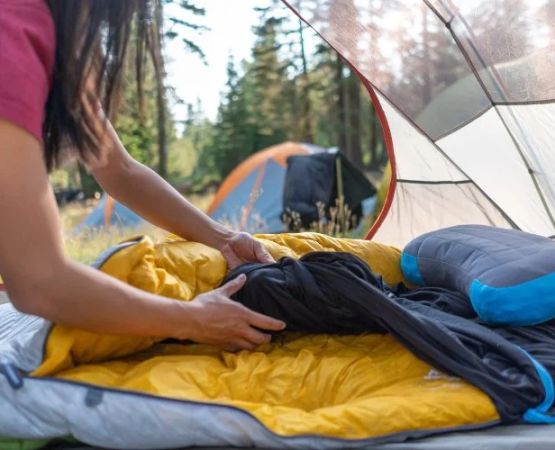
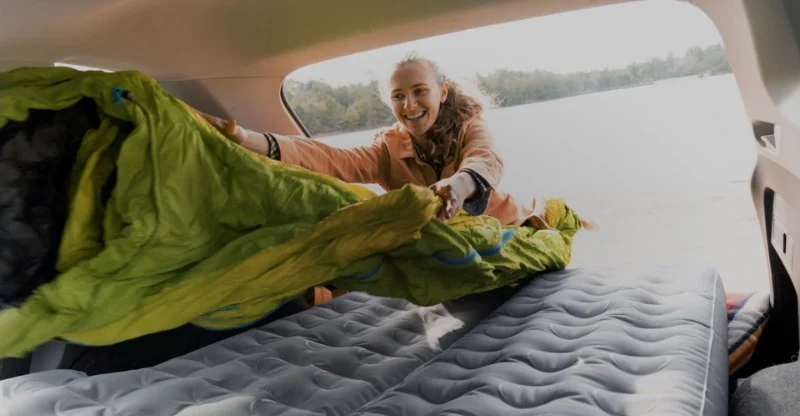
Instead, focus on multifunctional gear. A sleeping bag that compresses tightly, a foldable sleeping pad, and stackable storage bins can completely change how your space feels. The goal is to reduce volume, not just organize it.

Compact camping storage ideas often revolve around vertical thinking. Even in a small hatchback or sedan, you can utilize seat gaps, trunk corners, and footwells as designated storage zones.

A real-world example comes from a couple in Colorado who transitioned from SUV camping to a compact sedan due to fuel efficiency concerns. Initially, they struggled with clutter and discomfort. After switching to minimalist gear and adopting a strict “one-bin-per-category” system, their camping experience improved dramatically.

Camping With Kayla frequently highlights that minimalism is not about sacrifice—it is about intentional comfort.

Creating a Comfortable Sleeping Setup Inside a Small Car

Sleeping comfortably in a small car requires more than just reclining the seats. The interior layout must support both body alignment and airflow. Poor sleep setup is one of the main reasons campers abandon car camping after their first attempt.

Flattening the rear seats or creating a level sleeping platform can make a significant difference. Even a slight incline can lead to back discomfort over time.

Airflow is another critical factor. Without proper ventilation, condensation builds up quickly, making the environment feel damp and uncomfortable. Slightly cracked windows with mesh covers or portable ventilation fans can dramatically improve sleep quality.

A camper in Oregon shared their experience of waking up repeatedly due to poor airflow in their compact car setup. After installing simple window vents and adjusting sleeping direction, their rest improved significantly, allowing them to enjoy longer trips without fatigue.

Camping With Kayla often advises that sleep quality determines the success of the entire camping experience.

Keeping a Small Car Organized During Camping Trips

Organization is where most small car camping setups succeed or fail. Without structure, even minimal gear can feel overwhelming in a confined space.

A useful approach is dividing your car into functional zones: sleep zone, storage zone, and access zone. Each zone has a specific purpose, preventing overlap and clutter.

Using labeled soft bags instead of hard containers can also improve flexibility. Soft storage adapts to irregular spaces, which is essential in compact vehicles.

Another effective method is “daily access priority packing,” where items needed frequently are stored closest to the door or trunk opening.

A traveler in Arizona documented their first solo car camping trip where disorganization led to constant unpacking and repacking every time they needed an item. After restructuring their system using simple zones, their second trip felt significantly more relaxing and efficient.

Camping With Kayla recommends revisiting your organization system after every trip, as real-world experience is the best teacher.

Managing Comfort Beyond Just Space

Comfort in small car camping is not only about space—it is also about temperature, lighting, and mental comfort. Even a perfectly organized car can feel uncomfortable if environmental factors are ignored.

Temperature control is essential. In cold weather, insulated window covers help retain warmth. In warmer conditions, reflective shades and airflow management prevent overheating.

Lighting also plays a psychological role. Soft, warm LED lights create a more relaxing atmosphere compared to harsh white lighting.

A camper in Utah shared how switching from bright overhead lighting to small ambient LED strips made their car feel less like a storage space and more like a cozy sleeping area.

Camping With Kayla emphasizes that emotional comfort is just as important as physical comfort when spending nights in a vehicle.

Avoiding Common Mistakes in Small Car Camping

One of the most common mistakes is overpacking. Beginners often bring items “just in case,” which leads to clutter and reduced mobility inside the car.

Another frequent issue is failing to test the setup before the actual trip. Practicing your layout at home or in a driveway can reveal spacing issues before you are in a remote location.

Some campers also ignore weather conditions, assuming their setup will adapt automatically. In reality, preparation must be tailored to each environment.

A case from a weekend camper in Michigan showed how untested gear placement caused frustration during a rainy trip. After reorganizing based on pre-trip testing, their next outing was significantly smoother and more enjoyable.

Camping With Kayla often reminds campers that preparation is what transforms a cramped car into a functional living space.

Real Experiences That Show What Actually Works

Many experienced campers agree that small car camping becomes enjoyable only after several iterations of trial and error. Each trip teaches something new about layout, comfort, and efficiency.

One solo traveler in California shared how their first camping attempt felt chaotic and uncomfortable due to poor organization. After adopting a structured packing system and simplifying their gear, their future trips became much more enjoyable and peaceful.

Another family traveling in a compact hatchback found that assigning each family member a designated storage area reduced confusion and made setup and breakdown significantly faster.

These real-world experiences highlight a simple truth: comfort in small car camping is built through adjustment, not perfection.

Camping With Kayla continues to support campers in refining their setups, offering guidance on gear selection, organization strategies, and comfort optimization tailored specifically for small vehicle travel.

More

18 Camping Tips to Pack Light and Travel More Efficiently

18 Camping Tips to Pack Light and Travel More Efficiently

Jul 02, 2026

Discover 18 camping tips that help you pack light and travel more efficiently, with real camping stories, gear strategies, and practical outdoor packing advice.

25 Best Campgrounds in the US for Every Outdoor Experience

25 Best Campgrounds in the US for Every Outdoor Experience

Jun 29, 2026

Discover 25 Best Campgrounds in the US That Offer the Perfect Outdoor Experience for All Levels, from beginner-friendly sites to advanced wilderness escapes, with tips, stories, and planning advice for unforgettable camping trips.

How to Camp Comfortably Without Electricity: Practical Off-Grid Guide

How to Camp Comfortably Without Electricity: Practical Off-Grid Guide

Jun 27, 2026

Learn how to camp comfortably without electricity using practical off-grid strategies, gear choices, and real camping experiences. Discover how Camping With Kayla helps you enjoy modern comfort in nature.

22 Camping Hacks That Will Change Your Outdoor Experience

22 Camping Hacks That Will Change Your Outdoor Experience

Jun 24, 2026

Discover 22 camping hacks that will completely change your outdoor experience with practical tips, real-life camping stories, and expert advice for comfort, safety, and efficiency.

18 Camping Hacks That Will Save Space and Improve Comfort

18 Camping Hacks That Will Save Space and Improve Comfort

Jun 21, 2026

Discover 18 camping hacks that will save space and make your trip more comfortable with smart packing, gear optimization, and practical outdoor organization tips.

18 Camping Hacks That Save Space and Improve Comfort on Any Trip

18 Camping Hacks That Save Space and Improve Comfort on Any Trip

Jun 19, 2026

Discover 18 camping hacks that will save space and make your trip more comfortable with practical real-life tips, gear strategies, and smart outdoor organization ideas.18 Camping Hacks That Save Space and Improve Comfort on Any TripSmarter Camping Starts Before You Leave Homeultralight-packing-strategies-for-better-mobility - How smart packing changes your entire camping experiencespace-saving-gear-tricks-that-free-up-your-backpack - Real ways to reduce bulk without losing essentialscomfort-upgrades-for-sleeping-and-rest - Simple adjustments that transform nights outdoorscamp-kitchen-efficiency-and-food-organization - Making meals easier without extra weightreal-camping-stories-that-show-what-actually-works - Lessons from real campers in the wildWhy Smart Packing Is the Real Foundation of Every Great Camping TripThe difference between a stressful trip and an enjoyable one often comes down to preparation. Many beginners underestimate how quickly space disappears once gear, food, and clothing are packed. That’s where 18 Camping Hacks That Will Save You Space and Make Your Trip More Comfortable become more than just ideas—they turn into practical survival-level organization skills.A group of friends in Colorado once shared how their first camping trip felt overwhelming simply because of poor packing. They brought duplicate tools, oversized cookware, and unnecessary clothing layers. After rethinking their approach, they cut their pack weight by nearly 30%, and the entire experience became far more enjoyable. That shift is exactly what smart camping is about.Hack 1–4: Lightweight Packing That Changes EverythingOne of the most important camping hacks is learning to prioritize multi-use gear. Instead of carrying separate tools for every task, experienced campers rely on items that serve multiple functions.For example, a simple stainless steel bottle can double as a cooking pot in emergency situations. Compression sacks reduce sleeping bag volume dramatically. Even clothing choices matter—quick-dry fabrics eliminate the need for excess outfits.These early adjustments in 18 Camping Hacks That Will Save You Space and Make Your Trip More Comfortable are what make long-distance hiking or car camping significantly easier.Hack 5–8: Backpack Organization That Actually Saves SpaceMany campers think packing is just about fitting everything inside a bag. In reality, organization determines accessibility and comfort. Poorly arranged backpacks lead to constant unpacking and frustration.A common real-world mistake is placing heavy items at the top instead of near the spine. This affects balance and increases fatigue during hikes. Experienced backpackers use vertical layering systems: heavy items centered, frequently used items near the top, and emergency gear easily reachable.These camping space saving tips improve not just storage but physical endurance over long distances.Hack 9–12: Sleeping Comfort Without Extra WeightSleeping outdoors is where many camping trips succeed or fail. Even the best daytime experiences can be ruined by a cold or uncomfortable night. Fortunately, comfort doesn’t require bulky gear.One effective trick is using insulated sleeping pads with reflective layers. These trap body heat without adding weight. Another is layering clothing strategically instead of relying on thick sleeping bags alone.A solo camper in Oregon once shared how switching to a modular sleep system improved her rest quality dramatically. She replaced a heavy sleeping bag with a layered setup and reported better warmth control and reduced backpack load.Hack 13–15: Camp Kitchen Efficiency That Reduces ClutterCooking outdoors often creates unnecessary bulk if not planned properly. Many campers overpack utensils, spices, and cookware. Instead, compact kitchen systems solve most of these problems.Stackable cookware, collapsible bowls, and pre-portioned meal kits reduce both weight and mess. Another overlooked trick is preparing ingredients at home—chopping vegetables and sealing them in lightweight containers before departure.These methods are core parts of modern camping comfort tricks that experienced outdoor enthusiasts rely on.Hack 16–17: Smart Storage That Keeps Camps OrganizedOnce at the campsite, organization becomes just as important as packing. Without a system, gear spreads quickly and creates chaos.Using hanging storage bags or designated gear zones inside the tent helps maintain order. One family camping in Utah shared how assigning specific “zones” for cooking, sleeping, and storage reduced setup confusion and made their entire trip feel more relaxed.These small systems are often overlooked in beginner guides but are essential parts of 18 Camping Hacks That Will Save You Space and Make Your Trip More Comfortable.Hack 18: Real-World Gear Choices That Make or Break Your TripThe final and most impactful hack is choosing the right gear ecosystem. Instead of buying random items, experienced campers build compatible setups—gear that works together efficiently.For example, matching stove systems with specific cookware sizes prevents wasted space. Similarly, choosing modular tents allows expansion or reduction based on group size.A hiking couple in Washington once upgraded their entire system after realizing mismatched gear was the reason for constant packing issues. After switching to a streamlined setup, they reduced setup time by half and improved overall comfort significantly.Turning Smart Camping Into a Repeatable SystemWhat separates occasional campers from experienced outdoor enthusiasts is consistency. Applying these camping space saving tips repeatedly turns them into habits rather than one-time tricks.Over time, packing becomes faster, lighter, and more efficient. Trips feel less stressful, and more energy is spent enjoying nature rather than managing gear.For campers looking to upgrade their setup further, exploring curated gear collections and outdoor planning resources can make a noticeable difference. Platforms like Camping With Kayla offer practical guidance and equipment suggestions designed specifically for real-world camping needs, helping outdoor travelers refine their systems and enjoy smoother adventures.