Finding the Perfect Tent Space for Every Group Camping Adventure
- understanding-tent-capacity
- choosing-tent-size-based-on-group-type
- considering-comfort-and-camping-gear-space
- matching-tent-size-with-weather-conditions
- common-tent-sizing-mistakes
- making-group-camping-more-enjoyable
1. Understanding Tent Capacity Before Choosing Your Camping Shelter
Choosing the right tent size is one of the most important decisions when planning a group camping trip. A tent is not only a place to sleep; it becomes your shelter, storage area, changing room, and comfortable retreat after a long day outdoors. Many first-time campers focus only on the number printed on the tent package, but the real question is how much usable space your group actually needs.
Learning how to choose the right tent size for your group requires looking beyond basic capacity numbers. A tent labeled as a “4-person tent” may technically fit four sleeping bags, but that does not always mean four people will feel comfortable inside. Manufacturers usually measure capacity based on sleeping arrangements with minimal extra space. For a more enjoyable experience, most campers prefer additional room for movement and personal belongings.
1.1 Understanding Tent Person Ratings
Tent sizes are commonly described by the number of people they can accommodate, such as 2-person, 4-person, 6-person, or 8-person tents. These ratings provide a useful starting point, but they should not be the only factor in your decision.
For example, a 4-person tent may work well for two adults who want extra comfort, but it may feel crowded for a family of four with children, sleeping bags, backpacks, and other equipment. Similarly, a 6-person tent may be ideal for a group of four campers who want enough space for rainy mornings or relaxing evenings inside.
When deciding how to choose the right tent size, think about the difference between maximum capacity and comfortable capacity. A larger tent usually creates a better camping experience because everyone has room to organize belongings and move around.
1.2 Why Extra Space Matters During Group Camping
Many beginner campers underestimate how valuable extra tent space can be. During a perfect sunny weekend, a smaller tent may seem acceptable. However, real camping conditions are unpredictable.
Imagine a group camping trip where unexpected rain continues throughout the afternoon. Instead of sitting outside, everyone needs to spend more time inside the tent. A tent with extra space allows campers to play games, organize gear, change clothes, or simply relax without feeling trapped.
Experienced campers often say that the first upgrade they make after several trips is choosing a slightly larger tent. The additional comfort usually makes camping feel less like a challenge and more like a relaxing outdoor getaway.
2. Choosing Tent Size Based on Your Camping Group
The ideal tent size depends heavily on who is joining the trip. A family camping adventure, a weekend trip with friends, and a couples getaway all require different amounts of space.
2.1 Family Camping Tent Size Considerations
Families usually need more tent space than the number of people suggests. Parents often need room for children’s sleeping areas, extra clothing, toys, and emergency supplies.
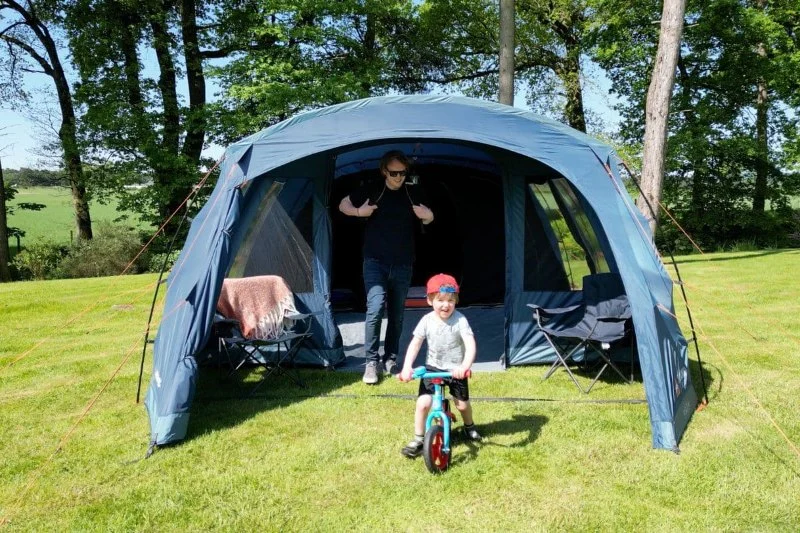
For a family of four, many campers choose a 6-person tent instead of a 4-person model. This allows children to have their own sleeping areas while parents still have enough room for bags and personal items.
Families should also consider the height of the tent. A tent that allows adults to stand or move comfortably can make a major difference, especially when helping children get dressed, organizing supplies, or waiting out bad weather.
2.2 Tent Size for Friends Camping Together
Group camping with friends often involves different expectations. Some campers prefer having a shared sleeping area, while others value personal space.
A large cabin-style tent can work well for groups who want a comfortable social environment. These tents often provide higher ceilings, multiple windows, and more living space compared with traditional backpacking tents.
However, friends should discuss sleeping arrangements before purchasing or renting a tent. Four adults with large backpacks and winter sleeping bags may need significantly more space than four people traveling with lightweight equipment.
2.3 Couples and Small Group Camping Needs
Couples often choose smaller tents because they are easier to transport and set up. However, many experienced couples prefer a 3-person or 4-person tent instead of a 2-person model.
The extra room allows space for backpacks, shoes, jackets, and other essentials. It also creates a more comfortable environment during longer camping trips.
A small amount of additional space can transform a basic sleeping shelter into a cozy outdoor bedroom.
3. Considering Comfort, Storage, and Extra Camping Equipment
When people ask how to choose the right tent size for your group, they often think only about sleeping arrangements. However, camping equipment takes up more room than many beginners expect.
3.1 Accounting for Sleeping Bags and Sleeping Pads
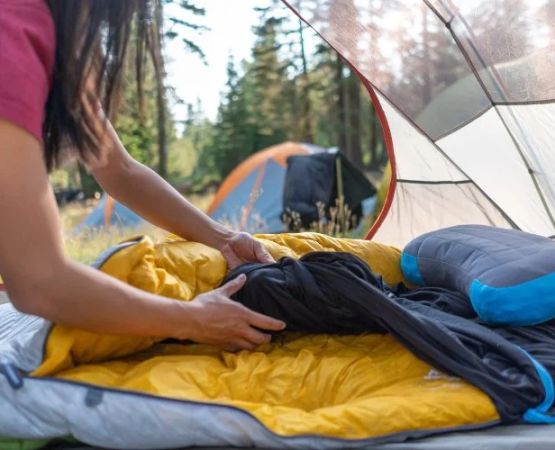
Sleeping bags and sleeping pads create a large footprint inside a tent. Two people using thick sleeping pads may require much more floor space than two people using lightweight backpacking equipment.
Before choosing a tent, consider the type of sleeping setup your group uses. Inflatable mattresses, double sleeping pads, and extra blankets can quickly reduce available space.
A comfortable tent should allow everyone to sleep without touching the tent walls. This is especially important in wet conditions because contact with the tent fabric can cause moisture problems inside.
3.2 Creating Space for Personal Belongings
Backpacks, shoes, cooking supplies, electronics, and outdoor clothing all need storage space. Leaving everything outside exposes equipment to rain, dirt, and wildlife.
A larger tent provides a safer area for organizing personal items. Many campers appreciate having a small corner for backpacks and another area for changing clothes.
For those who enjoy organized camping, choosing a tent with extra interior space can make the entire campsite easier to manage. Camping With Kayla provides helpful outdoor planning resources and recommendations for campers who want to create a more comfortable setup.
3.3 The Importance of Vestibules and Covered Storage Areas
A tent vestibule is an extension outside the main sleeping area that provides protected storage space. It is especially useful for keeping muddy shoes, wet jackets, and outdoor equipment outside the sleeping area.
A smaller tent with a large vestibule may sometimes provide better organization than a larger tent without storage features. When comparing options, look at the complete design rather than only the person rating.
4. Matching Tent Size With Weather and Seasonal Conditions
Weather plays a major role in determining the best tent size for your group. Different seasons create different comfort challenges, and the right amount of space can help your group handle changing conditions.
4.1 Camping During Rainy Weather
Rain is one of the biggest tests of any camping setup. When outdoor activities stop because of bad weather, your tent becomes your main living space.
A slightly larger tent gives your group room to stay comfortable during storms. You can organize games, read, prepare clothing, or simply relax without feeling crowded.
4.2 Cold Weather Camping Considerations
Cold-weather camping requires additional equipment such as warmer sleeping bags, insulated pads, and extra layers of clothing. These items take up more room inside a tent.
A tent that feels spacious during summer may become crowded during winter. If your group plans to camp across different seasons, selecting a larger tent can provide more flexibility.
4.3 Hot Weather and Ventilation Needs
During warm weather, ventilation becomes extremely important. Larger tents often include more windows, doors, and mesh panels that improve airflow.
A crowded tent with limited ventilation can quickly become uncomfortable during hot summer nights. Choosing the right size helps maintain airflow and improves sleep quality.