
Campground Etiquette for Quiet, Shared Outdoor Spaces
Share a campground considerately with practical etiquette for quiet hours, lights, boundaries, fires, generators, pets, facilities, conflict, and checkout.
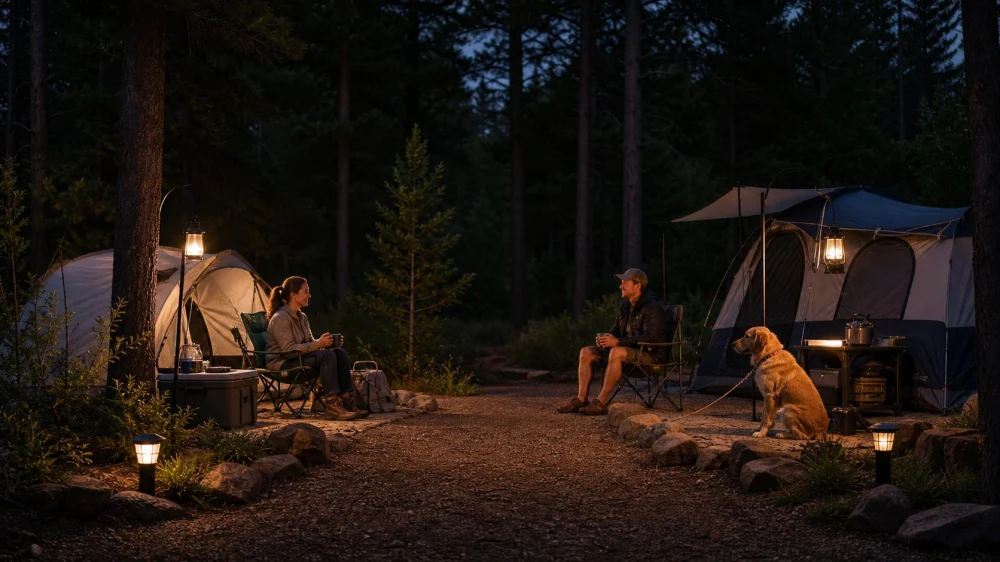
Campground Etiquette for Quiet, Shared Outdoor Spaces
On this page
- Quick answer
- Start with campground rules
- Manage sound and light
- Respect site boundaries
- Use fires and generators responsibly
- Manage pets around others
- Care for shared facilities
- Handle neighbour concerns calmly
- Leave the site ready for others
- Important limitations
- Frequently asked questions
- Evidence notes
- Conclusion and next steps
Quick answer
Good campground etiquette means following posted rules, keeping voices, music, lights, generators, pets, smoke, vehicles, and gear within your site’s reasonable footprint. Observe quiet hours, never walk through occupied sites, keep shared roads and facilities clear, store food correctly, and extinguish fires completely. When a problem occurs, use a calm direct request or ask the host or ranger for help.
Campground etiquette is the set of considerate behaviours that helps multiple groups share limited outdoor space without creating avoidable noise, light, safety, wildlife, or access problems.
Start with campground rules
Read the confirmation, entrance board, site post, and handout. Rules may cover quiet hours, generators, check-in, vehicles, tents, visitors, pets, food storage, fires, alcohol, smoking, hammocks, water, waste, and maximum occupancy. Current alerts can override what a booking page said.
Tell every person in the group the rules, not only the reservation holder. Children and visitors also affect noise, wildlife, parking, and site limits.
Manage sound and light
- Keep conversation, music, games, and vehicle doors at a level that remains within your site.
- Turn speakers off during quiet hours; low-frequency sound travels surprisingly far.
- Use headlamps on low or red mode when practical and aim lanterns downward.
- Avoid shining lights into neighbouring tents, vehicles, or the night sky.
- Prepare late-night gear before quiet hours to reduce rummaging and repeated car alarms.
- Silence device notifications and disable unnecessary vehicle chirps when possible.
Quiet hours are a minimum standard, not permission for disruptive noise at every other time. Daytime campers may include sleeping children, wildlife watchers, and people seeking a quiet experience.
Respect site boundaries
Use roads and official paths rather than cutting through another campsite, even when it is the shortest route to a restroom. Keep tents, guy lines, chairs, games, and vehicles inside the assigned area and out of vegetation, accessible routes, fire lanes, and neighbouring parking.
Do not move another group's equipment, borrow tables, occupy an empty-looking site, or use an electrical or water connection assigned elsewhere. Ask before retrieving a ball or toy that enters another site.
Use fires and generators responsibly
Check daily fire restrictions and use only permitted rings, grills, fuel, and devices. Consider wind and smoke direction; a legal fire can still make a neighbour's tent unusable. Keep the fire small, attended, and fully extinguished before sleep or departure.
Run generators only in allowed hours and locations. Do not place one where exhaust, heat, or sound enters another site, tent, or vehicle. Carbon monoxide can kill; follow manufacturer and campground placement instructions and never operate fuel-burning equipment in an enclosed sleeping space.
Manage pets around others
- Follow leash length and designated-area rules.
- Do not leave a pet unattended when prohibited or when it may bark, escape, overheat, or attract wildlife.
- Pick up waste promptly and dispose of it as directed.
- Prevent pets from entering other sites, food areas, water sources, and wildlife habitat.
- Ask before allowing any interaction with people or animals.
- Never misrepresent a pet as a service animal.
Not everyone wants contact with a friendly pet. Distance is also safer for wildlife and for animals with unknown behaviour.
Care for shared facilities
- Keep toilets, showers, sinks, taps, bear lockers, dish stations, and charging areas usable for the next person.
- Follow time limits and queue practices during busy periods.
- Do not wash dishes, food, pets, or gear where prohibited.
- Keep soap and wastewater out of lakes, streams, and natural drainage.
- Sort trash, recycling, ash, and human waste according to the site's system.
- Report damage, overflowing waste, contamination, or failed utilities to staff.
Handle neighbour concerns calmly
If it feels safe, make a brief specific request: “Could you aim that lantern away from our tent?” Avoid accusations and acknowledge that the person may not realise the impact. Do not escalate, threaten, or enter another site.
Contact the host, ranger, security, or emergency service for repeated violations, unsafe fires, violence, impaired driving, wildlife feeding, blocked access, or an immediate threat. Record the site number and observable facts rather than confronting a dangerous situation.
Leave the site ready for others
- Extinguish fire and dispose of ash only as directed.
- Pack all trash, food scraps, micro-litter, pet waste, and temporary markers.
- Remove lines, stakes, decorations, and gear without damaging vegetation.
- Return movable items only where the campground requests.
- Check the parking spur, fire ring, table, tent pad, and surrounding ground.
- Leave by checkout time and report any unresolved hazard.
Do not burn cans, glass, foil, plastic, food, or rubbish in a fire ring. “Biodegradable” scraps still attract animals and alter their behaviour.
Important limitations
This is general guidance; specific land-manager rules, laws, permits, fire orders, accessibility requirements, and emergency instructions control. Dispersed camping and backcountry sites may require different distances and waste practices.
Courtesy never requires tolerating danger or discrimination. Use official help for threats, harassment, inaccessible assigned facilities, unsafe fire, or unlawful conduct.
Frequently asked questions
Can I play music outside quiet hours?
Only if rules allow it and the volume does not unreasonably intrude on others. Headphones are the lowest-impact option.
May I walk through an empty campsite?
Use designated paths. A site may be occupied even when people are away, and crossing expands impact.
What if campfire smoke blows into another site?
Reduce or extinguish the fire when safe and permitted. Reassess wind and local rules; another person's health and tent ventilation matter.
Should I confront a noisy group?
Use a calm request only when safe. Contact the host or ranger for repeated, threatening, or serious violations.
Can food scraps go in the fire?
No. Store and dispose of them according to campground rules to avoid wildlife attraction and incomplete burning.
Evidence notes
The principles reflect common public-land rules: observe local quiet and generator hours, keep campsites and wildlife clean, follow fire restrictions, protect shared access, and leave the area as found. Exact hours and permitted activities vary, so the current campground posting and land manager remain authoritative.
Conclusion and next steps
Before your trip, use Camping With Kayla to compare destinations, then download the official campground rules and share them with the group. At arrival, identify boundaries, quiet hours, generator windows, food storage, and waste locations. The most considerate campsite often looks simple: contained gear, low light, little noise, clean facilities, and no trace after checkout.
More
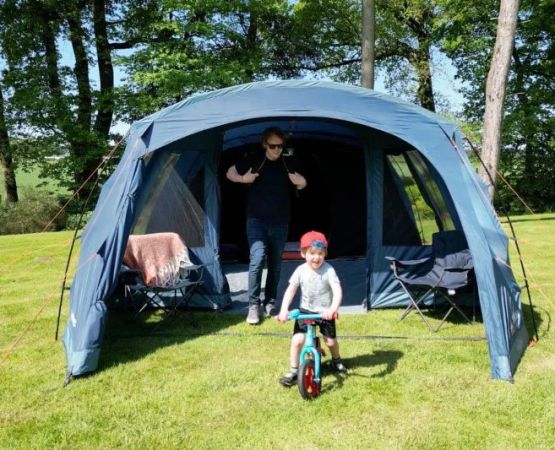
How to Choose the Right Tent Size for Your Group
Jul 15, 2026Learn how to choose the right tent size for your group with practical camping tips covering capacity, comfort, weather conditions, gear storage, and group camping needs.
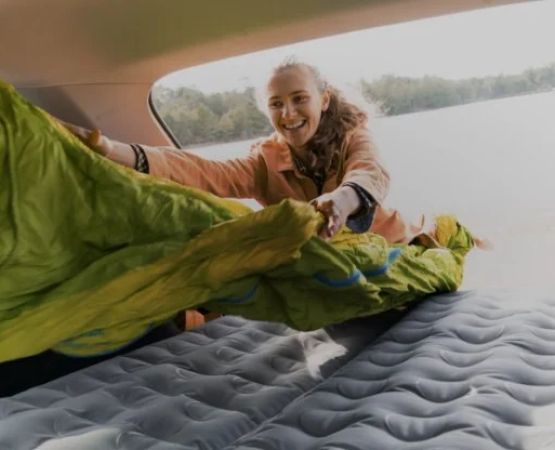
How to Camp Comfortably in a Small Car Without Feeling Cramped or Disorganized
Jul 05, 2026Learn how to camp comfortably in a small car without feeling cramped or disorganized, with smart space-saving tips, gear strategies, real camping stories, and practical setup advice.
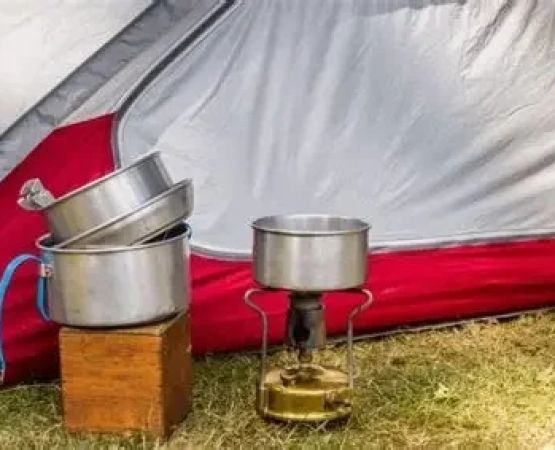
18 Camping Tips to Pack Light and Travel More Efficiently
Jul 02, 2026Discover 18 camping tips that help you pack light and travel more efficiently, with real camping stories, gear strategies, and practical outdoor packing advice.

25 Best Campgrounds in the US for Every Outdoor Experience
Jun 29, 2026Discover 25 Best Campgrounds in the US That Offer the Perfect Outdoor Experience for All Levels, from beginner-friendly sites to advanced wilderness escapes, with tips, stories, and planning advice for unforgettable camping trips.
How to Camp Comfortably Without Electricity: Practical Off-Grid Guide
Jun 27, 2026Learn how to camp comfortably without electricity using practical off-grid strategies, gear choices, and real camping experiences. Discover how Camping With Kayla helps you enjoy modern comfort in nature.
22 Camping Hacks That Will Change Your Outdoor Experience
Jun 24, 2026Discover 22 camping hacks that will completely change your outdoor experience with practical tips, real-life camping stories, and expert advice for comfort, safety, and efficiency.