
Campground Quiet Hours: Sound, Lights, and Late Arrivals
Follow campground quiet hours by checking rules, reducing sound and light, planning late arrivals, preparing children and pets, and reporting disturbances.
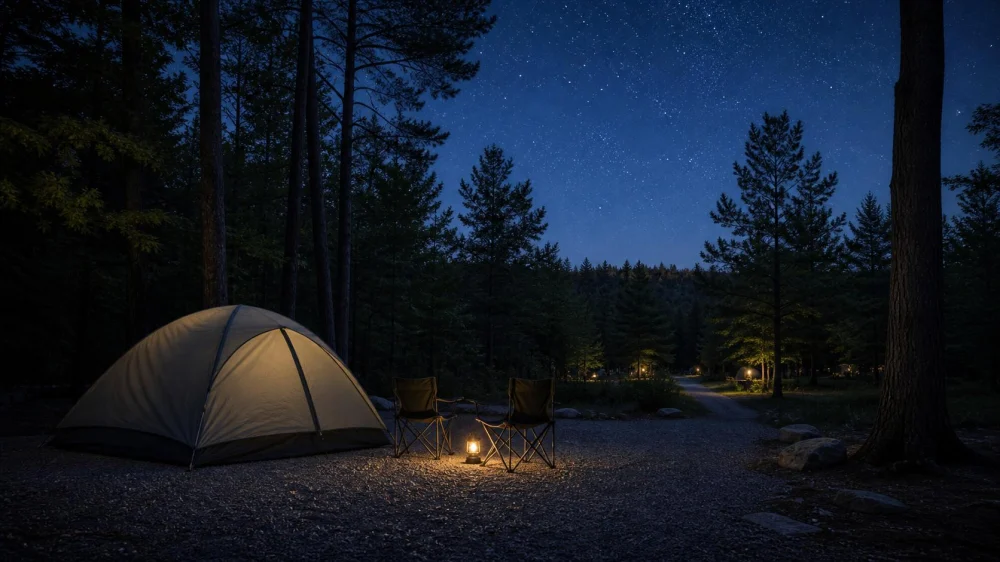
Campground Quiet Hours: Sound, Lights, and Late Arrivals
Table of contents
Quick answer: Check the campground's exact quiet hours and generator, vehicle, lighting, and pet rules before arrival. During that period, lower voices, silence speakers, limit doors and equipment noise, and aim lights downward. If arriving late, complete as much setup as possible beforehand, follow after-hours instructions, and postpone noisy or complicated tasks until morning.
Find the local rules
Quiet hours vary by campground, season, loop, and event. Read the reservation confirmation, entrance notice, map, and current park information. Ask whether generators, amplified audio, vehicle movement, check-in, food storage, or campfires have separate cutoffs. The absence of a posted time does not make disruptive noise acceptable.
Save the host, ranger, security, or after-hours contact before mobile service disappears. Note the campsite number and nearest landmark so you can report a problem clearly. If your group has a medical or accessibility need involving powered equipment, discuss it with campground staff in advance.
Reduce sound
Sound carries differently outdoors, especially across water, open ground, and quiet valleys. Speak softly, turn off music rather than merely lowering it, and use headphones at a level that still lets you hear hazards. Close vehicle doors gently and gather frequently used items before quiet hours begin.
- Prepare meals and wash dishes before the cutoff when possible.
- Avoid hammering stakes, splitting wood, or inflating mattresses late.
- Disable nonessential device alerts and vehicle confirmation sounds.
- Move group conversations away from neighbouring tents and paths.
Keep necessary communication clear. Quiet hours should not prevent anyone from calling for help, warning others of a hazard, or following emergency instructions.
Lower light impact
Use the least light needed for the task. Choose a low, warm setting, aim lanterns down, and avoid shining headlamps into tents, vehicles, roads, or other campsites. Step away from neighbours before checking a bright screen and reduce display brightness.
Do not cover or modify a hot lantern to dim it. Keep lighting stable, weather-appropriate, and away from flammable materials. Required safety lights, campground fixtures, and emergency lighting take priority over darkness preferences.
Plan a late arrival
Confirm whether the campground gate closes and how after-hours registration works. Download the map, know the site number, and pack the route essentials where they are easy to reach. Fuel the vehicle and use the toilet before entering the camping loop if appropriate.
Practise pitching the tent at home and bundle components in setup order. On arrival, use only approved roads and the minimum safe vehicle lighting. Park correctly, establish essential shelter and sleep gear quietly, and leave elaborate cooking, furniture, tarps, and organisation for daylight. Never sleep in an unsafe arrangement merely to avoid brief necessary setup.
Prepare children and pets
Explain quiet hours before the trip and create a simple bedtime routine. Pack familiar low-noise activities and locate shoes, torches, water, and toilet supplies early. Supervise children around dark roads, fires, water, and wildlife.
Follow leash and pet-area rules at all times. Provide exercise before quiet hours, keep food secured, and bring the pet indoors or closer if barking begins. Do not leave a distressed animal alone or use unfamiliar equipment without appropriate guidance.
Respond to a disturbance
Pause and assess from your own site. For an ordinary oversight, a calm, brief request may resolve the issue, but avoid confrontation when people appear aggressive, impaired, or unsafe. Use the campground's official contact and provide the time, location, and observable behaviour.
Do not retaliate with noise or bright lights. For threats, violence, fire, dangerous driving, a missing person, or another emergency, move to safety and contact emergency services or park authorities as conditions allow.
Limitations and safety
A campground cannot be silent: wildlife, weather, safety work, babies, medical needs, and emergency vehicles create unavoidable sound. Respectful quiet means reducing controllable impact while remaining alert. Never disable essential alarms, abandon safe food storage, walk unlit on a roadway, or ignore an evacuation order to preserve quiet.
Frequently asked questions
Can I run a generator during quiet hours?
Only if the campground rules explicitly allow it or staff approve a necessary exception. Generator hours are often stricter than general quiet hours.
Are campfires allowed after quiet hours begin?
Fire and quiet rules are separate. A fire may be allowed while loud gatherings are not. Follow current restrictions and never leave it unattended.
What if I must leave very early?
Pack most gear the night before, keep keys and essentials ready, minimise doors and lights, and follow vehicle access rules. Tell staff in advance if a gate is involved.
Next steps
- Save the exact quiet, generator, gate, and contact rules.
- Finish noisy chores and gather essentials before the cutoff.
- Use low voices, no speakers, and downward lighting.
- Prepare a minimal late-arrival or early-departure routine.
- Report serious disturbances through official channels.
More
How to Choose the Right Tent Size for Your Group
Jul 15, 2026Learn how to choose the right tent size for your group with practical camping tips covering capacity, comfort, weather conditions, gear storage, and group camping needs.
How to Camp Comfortably in a Small Car Without Feeling Cramped or Disorganized
Jul 05, 2026Learn how to camp comfortably in a small car without feeling cramped or disorganized, with smart space-saving tips, gear strategies, real camping stories, and practical setup advice.
18 Camping Tips to Pack Light and Travel More Efficiently
Jul 02, 2026Discover 18 camping tips that help you pack light and travel more efficiently, with real camping stories, gear strategies, and practical outdoor packing advice.

25 Best Campgrounds in the US for Every Outdoor Experience
Jun 29, 2026Discover 25 Best Campgrounds in the US That Offer the Perfect Outdoor Experience for All Levels, from beginner-friendly sites to advanced wilderness escapes, with tips, stories, and planning advice for unforgettable camping trips.
How to Camp Comfortably Without Electricity: Practical Off-Grid Guide
Jun 27, 2026Learn how to camp comfortably without electricity using practical off-grid strategies, gear choices, and real camping experiences. Discover how Camping With Kayla helps you enjoy modern comfort in nature.
22 Camping Hacks That Will Change Your Outdoor Experience
Jun 24, 2026Discover 22 camping hacks that will completely change your outdoor experience with practical tips, real-life camping stories, and expert advice for comfort, safety, and efficiency.