
Camping Carbon Monoxide: Keep Fuel-Burning Gear Outside
Prevent camping carbon monoxide by keeping every fuel-burning device outdoors, protecting sleeping areas, placing generators safely, using alarms, and evacuating fast.
Camping Carbon Monoxide: Keep Fuel-Burning Gear Outside
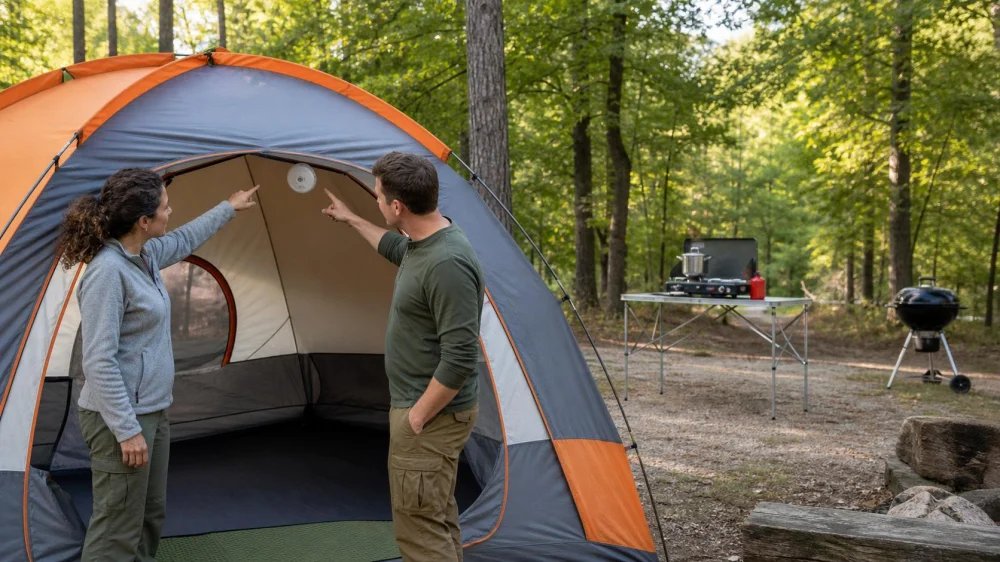
Carbon monoxide is colourless, odourless, and capable of causing sudden illness or death. Tents, campers, vehicles, screen rooms, enclosed shelters, and partially open spaces can trap exhaust from stoves, heaters, lanterns, charcoal, and engines. Keep fuel-burning equipment outdoors in the location and clearance required by its manufacturer, never use it to warm a sleeping area, and move everyone to fresh air at the first symptom or alarm.
Quick answer
Never burn charcoal or operate a portable gas camp stove, fuel lantern, unvented heater, generator, or engine inside a tent, camper, vehicle, garage, canopy with walls, or other enclosed or partly enclosed shelter. Opening a flap, window, or door does not make it safe. Use cooking and power equipment only outdoors as directed, away from openings and people, and extinguish it fully before sleep.
Recognise CO sources
Anything that burns petrol, propane, butane, kerosene, diesel, wood, or charcoal can produce carbon monoxide. Flames can look normal, and charcoal can give off CO whether it appears red, grey, black, or white. Odour is not a warning.
Vehicles, generators, pressure washers, boat engines, camp stoves, grills, fire pits, and some heaters can expose nearby tents and trailers when exhaust drifts. Map every combustion source before choosing sleeping and gathering areas.
Define truly outside
“Outside” means open air with the manufacturer’s required clearance, not a vestibule, tent doorway, screen house, awning enclosed on several sides, vehicle hatch, cave, snow shelter, or picnic structure with poor airflow. Wind can carry exhaust toward openings.
Keep devices stable, attended, and away from dry vegetation, fabric, children, pets, and traffic. Follow fire restrictions and campground rules. Never move a burning appliance indoors because of rain or cold.
Protect sleeping areas
Do not heat a tent or camper with a cooking stove, charcoal, lantern, or unapproved heater. People who are sleeping may not notice symptoms and can die before waking. Warm the person with dry layers, insulated bedding, safe shelter, and an evacuation plan.
Extinguish fires and fuel appliances according to instructions, close fuel valves, cool equipment outdoors, and store fuel safely before bed. Do not bring warm coals into a shelter.
Place generators safely
Operate portable generators outdoors and follow the manufacturer’s placement instructions. CDC guidance for homes says more than 20 feet from windows, doors, and vents with exhaust directed away; at camp, also protect neighbouring tents, RV intakes, cabins, and gathering spaces.
Never run a generator in a tent, vehicle, camper compartment, enclosed trailer, garage, or under an attached awning. Keep it dry using only an approved open protective arrangement, and use outdoor-rated cords without creating trip or shock hazards.
Use alarms as backup
Install and maintain CO alarms in campers, cabins, and other applicable shelters according to product and vehicle guidance. Test before the trip, replace batteries and units on schedule, and recognise the alarm pattern. A battery-powered alarm can add protection during a power loss.
An alarm does not make indoor combustion safe. Do not ignore, silence, cover, remove, or reset an alarm while people remain inside. Treat activation as a reason to evacuate and seek help.
Recognise symptoms
Common CO poisoning symptoms include headache, dizziness, weakness, upset stomach, vomiting, chest pain, and confusion. Several people feeling “flu-like” illness at the same time, symptoms improving outdoors, or an affected pet are critical clues.
Infants, older adults, pregnant people, and people with heart, breathing, or blood conditions may be at greater risk, but anyone can be poisoned. Alcohol or sedating substances can hide warning signs.
Respond immediately
Move everyone into fresh air immediately without spending time locating the source. Call 911 or local emergency services and report suspected carbon monoxide. Do not re-enter for gear or pets if doing so risks exposure; tell responders who or what remains inside.
Follow dispatcher instructions and seek medical evaluation. Do not drive yourself when dizzy, confused, weak, or impaired. Keep others away until firefighters or qualified authorities say the area is safe.
Plan for bad weather
Check temperature, wind, precipitation, fire restrictions, and shelter options before departure. Carry adequate insulation and food that does not require cooking when weather prevents safe stove use. Identify a heated public building, vehicle exit, or lodging backup.
If the only way to stay warm requires combustion inside the shelter, leave. A changed itinerary is safer than improvising with fuel-burning gear.
Frequently asked questions
Is a tent safe with the door open?
No. Do not use fuel-burning gear inside a tent, even with ventilation.
Can charcoal come inside after flames are gone?
No. Charcoal continues producing CO and belongs outdoors until fully extinguished and cold.
Does a CO alarm permit indoor stove use?
No. It is backup protection, not permission for unsafe combustion.
What if several campers have headaches?
Move everyone to fresh air and call emergency services for suspected CO exposure.
Next steps
Inventory every fuel-burning item, plan outdoor locations and clearances, test applicable alarms, pack non-combustion warmth and food backups, and teach the group symptoms and evacuation. At any alarm or suspicious illness, get outside and call for help.
At group check-in, assign one adult to verify shutdown before sleep and another to confirm that neighbouring exhaust sources have not appeared after dark. Recheck when wind changes, vehicles move, or another camper starts an engine; campsite conditions are not fixed.
See CDC carbon monoxide poisoning guidance.
More
How to Choose the Right Tent Size for Your Group
Jul 15, 2026Learn how to choose the right tent size for your group with practical camping tips covering capacity, comfort, weather conditions, gear storage, and group camping needs.
How to Camp Comfortably in a Small Car Without Feeling Cramped or Disorganized
Jul 05, 2026Learn how to camp comfortably in a small car without feeling cramped or disorganized, with smart space-saving tips, gear strategies, real camping stories, and practical setup advice.
18 Camping Tips to Pack Light and Travel More Efficiently
Jul 02, 2026Discover 18 camping tips that help you pack light and travel more efficiently, with real camping stories, gear strategies, and practical outdoor packing advice.

25 Best Campgrounds in the US for Every Outdoor Experience
Jun 29, 2026Discover 25 Best Campgrounds in the US That Offer the Perfect Outdoor Experience for All Levels, from beginner-friendly sites to advanced wilderness escapes, with tips, stories, and planning advice for unforgettable camping trips.
How to Camp Comfortably Without Electricity: Practical Off-Grid Guide
Jun 27, 2026Learn how to camp comfortably without electricity using practical off-grid strategies, gear choices, and real camping experiences. Discover how Camping With Kayla helps you enjoy modern comfort in nature.
22 Camping Hacks That Will Change Your Outdoor Experience
Jun 24, 2026Discover 22 camping hacks that will completely change your outdoor experience with practical tips, real-life camping stories, and expert advice for comfort, safety, and efficiency.