
Camping Chair Guide: Fit, Ground, Support, and Packability
Choose a camping chair by seat fit, support, capacity, ground stability, packed size, frame inspection, safe setup, storage, and trip style.
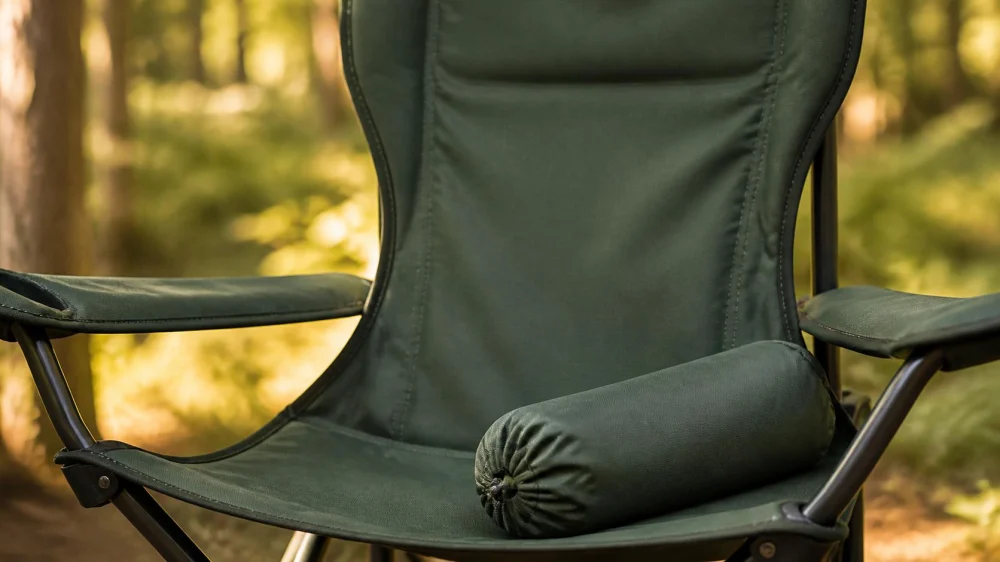
Camping Chair Guide: Fit, Ground, Support, and Packability
On this page
Quick answer
Choose a camping chair by balancing body fit, rated capacity, ground conditions, packed size, and how easily you can stand from it. Test the seat height, back support, armrests, and stability before a trip. At camp, place every foot on firm level ground, lock the frame fully, and keep the chair away from fires and traffic.
This guide is for campers in the United States choosing portable seating for campgrounds, car camping, day use, or short carry-ins. Backpacking, medical support, and specialised adaptive seating may require different priorities.
Choose a chair for the way you camp
A camping chair is portable outdoor seating designed to fold, collapse, or break into frame and fabric components. The best type is the one that fits the trip. A large padded chair may be comfortable beside a vehicle but awkward to carry a kilometre. An ultralight chair packs small but may sit low and require careful assembly.
For car camping, packed weight matters less than comfort, durability, and storage shape. Measure the boot or cargo area rather than assuming a long carry bag will fit. For a walk-in site, consider total carried distance, whether the chair straps to a pack, and whether you need both hands free for other gear.
Low chairs work well where venues restrict seat height or where a compact profile is useful. They are not ideal for everyone because standing requires more leg and core effort. Rocking or suspended designs can feel relaxing on hard ground but often need extra clearance and may behave unpredictably on slopes or soft soil.
Extra features add weight and failure points. A cup holder, side pocket, shade canopy, footrest, or built-in cooler is useful only if you will use it. Start with frame stability and fit before comparing accessories.
Check seat fit and support
Sit in the chair with the clothing you would wear at camp. Your feet should rest securely, and the seat edge should not press sharply behind the knees. Check whether the fabric pulls your shoulders forward or lets your hips sink too deeply. A narrow chair can restrict movement; a very wide chair may place armrests too far apart for comfortable support.
Seat height affects entry and exit. A higher, firmer seat is often easier for a person with limited knee or hip movement. A low sling seat is compact but can make standing difficult. Use armrests only as the manufacturer intends; soft fabric arms may not support a full push-off.
Compare the user's body weight with the manufacturer-rated capacity and follow any limits for dynamic movement. Capacity is not a comfort rating, and a higher number does not guarantee a wider or taller seat. Check seat dimensions, frame geometry, and stated instructions separately.
Back height and angle should match the activity. An upright back can work for eating and games. A reclined high back may suit reading but can move the centre of mass behind the feet. Headrests and lumbar pads should support rather than force the neck or lower back into an uncomfortable position.
Match the feet to the ground
Narrow chair feet can sink into sand, mud, soft turf, or loose forest floor. Broad feet or purpose-made foot pads spread the load. Never improvise with unstable rocks, firewood, cookware, or stacked objects. If a foot begins to sink, stand up, move the chair, and reassess the surface.
On hard ground, verify that every foot makes full contact. A chair that rocks may be partly folded, damaged, or standing across a depression. Avoid sloped ground because the chair can tip or slide when the user shifts weight. Face the seat so getting up does not direct the user downhill.
Keep the chair out of campground roads, parking manoeuvre areas, tent guylines, cooking zones, and paths to toilets or water. At night, a chair can become a trip hazard. Fold it, move it into a defined seating area, or use modest campsite lighting that does not disturb neighbours.
Inspect and set up safely
- Read the instructions. Learn how the frame opens, locks, and attaches to fabric.
- Inspect connection points. Look for bent tubes, cracked hubs, loose fasteners, torn seams, frayed straps, and missing feet.
- Open the frame completely. Do not sit on a partially deployed chair.
- Seat fabric correctly. Confirm pockets and sleeves fully capture the intended frame ends.
- Test without dropping. Apply weight gradually while holding stable support if appropriate.
- Keep clear of heat. Sparks and radiant heat can damage fabric, coatings, and plastic parts.
- Recheck after moving. A folded leg or loosened connector can change during transport around camp.
Children should use chairs suited to their size and be supervised. Do not let anyone stand, jump, rock beyond the design, or sit on an armrest. Pets tied to a chair can pull it over; secure leashes through an appropriate independent anchor instead.
Buying and packing checklist
- Intended use: car camp, walk-in, event, beach, or backpacking
- Published weight capacity and manufacturer instructions
- Seat width, depth, height, and back angle
- Ease of sitting down and standing up
- Foot shape for expected soil, sand, or hard surface
- Packed length, volume, weight, and carry method
- Frame locks, hubs, fabric attachment, and replaceable parts
- Drying needs and storage bag ventilation
- Useful accessories without unnecessary bulk
Limitations and important notes
Outdoor conditions change. Rain can soften soil and make fabric slippery; wind can move an empty lightweight chair; heat and sparks can weaken material. A chair that felt stable at home must still be assessed at the campsite.
This article provides general equipment guidance, not medical or mobility advice. People who require reliable transfer support, pressure management, or adaptive positioning should seek appropriate professional and product-specific advice. Follow campground rules and the chair manufacturer's instructions over generic guidance.
Frequently asked questions
Are low camping chairs more stable?
A lower centre of mass can help, but foot placement, frame condition, ground, and user movement still determine stability. Low seating can also be harder to exit.
Can I put a camping chair inside a tent?
Only if the tent manufacturer permits it and the floor is protected from concentrated feet. Chair legs can puncture fabric, and the chair may reduce safe exit space.
How do I stop chair feet sinking into sand?
Choose a design with broad feet or compatible purpose-made ground pads. Move to firmer ground if the chair continues to settle unevenly.
Should I leave a chair outside overnight?
Usually it is better to fold and store it dry or under suitable shelter. Dew, rain, wind, animals, and vehicle movement can damage or displace it.
Evidence note
The recommendations follow common outdoor-equipment practice: use manufacturer ratings, inspect structural parts, match contact points to terrain, and avoid heat and traffic hazards. Product designs differ, so the current manual and labelled limits are the primary evidence for a specific chair.
Next steps
Write down your trip style, carry distance, ground type, and preferred seat height. Test two or three chairs while wearing outdoor clothing, then measure the packed option against your vehicle or pack. Before departure, practise setup once, inspect the frame, and store the instructions with your gear list.
More
How to Choose the Right Tent Size for Your Group
Jul 15, 2026Learn how to choose the right tent size for your group with practical camping tips covering capacity, comfort, weather conditions, gear storage, and group camping needs.
How to Camp Comfortably in a Small Car Without Feeling Cramped or Disorganized
Jul 05, 2026Learn how to camp comfortably in a small car without feeling cramped or disorganized, with smart space-saving tips, gear strategies, real camping stories, and practical setup advice.
18 Camping Tips to Pack Light and Travel More Efficiently
Jul 02, 2026Discover 18 camping tips that help you pack light and travel more efficiently, with real camping stories, gear strategies, and practical outdoor packing advice.

25 Best Campgrounds in the US for Every Outdoor Experience
Jun 29, 2026Discover 25 Best Campgrounds in the US That Offer the Perfect Outdoor Experience for All Levels, from beginner-friendly sites to advanced wilderness escapes, with tips, stories, and planning advice for unforgettable camping trips.
How to Camp Comfortably Without Electricity: Practical Off-Grid Guide
Jun 27, 2026Learn how to camp comfortably without electricity using practical off-grid strategies, gear choices, and real camping experiences. Discover how Camping With Kayla helps you enjoy modern comfort in nature.
22 Camping Hacks That Will Change Your Outdoor Experience
Jun 24, 2026Discover 22 camping hacks that will completely change your outdoor experience with practical tips, real-life camping stories, and expert advice for comfort, safety, and efficiency.